-
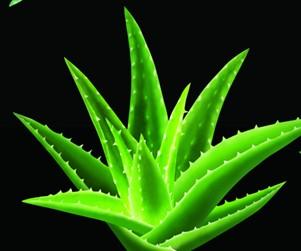
What plants are suitable for growing indoors?
1. Aloe vera. Aloe vera not only beautifies the skin but also absorbs harmful gases and purifies the air. 2. Black Beauty. Black Beauty can absorb exhaust gases and convert them into oxygen, making it very suitable for growing indoors. 3. Silver Queen. Silver Queen can absorb dust and some harmful gases from the air and purify the air.
-
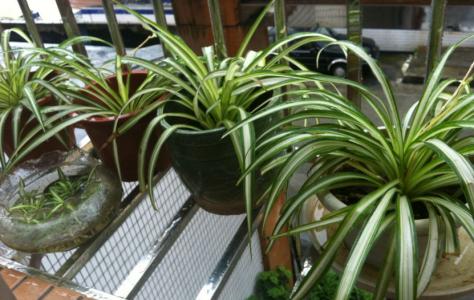
What shade-loving plants are suitable for growing indoors
1. Spider plant: Spider plant is a very common shade-loving indoor plant with ornamental value. 2. Chinese evergreen: Chinese evergreen likes water and is suitable for hydroponics; it stays green all year round and is very suitable for growing indoors. 3. Maranta: Maranta is a plant that loves shade and water and does not particularly like sunlight, but it is also very suitable for growing indoors
-
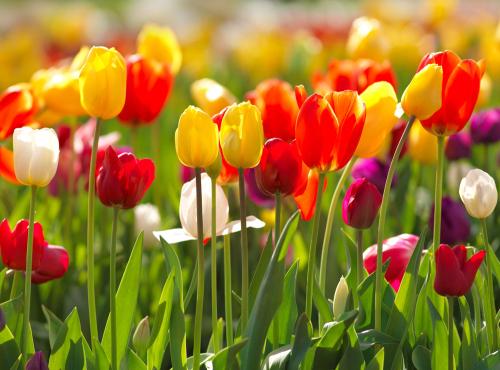
Which plants are unsuitable for growing indoors?
1. Plants that easily cause allergies. Plants of this type include poinsettia, scarlet sage, Syringa vulgaris, Lantana camara, and redbud, etc. Touching them can cause allergic skin reactions. 2. Toxic plants. Plants of this type include mimosa, yellow and white azaleas, corn poppy, and Rohdea japonica, etc.
-

School Lunch Forum Calls for Reasonable Price Increase and Stronger Campus Screening Capacity
School Lunch Forum Calls for Reasonable Price Increase and Stronger Campus Screening Capacity
-

Is the Boston fern suitable for growing indoors?
As mentioned above, the Boston fern is not only non-toxic but also able to purify the air, so it is very suitable for growing indoors, helping people absorb harmful gases and playing a role in ensuring air quality and human health. Therefore, the Boston fern is especially suitable for placing in a newly renovated home. In addition
-
What plants are suitable for growing indoors? A detailed introduction for you
1. Dragon tree: When it comes to inhibiting harmful substances, few other plants can compare with the dragon tree; its leaves and roots can effectively absorb xylene, toluene, trichloroethylene, benzene and formaldehyde, and break them down into non-toxic substances. 2. Pothos: Vine plants of the pothos type can effectively absorb chemical substances in the air
-
Recommendations for Several Plants Suitable for Indoor Growing
1. Asparagus fern: The plant fragrance contained in asparagus fern has antibacterial components that can remove bacteria and viruses from the air and has health benefits, so the scent released by asparagus fern has the power to kill bacteria and benefit beneficial bacteria. 2. Lucky bamboo: Lucky bamboo can help improve air quality in rooms that are not often ventilated and has a disinfecting function
-
Dieffenbachia is not suitable for households with babies
Although in daily life Dieffenbachia is beneficial to the human body and can also effectively purify the air, it is still best not to keep Dieffenbachia when there are small children at home, because the sap in its leaves and stems is toxic, containing oxalic acid and asparagine
-
Is Calathea makoyana suitable for indoor care?
Actually, when it comes to plants in the home, everyone wants to know whether the plant is toxic. Calathea makoyana (peacock plant) is a plant that many people love, and it is non-toxic, so you can care for it at home with peace of mind. In fact, Calathea makoyana is very good at purifying the air. Although it cannot compare with spider plant, it is much better than many other plants.
-
Yellowing leaves on the Swiss cheese plant are caused by unsuitable soil
Cause: The Swiss cheese plant (Monstera deliciosa) has a well-developed fleshy root system and has high requirements for soil aeration. Neither sticky nor slightly sticky soil is good for its growth. If the soil is not changed for a long time or the soil itself has poor aeration, the soil will become compacted, affecting the respiration of the Swiss cheese plant's roots, causing poor growth and yellowing leaves
条件筛选