-

What are the precautions for fertilizing mushrooms? Understanding the key points in one article
Precautions for fertilizing mushrooms
-
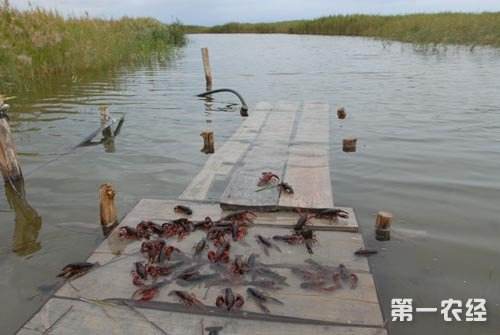
How shrimp farmers can move beyond the misunderstanding of dissolved oxygen management in shrimp ponds
How can shrimp farmers move beyond the misunderstanding of dissolved oxygen management in shrimp ponds?
-
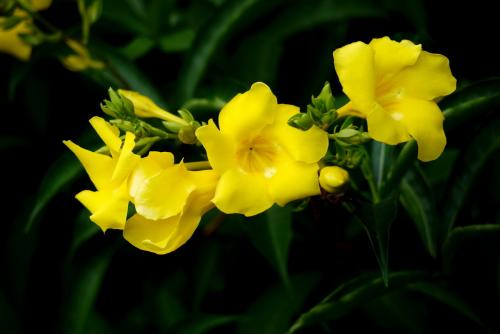
How to Propagate Yellow Oleander? Understanding Propagation Methods in One Article
The first method - sowing. First, collect the seeds of yellow oleander, but the seeds of yellow oleander do not store well, so it is best to sow them right after collecting. The second method - layering. Choose a branch close to the ground, then cut the branch and press it into the soil.
-

Is snapdragon poisonous? Understanding its medicinal benefits and the risk of death from accidental ingestion
Snapdragon - hearing this name, many people might think it is a grass fed to goldfish, but it is actually just a plant that looks like a goldfish. Besides being attractive, the benefits and effects of snapdragon are astonishing: it can not only be pressed to produce nutrient-rich oil, but also has very good therapeutic effects on bruises and sprains. Even so, some people say snapdragon is poisonous
-

Several common misunderstandings in rabbit farming that rabbit farmers must avoid
Several major misunderstandings in rabbit farming
-

What are the common symptoms of chicken diseases? Understanding the key identification points in one article
Some common symptoms of chicken diseases
-

What kind of bacterium is Streptococcus suis? Understanding the characteristics of this pathogen
Streptococcus suis belongs to the genus Streptococcus. The cells are round or oval, less than 2.0 mm in diameter, generally arranged in chains or in pairs, and stain Gram-positive. The colonies are small, grayish-white and translucent. Most pathogenic strains are capable of hemolysis. Streptococcus suis has 35 serotypes (1-34, 1/2) as well as some untypeable strains. Among them, the four serotypes 1, 2, 7 and 9 are highly pathogenic. Muramidase-released protein (MRP) and extracellular factor (EF) are
-
How to control broad mites in greenhouses and sheds? Understanding the occurrence pattern is key
In greenhouse fruit and vegetable production, curled and shrunken growing points of plants, deformed and cracked fruits are often seen, causing serious losses to production. Because the temperature and humidity inside the greenhouse are very suitable for the growth and reproduction of broad mites, and fruit vegetables are their main targets, and the mites are extremely small and invisible to people, timely control is impossible. Therefore, in recent years, the area of occurrence and damage has been growing larger and larger, which should attract great attention from producers. Broad mites belong to the class Arachnida, order Acariformes, family Tarsonemidae, and are harmful microscopic pests. They mainly damage cucumbers, eggplants, and tomatoes among greenhouse vegetables.
-

What are the propagation methods for sweet wormwood? Understanding sweet wormwood seedling cultivation in one article
Propagation methods for sweet wormwood
-
How to control onion maggots? Understanding the occurrence characteristics is key
I. Damage symptoms Onion maggot larvae bore into and feed on garlic bulbs, causing the bulbs to rot, and the above-ground leaves to turn yellow, wilt, and even die. Pulling out affected plants reveals maggot pupae; the damaged garlic skin shows yellowish-brown rot, the garlic heads are bored into holes by the larvae and become incomplete, with the cloves exposed and split open, accompanied by a foul odor. Affected plants are easily pulled out and break off. II. Occurrence characteristics Onion maggots can cause damage before winter, pupate and overwinter after winter sets in, and begin to emerge as adults from the pupae in March of the following year. Adults lay eggs around the garlic roots
条件筛选