-

How to Grow Osmanthus Trees: Key Points on Propagation, Transplanting, Water and Fertilizer Care
A complete guide to osmanthus tree planting techniques: covering site selection and propagation, cutting and grafting propagation, transplanting and planting out, water and fertilizer management, and pruning and disease prevention, to help growers cultivate osmanthus trees scientifically and improve survival rates and flowering quality.
-
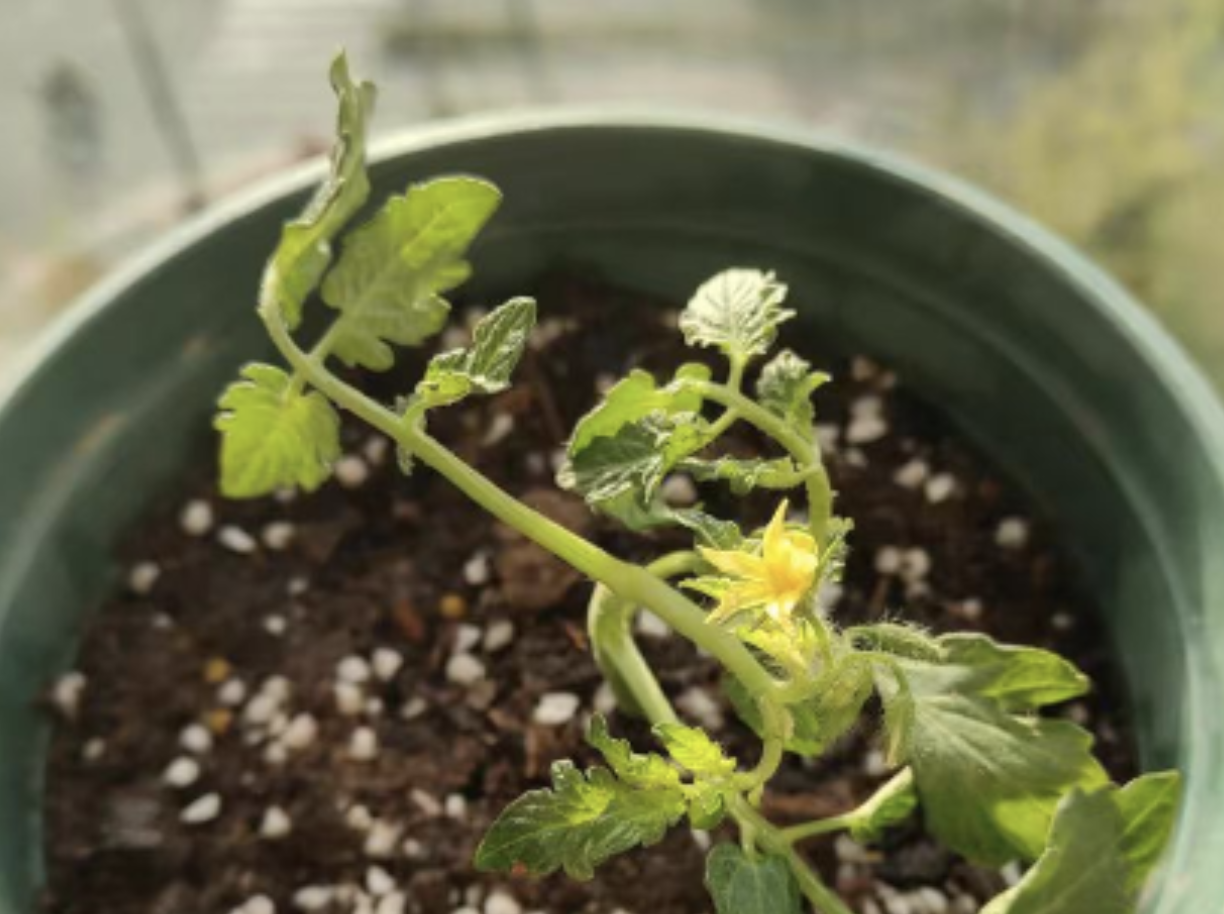
How to choose a flower pot for tomato transplanting?
Tomatoes are sweet and tangy, and can be eaten as fruit or made into delicious dishes. Many people love to grow a few pots of tomatoes on their balconies or in
-
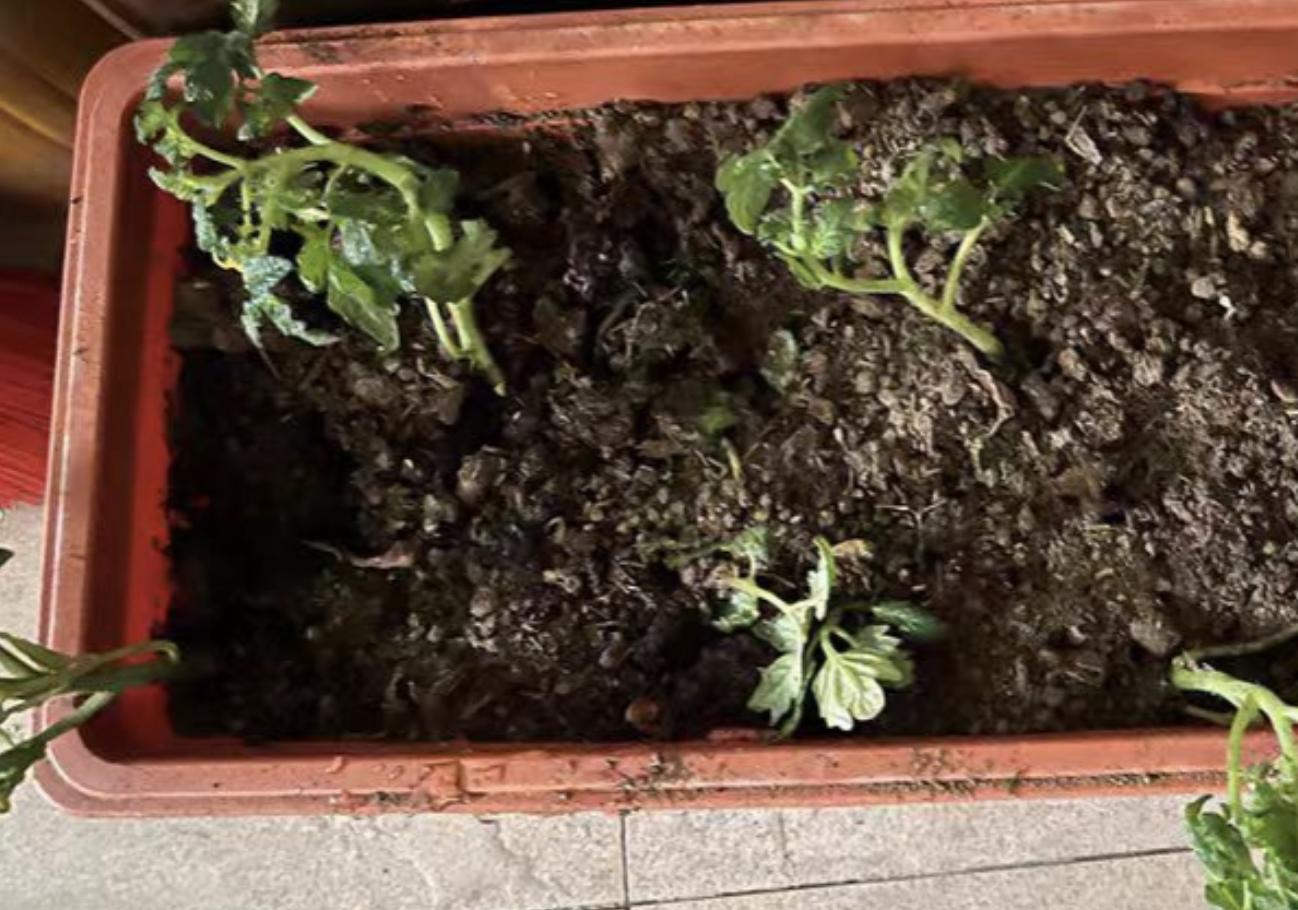
How many days after transplanting tomatoes is it appropriate to water with settling water?
Tomato growers may have experienced this: after transplanting tomato seedlings into the ground, they’re constantly thinking about when to water — when is the
-
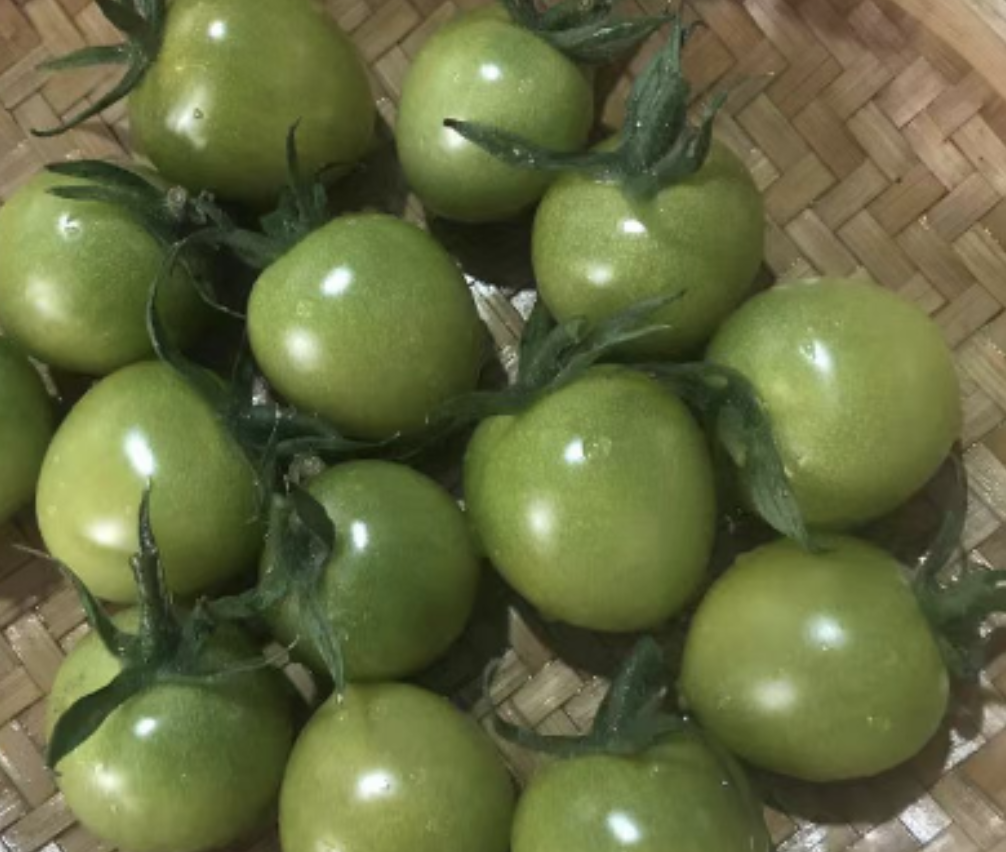
Simplest Method and Steps for Tomato Transplanting
Want to grow tomatoes that are full of fruit? Let’s go through the steps together. 1. Best Time for Transplanting Self-grown seedlings: When your tomato
-

Why do tomato seedlings wilt and develop root rot after transplanting, and can they still survive?
Did your freshly transplanted tomato seedlings suddenly wilt, develop root rot, or even die? Don't panic! It is most likely that these 3 issues were overlooked. Below, we'll help you quickly identify the cause and save the seedlings to protect your harvest. Cause 1: Planting too deep + watering too much, leaving roots suffocated, rotten and deprived of oxygen. Beginners often make the "deep planting, waterlogged roots" mistake: when planting, the soil is mounded too deep (the stem is buried more than 5cm), and watering
-
Reasons Why Watermelon Seedlings Wilt After Transplanting and How to Fix It
You worked hard to grow your watermelon seedlings, and right after transplanting they droop and look listless, with curled leaves. Don't worry - this is actually a very common "stress response" after transplanting, mostly caused by slight damage to the roots or the sudden change of environment. Today I'll share all the proven remedies and follow-up care methods with everyone.
-
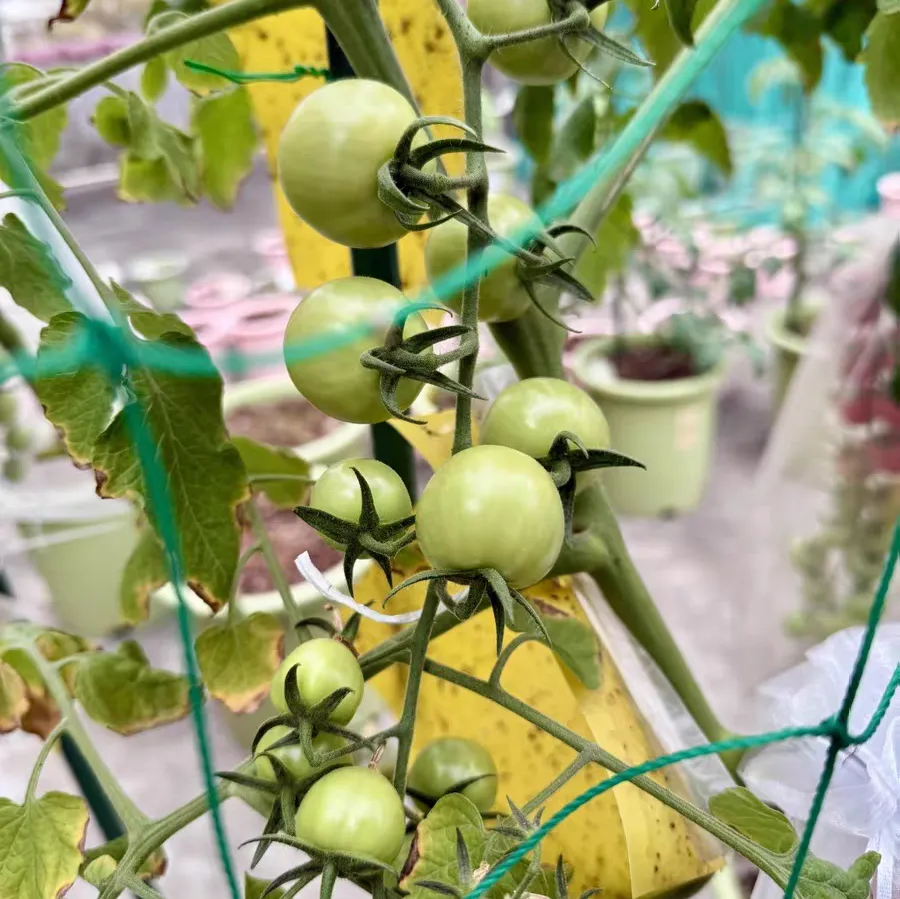
The Optimal Time for Tomato Transplanting
Want to grow tomatoes laden with fruits? Here’s a detailed guide for you. ### I. Transplanting Timing - **Home-grown seedlings**: The optimal transplanting
-

Which month gives the highest survival rate for transplanting Phalaenopsis orchids, and will transplanting too early kill them?
You just bought a Phalaenopsis orchid and before it even warmed up, your hand slipped and you repotted it, and now you stare at the pot every day praying it won't die! Plenty of beginner growers have done this impulsive thing. Will transplanting a Phalaenopsis too early really make it "die young," and when should you repot to be sure of success? Transplanting too early really can be fatal! Imagine you
-
The best time and simple step-by-step method for transplanting tomatoes explained in detail
Want to grow tomatoes loaded with fruit? Let's go over it properly. 1. Transplanting time for self-grown seedlings: when tomato seedlings grow 5-6 true leaves and have a strong root system, the best transplanting period has arrived. Mail-order seedlings: right after opening the package, don't rush to touch the soil. First mist the leaves and root ball with water to keep them moist, spraying until thoroughly soaked, and place them in a bright spot with indirect light.
-

How to Separate Phalaenopsis Keikis and the Right Size for Transplanting
When growing Phalaenopsis orchids, spotting a keiki on the plant means you have a chance to propagate a new plant. However, mastering the correct methods of separating and transplanting the keiki is crucial, as it determines whether the new plant can grow healthily. When the keiki of a Phalaenopsis reaches 2 - 3 cm in height and has at least one mature leaf
条件筛选