-

Why do old Phalaenopsis (moth orchid) plants need repotting, and can they survive without it?
Anyone who grows Phalaenopsis knows that after a year or two the plant becomes an old specimen: the leaves are no longer so perky and it blooms less. At this point some people say "it's time to repot," while others think "leave it alone, what if moving it kills it?" So why do old plants really need repotting? Can they truly not survive without it? Why do old plants have to move house? The
-
How to care for potted strawberries in winter so they survive the cold safely
If you want your potted strawberries to thrive and bear plenty of fruit in winter, just focus on these key points, and even beginners can handle it easily. Temperature: strawberries are sensitive to cold and to extreme temperature swings. Below 5°C, the roots are prone to frost damage, and the leaves will wilt and turn purple. In the north, keep them in a heated room; in the south, keep them out of direct cold drafts, and at night you can cover them with a plastic bag to keep them warm (leave ventilation holes).
-
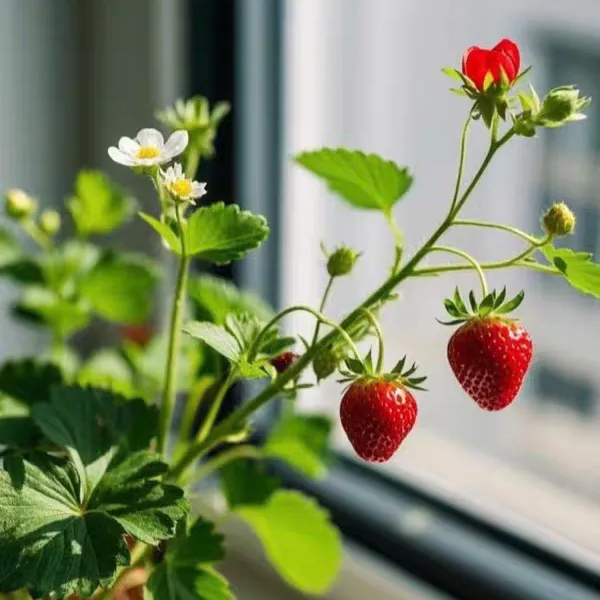
How to care for potted strawberries in winter to ensure they survive the winter safely?
To keep potted strawberries thriving and producing plenty of fruits in winter, just master these key points—even beginners can handle it easily.
-

Why do old Phalaenopsis orchids need repotting to survive?
Those of you who grow Phalaenopsis orchids have surely run into this question: your old plant at home has been growing for a year or two, looks fine on the whole, so does it still need repotting? Is it really true that it won't survive without repotting? The first reason old Phalaenopsis orchids need repotting is that the potting medium has "worn out." As we all know, Phalaenopsis orchids generally use bark, sphagnum moss and the like as potting medium. Over time, this medium becomes like an old worn-out rag: the bark crumbles into bits, the sphagnum moss rots into mud, and it completely loses its air permeability and drainage. After watering, the medium becomes stuffy and wet inside, and the orchid's roots simply can't breathe; over time, problems like root rot and black rot all come knocking.
-

Can Phalaenopsis Survive Division During Summer Heat?
When a plant grows vigorously and produces more offsets, division becomes a common way for enthusiasts to expand their "orchid garden." However, when dividing during the summer heat, many people wonder: can Phalaenopsis be divided during the summer heat? Will it survive after division? Judging from the growth habits of Phalaenopsis, it is native to
-
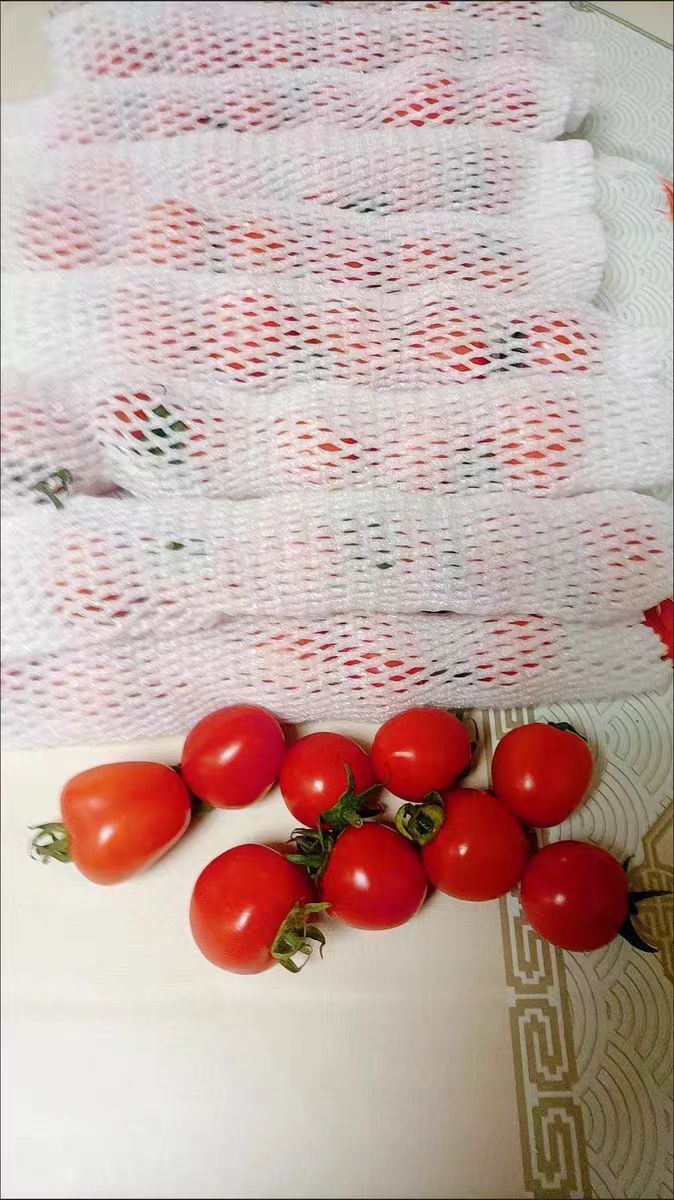
How long does it take for tomato seedlings to survive after planting?
After planting tomato seedlings, the most concerning question is how long it takes to determine their survival. Generally, it takes about 7-15 days after
-
What easy-care green plants are best for lazy people in the south who want something that survives without much fuss?
No desire to water, no time to tend them? Here are a few green plants that could be called "free-range champions" - even beginners can easily handle them without thinking twice. 1. Snake plant. Snake plant has sword-shaped leaves that stand upright and stiff, with alternating light and dark patterns on the surface, much like a tiger's tail. The king of drought tolerance! Its leaves store water well, and it stays upright even when watered once a month, and it can
-

Can a Broken-Off Phalaenopsis Keiki Still Survive? Learn the Correct Way to Prune
During the care of Phalaenopsis orchids, when a keiki (side shoot) gets broken off, many flower growers become extremely anxious, worrying that this will deal a fatal blow to the plant. So, can a broken-off Phalaenopsis keiki still survive? The answer is that it may survive, depending on multiple factors. The keiki of a Phalaenopsis is a new growth point naturally produced during the plant's growth process
-

Why does my Phalaenopsis orchid have no aerial roots, and can it survive?
As a typical epiphytic orchid, the Phalaenopsis orchid's aerial roots are not only important organs for absorbing water and nutrients and for photosynthesis, but also a direct reflection of whether the plant is healthy. When you find that your Phalaenopsis has no aerial roots, what exactly is going on? Can a Phalaenopsis without aerial roots still survive? If a Phalaenopsis has no aerial roots, it may
-

Can Phalaenopsis orchids survive in water, and how long can they live?
In the field of flower care, hydroponics is highly favored for being clean, attractive, and convenient for observing root growth. As the "Queen of orchids", the Phalaenopsis has gradually become an object of interest for hydroponics enthusiasts. So, can Phalaenopsis survive when grown in water? And how long can a water-grown Phalaenopsis live? The native environment of Phalaenopsis is
条件筛选