-
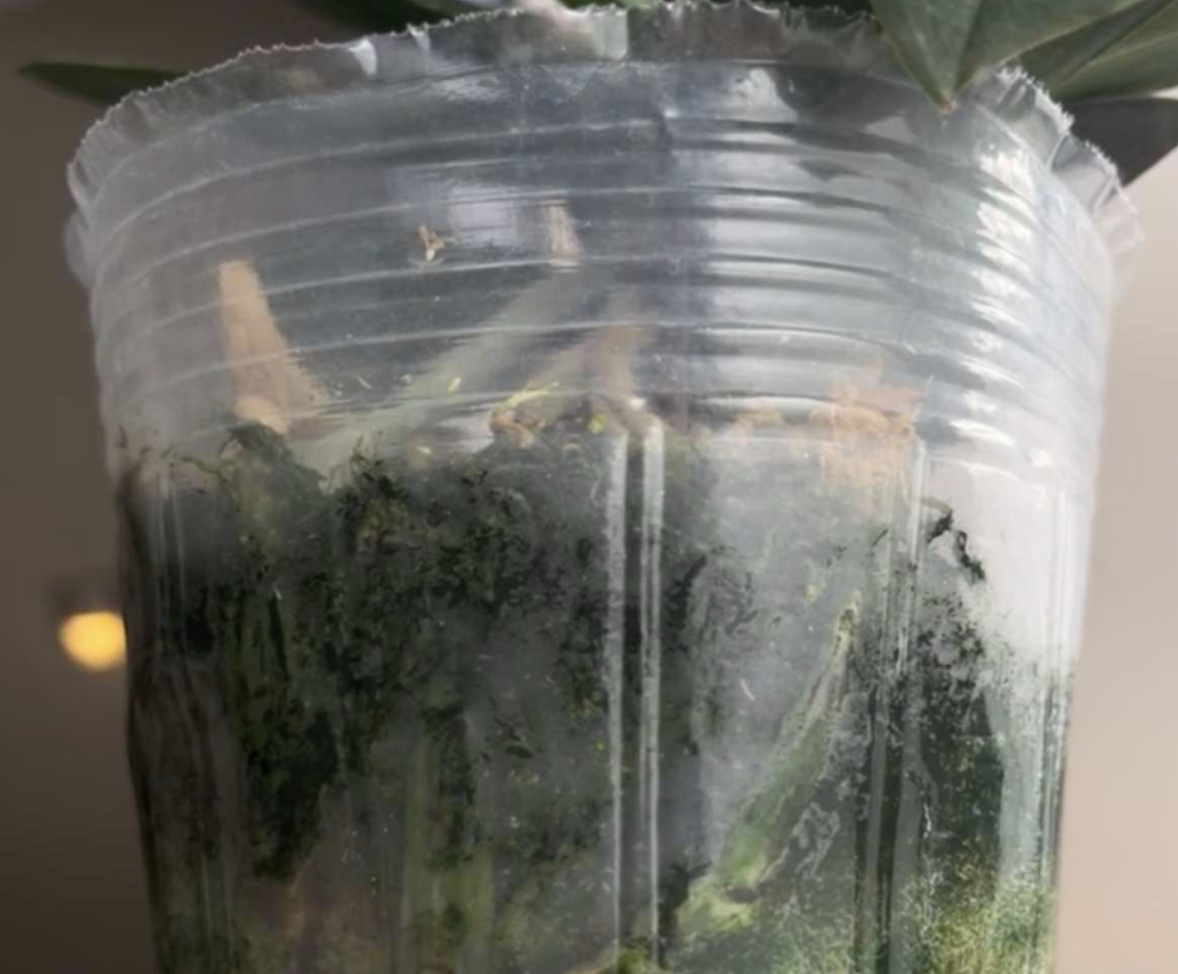
What Color Are Whiteflies Strongly Attracted to?
When dealing with pests on Phalaenopsis orchids, it's crucial to understand what insects are likely to infest the plant and how to recognize them. Apart from
-

What is the best pesticide for whiteflies on Phalaenopsis, and what color do they have a strong tendency toward?
Know yourself and know your enemy, and you can win a hundred battles. When it comes to solving the problem of Phalaenopsis pests, we first need to know what insects it tends to harbor, and at the same time know what pest invasion it is currently suffering from. For Phalaenopsis, besides being prone to thrips, red spider mites and aphids, there is another pest that is easily overlooked, namely
-

Should you trim the roots of a Phalaenopsis? Trim correctly in these 3 situations for strong roots and abundant blooms
If you see the roots in a Phalaenopsis pot either sticking out in a tangled mess, or some turning black and soft, should you trim them or not? Some people think "roots are the life of the flower" and are afraid of harming it by trimming; others think "if you don't cut bad roots, they'll spread" and go at it too harshly. In fact, Phalaenopsis roots shouldn't be trimmed casually - it depends on the situation. Trim correctly and it will
-

After upgrading the cup of young Phalaenopsis seedlings, learn step by step how to grow strong seedlings, identify roots, and care for them all in one go
When growing young Phalaenopsis seedlings, many flower enthusiasts always think "young seedlings don't need an urgent cup change," and end up stifling the seedlings! Just like this 1.7-inch tissue-cultured seedling at the base, after only 4 months of growing, the roots are already densely emerging and look about to drill out from the bottom of the cup - at this point, it must be upgraded in time, switched to a 2.5-inch cup, to give the young seedling enough
-

Tired of root rot when growing flowers? Tuck a few small things into the pot for better airflow and drainage, and the roots will grow stronger
The biggest headache in growing flowers is root rot - you clearly don't water much, yet the plant still droops, and when you take it out of the pot it's all black, mushy rotten roots, heartbreaking and a waste. Actually, the core problem with root rot is just one thing: water accumulates in the pot and can't drain out, so the roots are smothered in wet soil and lack oxygen. Don't just blame yourself for being heavy-handed with the watering can - add some "small things" to the pot,
-

These five green plants cannot be exposed to strong sun; they easily get scorched to death
Once summer arrives, can the green plants at home be placed on the balcony or not? Actually, some plants are naturally afraid of the sun; a little too much sun and they droop, and in serious cases they die outright. Today let's talk about the five green plants most afraid of the sun. If you have any at home, you'd better move them right away! Pothos: Pothos is practically the number one victim of the "sun killer"
-

How to Clean Phalaenopsis (Moth Orchid) Leaves and Precautions for Wiping Leaves Under Strong Light
Growers of Phalaenopsis have surely noticed that the orchid leaves always collect a layer of dust, feel rough to the touch, and look listless. At times like this, you want to give them a wash, but you are afraid of damaging them - after all, these leaves look so tender, so what is the right way to wash them? Some people also ask, is it okay to wash the leaves under the blazing sun? Why should you wash Phalaenopsis
-

Can too strong or too frequent fertilizer affect flowering and growth in Phalaenopsis orchids?
Friends who grow Phalaenopsis orchids have probably all heard the saying "weak fertilizer, applied frequently," but in practice it is easy to go off track - either you are afraid the fertilizer is not strong enough and feed it heavily, or you think that applying more will make it grow faster, and the result is often the opposite. The roots of Phalaenopsis orchids are fleshy, a bit like the succulents we grow, and they are especially afraid of root burn. If the fertilizer concentration is
-

Does sphagnum moss, with its strong water retention, easily cause root rot when used to grow Phalaenopsis orchids?
Beginner growers must have wondered why everyone says sphagnum moss is the perfect partner for growing Phalaenopsis orchids. But some people complain that growing them in sphagnum moss always leads to root rot. So is sphagnum moss actually reliable? Sphagnum moss is truly a little water-absorbing champion! It is like a super sponge, able to soak up several times its own weight in water. Phalaenopsis is an epiphytic plant
-

How to grow Phalaenopsis with a weak root system so the roots become thick and strong
If the Phalaenopsis at home has poor roots, do not worry; follow these steps and you can help it slowly recover. 1. Trim the roots and disinfect. Using scissors wiped with alcohol, cut off all the hollow, blackened rotten roots, keeping only the plump, white, firm healthy roots. After trimming, soak the roots in carbendazim solution for half an hour to disinfect, then take them out.
条件筛选