-

What should be noted when herding ducks in spring?
Choose good grazing grounds. During spring plowing, in rice-growing areas, ducks can be grazed in green manure fields that have been plowed and are being prepared for transplanting rice seedlings. Such fields contain plenty of natural plant and animal feed, such as grass seeds, grass roots, earthworms, and insects. After the rice seedlings are transplanted, ducks should not be taken into the fields to graze; grazing can resume only after the rice is harvested. Graze carefully. In river network areas, make full use of river channels for grazing. Generally, when taking the ducks out to graze, it is better to go upstream, when the ducks are full of energy and catch more food. In the cold spring season, when windy weather occurs, graze against the wind to prevent the wind from lifting the ducks' feathers and causing them to lose too much body heat. In areas with abundant feed
-
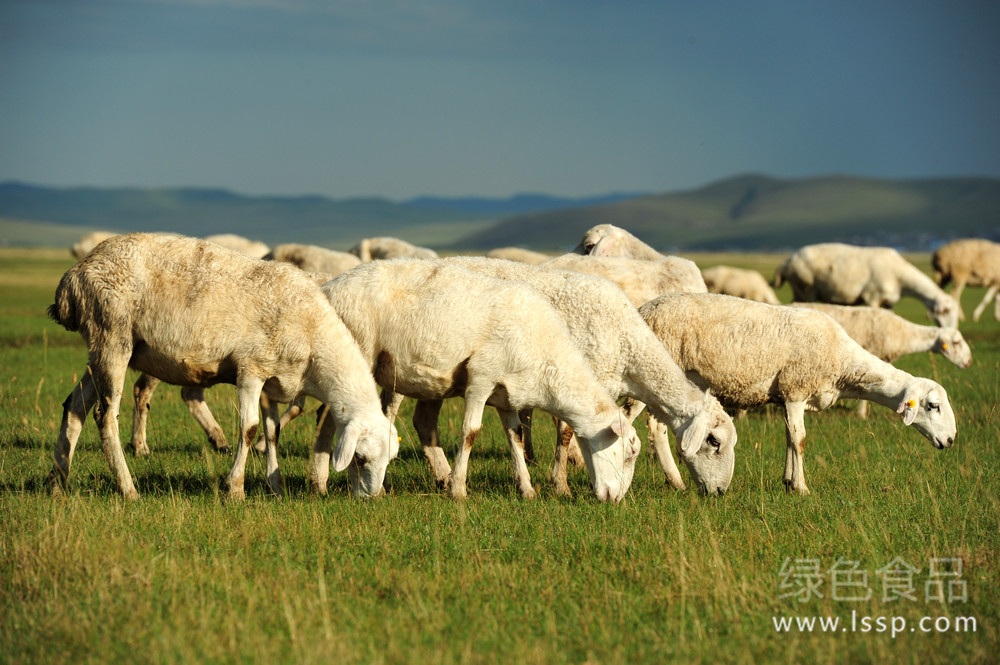
Sheep "craving green grass" disease occurs frequently in spring, sheep farmers must prevent it in advance
"Craving green grass" is also a disease; beware of sheep "craving green grass" disease in spring
-
Common abnormal phenomena and handling measures in oyster mushroom cultivation in late spring and early summer
Late spring and early summer is a good season for cultivating oyster mushrooms. However, due to improper operations, some mushroom growers experience abnormal phenomena such as yellowing and necrosis of mushroom logs after fruiting, souring and stinking of the substrate, and delayed fruiting after the mycelium has fully colonized the bags, which reduces the success rate, yield, and quality and directly affects economic returns. Based on many years of production practice and the experience of growers, the author summarizes the causes of these abnormal phenomena and the handling measures as follows. 1. Mass death of young mushrooms after fruiting from the mushroom bags In late spring and early summer, sometimes after the mushroom logs fruit, young mushrooms turn yellow and soft in large numbers, their bases thicken, and then they wither and rot into dead mushrooms.
-
Detailed Explanation of High-Yield Cultivation Techniques for Spring-Planted Potatoes
Potatoes have the characteristics of being nutrient-rich, serving as both food and vegetable, high-yield and efficient, and having a short growth period. In recent years, with the adjustment of agricultural structure, the potato planting area has increased year by year. The main high-yield cultivation techniques are: selecting improved varieties. Our province belongs to the spring-autumn double-cropping potato region, so early-maturing varieties should be selected that tuberize early, have fast tuber expansion, a short dormancy period, high yield, good quality, and disease resistance, such as Yu Potato No. 1, Yu Potato No. 2, etc. These varieties are best as virus-free seed potatoes. Virus-free potato seedlings emerge early, have robust plants, large leaves, and a
-
Detailed Explanation of High-Efficiency Cultivation Techniques for Spring Potatoes
Spring potato tubers can begin to grow when the soil temperature at a depth of 10 cm reaches 7-8°C, grow vigorously at 10-12°C, and quickly break through the soil. This is the temperature indicator for sowing in various regions. Potatoes have wide adaptability. Generally, choose fields with loose texture and easy irrigation and drainage, and plow deeply 20-25 cm; make high beds with a bed width of 95 cm, a ditch width of 25 cm, and a depth of 25 cm. Before sowing, apply sufficient base fertilizer all at once, and apply the fertilizer in the center of the bed while preparing the land. Apply 1500-2000 kg of decomposed organic fertilizer, three
-
What are the efficient cultivation techniques for spring potatoes?
1. Land preparation and fertilization. After the autumn crop is harvested, deep winter plowing must be carried out; in a dry winter with no rain, overwintering water should be applied. The following year, 4000-5000 kg, ammonium bicarbonate 50-70 kg, and plant ash 100-200 kg should be used as base fertilizer. The base fertilizer should be spread evenly, followed by shallow plowing and turning, then harrowing fine and leveling. 2. Early sprouting for strong buds. In the Lunan area, sand culture sprouting should be carried out around the Spring Festival in cold frames or plastic greenhouses. During sprouting, whole tubers can be sprouted, or they can be cut into pieces first and then sprouted. When the sprouts reach 5-7 cm, pull them out of the sand, air-dry the sprouts for 2-3 days, and wait for the young
-
Introduction to the New Spring Potato Variety Favorita
Favorita is an early-maturing, high-yielding potato variety introduced from the Netherlands, with a growth period of 60-65 days, 17.7% dry matter, 12-14% starch, 0.003% reducing sugar, 1.55% crude protein, and vitamin C 13.6 ml/100 g. The plant has an upright growth habit, few branches, and a height of about 60 cm. The stems are purplish-brown, the compound leaves are large, the leaves are green, and the growth vigor is strong. The tubers are oblong-elliptical, large and uniform, with a very high marketable tuber rate, shallow eyes, smooth skin, light yellow skin, and bright yellow flesh. The variety is relatively resistant to Potato virus Y,
-
Introduction to the Characteristics of the Spring Potato No. 3 Potato Variety
Breeding institution: Jilin Provincial Institute of Vegetables and Flowers. Approval status: approved by the Jilin Provincial Crop Variety Approval Committee in 1990, and by the National Crop Variety Approval Committee in 1997. Variety registration number: GS05001-1997. Variety source: S. demissum A6 X Kexin No. 3. Characteristics: plant height 80-90 cm, medium branching, stems stout, green, stem wings straight, leaf color light green, flowers white, tubers set in a concentrated manner, tubers round, tuber skin yellow with
-
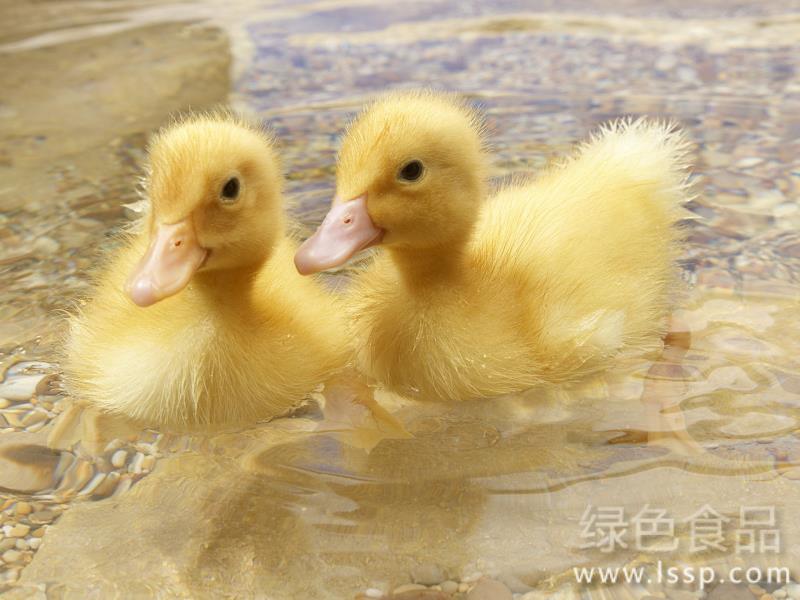
It is best to choose spring for brooding, and feeding management must also be done well
Spring is the best season for brooding; do a good job of brooding and feeding management
-
Warm weather gradually arrives in the third month of spring; prepare mulberry and silkworms without delay
The sluggish cocoon price market in 2007 affected silkworm farmers' enthusiasm for planting mulberry and raising silkworms to a certain extent. For farmers in the key sericulture townships of Chun'an County, planting mulberry and raising silkworms is still the main source of household income. Therefore, the author reminds the broad community of silkworm farmers to treat the sluggish cocoon market rationally and not to easily waver in their enthusiasm for raising silkworms. At present, it is necessary to seize the favorable opportunity to order enough good spring silkworm eggs, do a good job in mulberry field fertilization and management, and strive to make a comeback in the Year of the Rat. Relevant provincial experts believe that the sharp
条件筛选