-
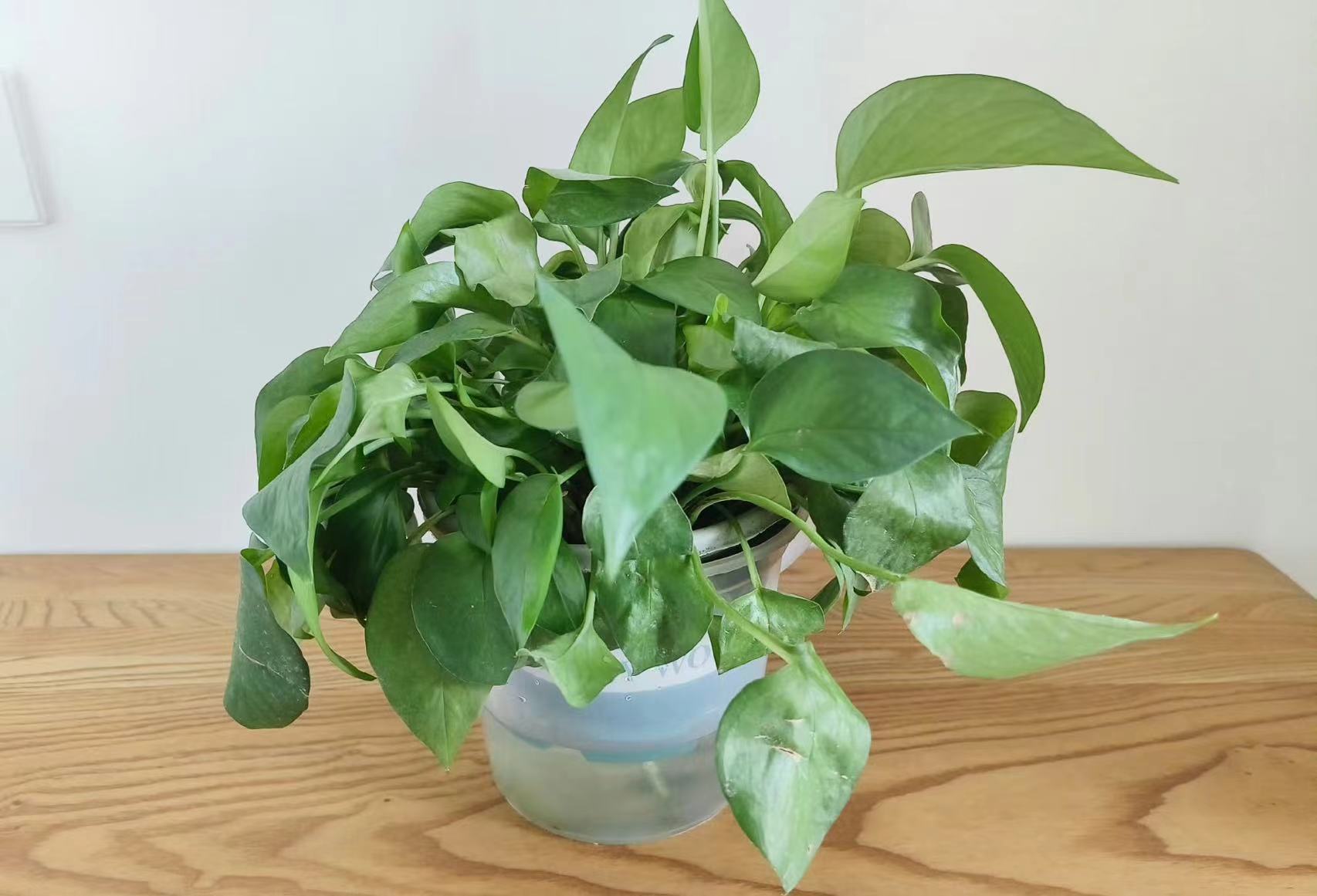
What should we do if the roots of Epipremnum aureum rot and its leaves turn yellow?
Epipremnum aureum is a common and popular indoor green plant, but sometimes problems such as rotten roots and yellow leaves may occur. Here are some solutions:
-

What to Do When Amaryllis Doesn't Root After Blooming and Has Short Flower Scapes?
While caring for amaryllis, gardeners may run into some tricky problems, such as failure to root after blooming and short flower scapes. To help gardeners better care for amaryllis and let it bloom with even more brilliance, the following introduces these two problems and provides corresponding solutions. Amaryllis after blooming
-
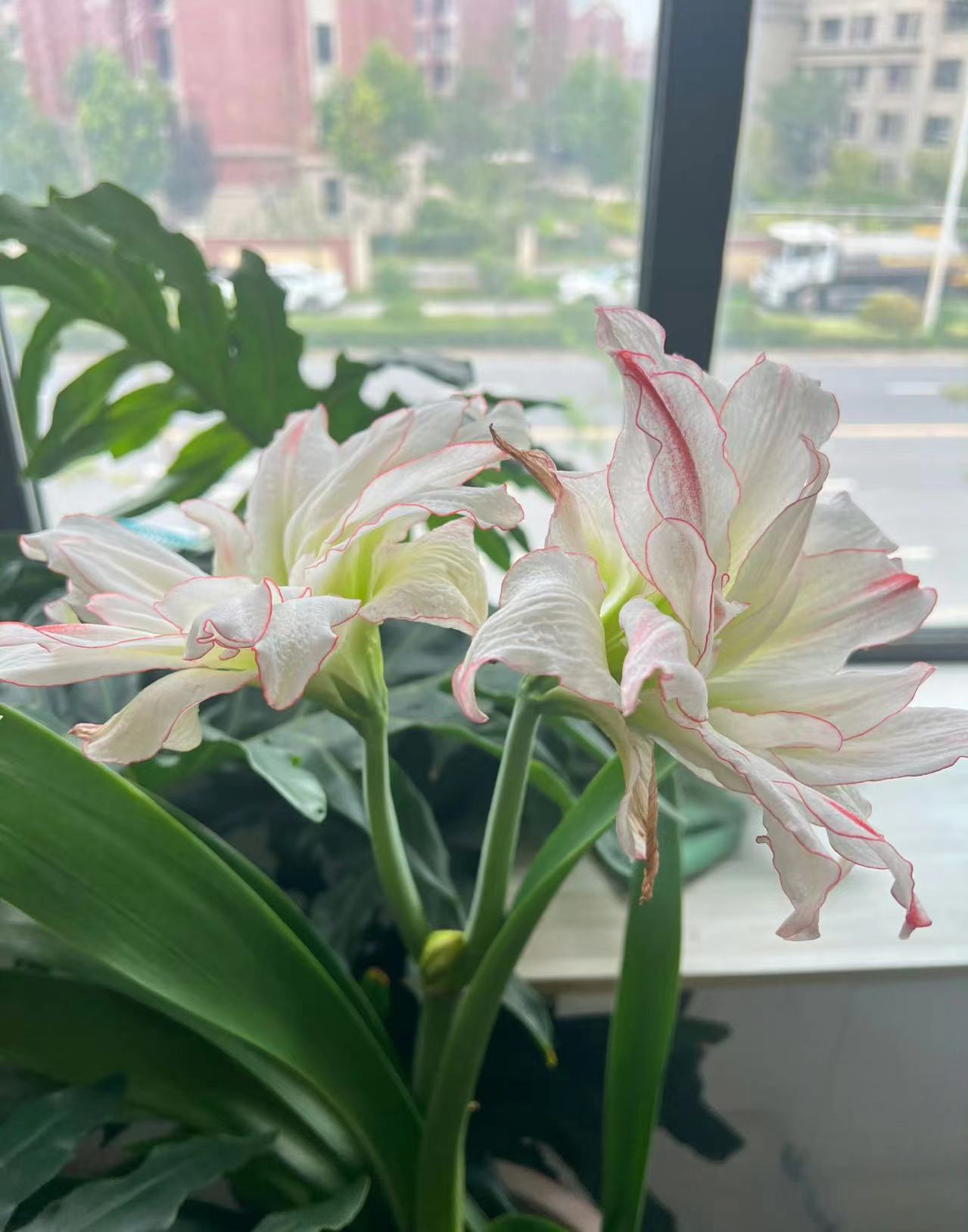
What to do if Amaryllis does not take root after flowering?
During the process of maintaining Amaryllis, flower lovers may encounter some tricky problems, such as no root growth after flowering and short flower scapes.
-

How to Treat Root Rot in Lewisia and Fertilization Precautions in Summer
When caring for Lewisia, we may encounter some problems, among which root rot and summer care are the more critical aspects. Causes of root rot in Lewisia and how to deal with it: Causes of root rot - Overwatering: Lewisia likes a moist environment, but excessive watering can cause waterlogging in the soil, preventing the roots from breathing properly, which leads to
-
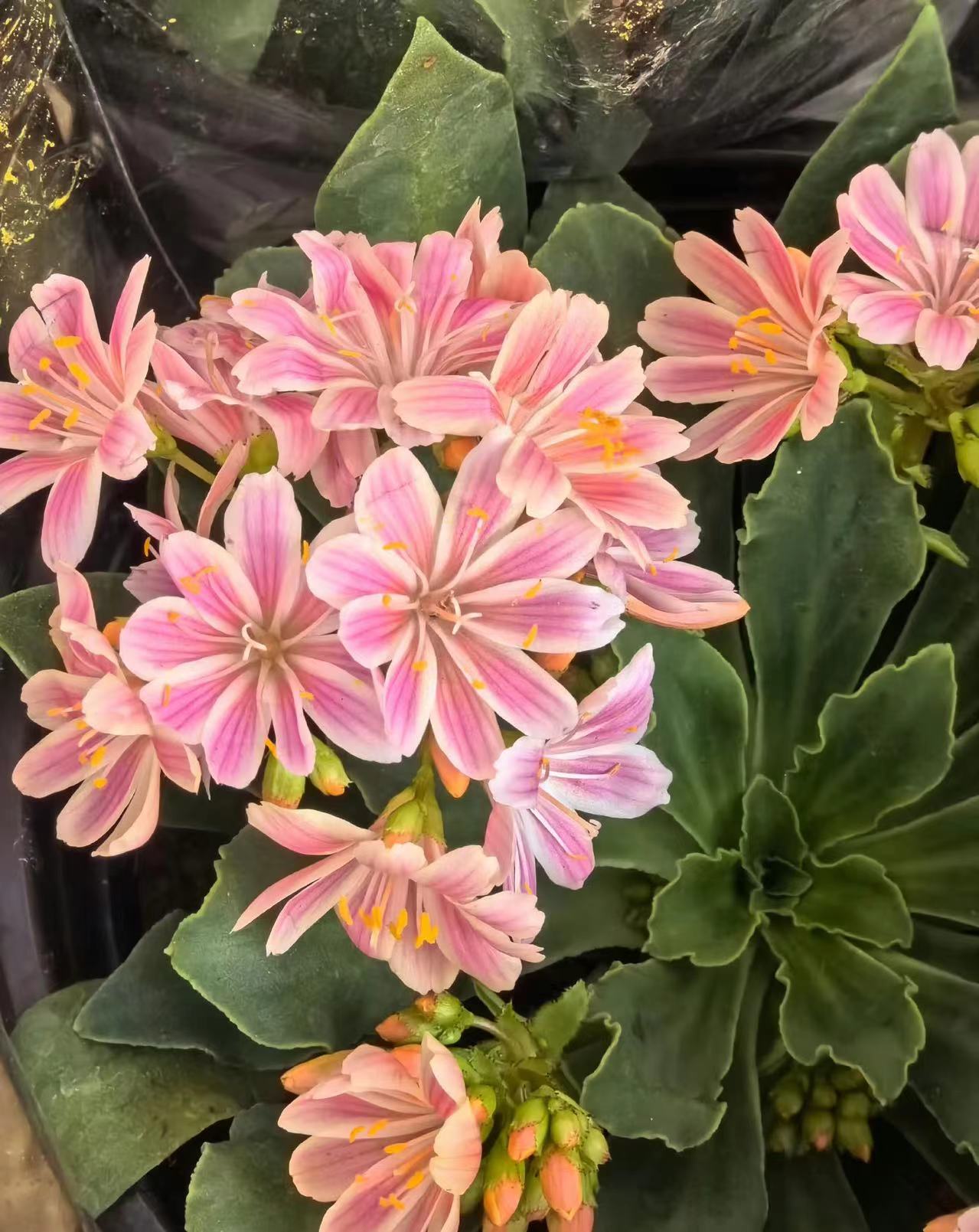
How to deal with the rotten roots of Lewisia cotyledon?
During the process of maintaining Lewisia cotyledon, we may encounter some problems, among which rotten roots and summer maintenance are the more critical
-
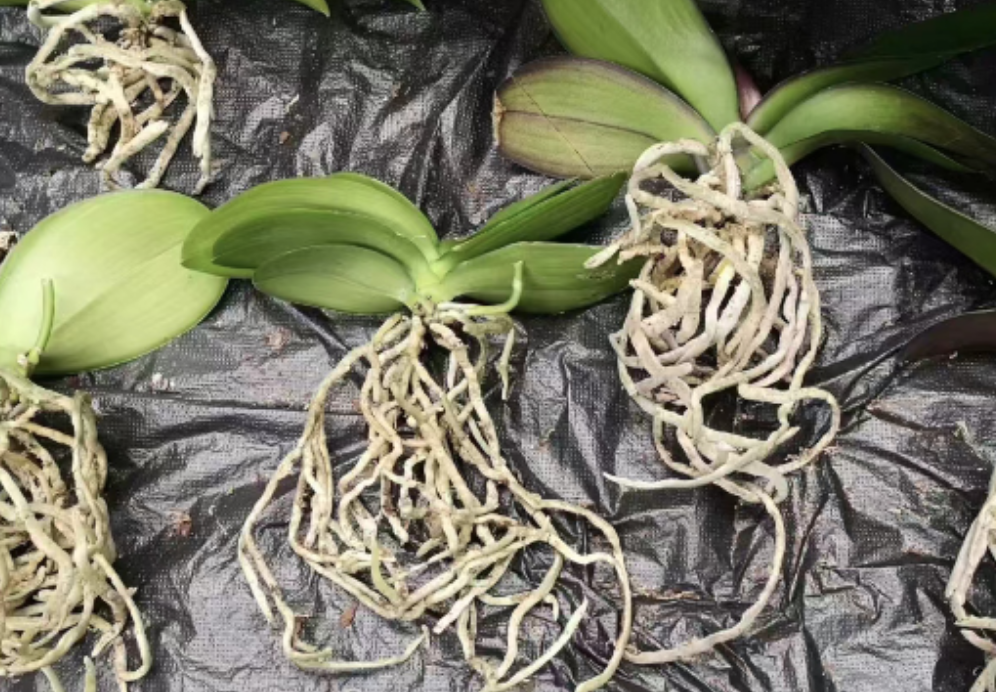
Can the long roots of Phalaenopsis be cut?
As is well known, Phalaenopsis is one of the popular New Year's flowers in recent years. The main reason is that after the flowers bloom, it brings people an
-

What do the normal roots of a Phalaenopsis orchid look like, and can the root tips be cut off if they grow too long?
As is well known, Phalaenopsis is one of the popular Lunar New Year flowers in recent years, mainly because its blooming flowers give people a sense of infinite beautiful meaning. Unfortunately, however, ordinary flower enthusiasts in the process of care may mostly only enjoy the beauty of the first bloom of Phalaenopsis, but cannot see its beautiful flowers the following year. Therefore, to be a
-

How do you treat and save a Phalaenopsis orchid whose roots have rotted from too much watering?
As is well known, the flowers of the Phalaenopsis orchid look like dancing butterflies, and their colors are also diverse, making them the dream flower of many people. Everyone likes to place them in the focal point indoors as a decorative highlight. However, in the process of caring for Phalaenopsis orchids, many thorny problems often arise, such as root rot. This is because root rot not only affects the orchid's flowering
-

When is the best time to take Chinese trumpet vine cuttings so they root easily? An introduction to its effects and benefits
For those who love the Chinese trumpet vine and want to grow it themselves, understanding the best time for cuttings is crucial. At the same time, the Chinese trumpet vine is not only valuable for its ornamental beauty, but also has many surprising effects and benefits. The best time to take Chinese trumpet vine cuttings is usually in spring and summer. In spring, all things revive, the climate gradually warms up
-

What do healthy Phalaenopsis roots look like? Learn to tell roots from flower spikes
I believe many people have grown the "Phalaenopsis" beauty queen at home. It is a perennial flower among orchids. As long as you trim its roots after the flowering period and continue to care for it, next year it will grow back just like the Phalaenopsis you first brought home. If you want to know how to cut and propagate it after flowering, you can look back at what I previously wrote about Phalaenopsis.
条件筛选