-
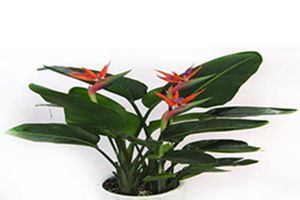
How to Remedy Fading Color in Guzmania (Bromeliad) Flowers
If its flowers are not deeply colored, it may be because the light is insufficient, so it should be moved immediately to a bright, indirect light area to receive sunlight, and it should normally be given plenty of light. If it is caused by a lack of fertilizer, then a specialized leaf fertilizer should be added. If it is caused by improper watering methods, then water should be poured from the top, so that it can use its water-storing layer to hold enough water and supply it to the flowers.
-
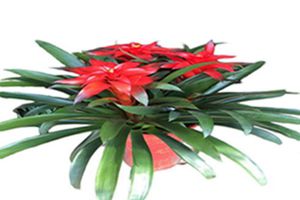
What is the floral meaning of the Bromeliad (Guzmania)?
This bromeliad-family flower is extremely vivid in color, and it symbolizes perfection. Because its top is covered with red flowers, people gave it this auspicious name in the hope that it can bring good luck. If it is wild, it usually blooms from June to October; if it is kept at home, it can bloom all year round. If you want it to bloom faster, you can help it force blooms.
-
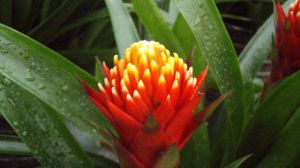
What to Do If Your Guzmania (Bromeliad) Grows Crooked? Teach You the Right Way to Straighten It
If your Guzmania grows crooked, you can insert a wooden stick into its soil and then tie it to the stick, which will quickly make it straight, but this will make it look less attractive. If it has grown crooked due to phototropism from light, you should turn the pot from time to time to let it grow evenly.
-
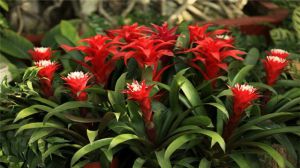
How do you care for a bromeliad (Guzmania) so it grows into a full, lush clump?
If you want your bromeliad to grow into a full, lush clump, when watering normally be careful to pour water into the center of the rosette, not directly onto the soil. When it blooms in winter, give it a liquid fertilizer about once every half month. The temperature should be around 15 to 22 degrees. Even in the depths of winter it needs four to five hours of light; in addition, give it fertile, airy soil, and only then will it grow into a full, lush clump.
-
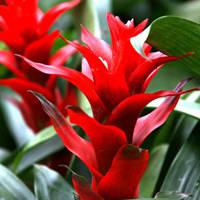
What kind of growing environment is suitable for the Bromeliad (Guzmania)?
The Bromeliad (Guzmania), also commonly known as the bromeliad flower, is an indoor ornamental flower for winter and spring, evergreen all year round, with beautiful and varied inflorescences and rich colors. Its flowering period is relatively long, and it is currently one of the most popular indoor foliage plants.
-

What are the differences between the cold and heat syndromes of bronchopneumonia?
Syndrome, in traditional Chinese medicine, is the short form of symptoms and disease patterns, so TCM diagnosis is carried out through the four diagnostic methods of observation, auscultation and olfaction, inquiry, and pulse feeling and palpation combined into one. The cold and heat in the symptoms and the cold and heat obtained from pulse feeling are sometimes not fully consistent, and comprehensive identification is still needed. First...
-
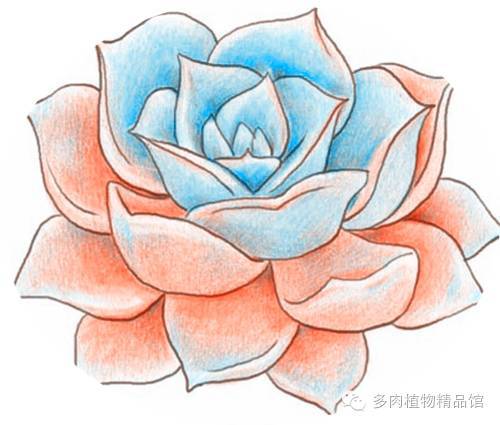
How to Grow Romeo Succulent: Methods and Key Reference Points
Text and images: Internet. Romeo is a succulent plant of the genus Echeveria in the Crassulaceae family, also known as Taurus. Its colors are gorgeous and bright, and its plant form is dignified and imposing. It is a high-end variety and rather difficult, not only hard to bring into color, but also apt to turn black as you grow it...
-
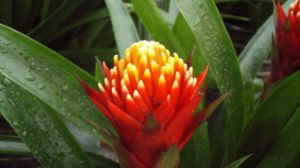
How to care for a Bromeliad (Guzmania): teaching you the correct cultivation methods
To grow a Bromeliad, use breathable, loose soil with good drainage, and ensure sufficient moisture, watering about once every 5-7 days, and applying liquid fertilizer once every 10-20 days during the growing season. It needs about 10 hours of light each day. Propagation can be done by division and sowing, and common pests and diseases must also be prevented.
-
TCM Syndrome Differentiation Methods for Pneumonia with Cold and Heat Patterns
Cold and heat are one aspect of TCM syndrome differentiation for identifying the pattern of disease onset, so in TCM, pneumonia is described as wind-cold closing the lungs, or wind-heat harassing the lungs and other causes of disease onset, generally mild symptoms just after onset. If there is no high fever or other acute symptoms, ...
-

TCM Syndrome Differentiation and Treatment Methods for Chronic Viral Hepatitis
Zhang Liangchen, associate chief physician at Dongcheng Hospital of Traditional Chinese Medicine, goes on to say: Western medicine classifies the disease by virus type, such as hepatitis A, hepatitis B and hepatitis C, while TCM classifies it as liver-gallbladder damp-heat, liver depression with spleen deficiency, spleen-kidney yang deficiency, obstruction of meridians by blood stasis, and liver-kidney yin deficiency, and clinically most cases are...
条件筛选