How to Grow Romeo Succulent: Methods and Key Reference Points
Text
Images: Internet
Romeo is a succulent plant of the genus Echeveria in the Crassulaceae family, also known as Taurus. Its colors are gorgeous and bright, and its plant form is dignified and imposing. It is a high-end variety and rather difficult, not only hard to bring into color, but also apt to turn black as you grow it, and once blackened it even looks as if it has died of dryness. Therefore, it is not recommended for beginners to grow.
In an environment with plenty of sunlight and a certain temperature difference, the leaves of Romeo will turn wine-red. When the temperature allows, it is best to place it outdoors for care to ensure sufficient light. In summer, when temperatures are high, pay attention to ventilation and prevent prolonged exposure to strong sun to avoid sunburn. Do not fertilize too much at ordinary times, especially with nitrogen fertilizer, otherwise the plant will become leggy and the leaves will not turn red. Applying a thin fertilizer based mainly on phosphorus and potassium once a month is sufficient.
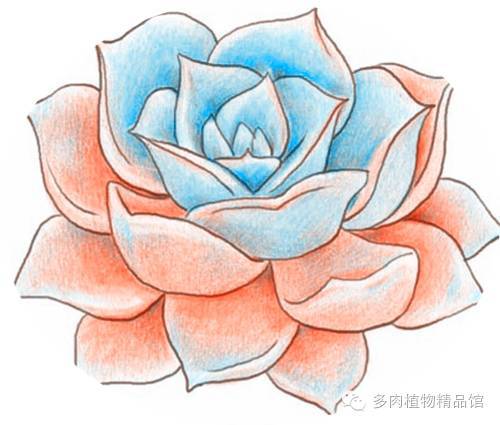
The leaves of Romeo are arranged in a rosette, thick and fleshy, gradually tapering, with a smooth waxy leaf surface. It usually does not form offsets. The scorpioid cyme usually has five petals. It likes a cool, dry and sunny environment and well-drained sandy soil, and watering too much must be avoided. Repot once every 1~2 years in spring, and the necrotic old roots can be trimmed off.
At ordinary times, remove the dried old leaves of Romeo promptly to prevent them from piling up and causing bacterial growth. When the plant becomes leggy, the top part that is cut off can, after the wound dries, be inserted into slightly moist sandy potting soil to take root and become a new plant. The stem and branches and leaves at the base can sprout more lateral buds, and the lateral buds can also be cuttings as needed.
The article was compiled by the Succulent Plant Boutique House. The copyright belongs to the original author. For some articles the source cannot be identified and they are marked as from the Internet. If there is any infringement, please contact us immediately and we will deal with it promptly.