-
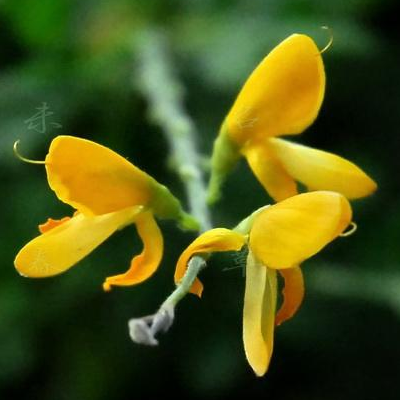
How to Make a Caragana Bonsai and Details on Repotting Frequency
Caragana is a plant that is quite attractive, with yellow flowers. What is the method for making a Caragana bonsai?
-

Things to note when potting and repotting azaleas
Azaleas should be potted once the cuttings have taken root. For pots, clay pots with good permeability are best, purple sand pots come second, and glazed pots and porcelain pots are the worst. When potting, pay attention to choosing the size of the pot, and never use a large pot for a small seedling. If the pot is too large, the potting soil stays wet for a long time, aeration will be poor, and at the same time the roots can easily fail to reach the pot wall, affecting the development of the seedlings. Generally, for rooted cuttings you can choose a clay pot with a diameter of about 10 cm, and after one year repot into a flower pot of about 15 cm. When potting, pay attention to making a good drainage layer: first cover the drainage hole with a piece of tile, then put
-
Repotting rhododendrons after flowering has its particularities; only by mastering the method can they survive well
When choosing a pot, select a suitable pot according to the size of the plant, with clay pots being best; generally the pot diameter (inner diameter) should not exceed half the crown diameter. Rhododendrons prefer acidic soil, requiring a pH of 4.25-5.5; without maintaining this acidity, potted rhododendrons are very difficult to keep alive, and the potting soil must be loose, well-draining and rich in humus; never use heavy clay soil. When using soil, it is best to prepare it according to the original root-ball soil of the rhododendron; plants previously grown in pine-needle soil should still use pine-needle soil, which can be mixed with a small amount of decomposed horse manure and bone meal, and
-
The correct method for repotting and changing the soil of azalea bonsai
The usual conventional method is to tip the plant's root ball out, remove part of the old soil, trim and tidy the root system, refill with fresh soil, and water. When soil is changed this way, the slightest carelessness in management will kill the plant. The longer it has been cultivated, the higher the mortality rate. The reason is: the old clump of soil left at the base of the trunk is not only compacted but also dry, and the balance of supply and demand between the top and bottom of the plant is lost. After the plant is potted up and watered thoroughly again, water finds it very hard to penetrate into the soil clump. Even if a lot of water is poured, the water all seeps out through the new soil layer, while the middle of the root ball remains dry,
-
The correct method and steps for repotting and changing the soil of bonsai
Whether to repot a tree bonsai can be decided based on the following aspects: (1) Generally, small bonsai are repotted once every 1 to 2 years, medium bonsai once every 2 to 3 years, and large bonsai once every 3 to 5 years. In the case of old tree stump bonsai, repotting can be spaced out by several more years. (2) For tree species that grow vigorously and like fertilizer, repotting should be done more often and the interval should be shorter; for tree species that grow slowly and need less fertilizer, repotting can be done less often and the interval can be longer. Old stump bonsai of the pine and cypress type are not suitable for frequent repotting. (3) Tree species with luxuriant branches and leaves and well-developed root systems should be repotted frequently.
-
How to repot a Phalaenopsis orchid? A step-by-step guide to repotting methods
The growing medium for Phalaenopsis orchids must be well-draining and slightly water-retentive, while also providing ventilation and air permeability. Commonly used materials include tree fern roots, sphagnum moss, bark, charcoal, coconut husk and expanded clay pebbles. Whichever medium you use, when the Phalaenopsis plant becomes too large and its aerial roots become tangled with one another, repotting becomes necessary. Repotting should be done in summer during the growing season. The method is to first tip the plant out, remove the old growing medium, and cut away aged and rotted aerial roots, then place a layer of charcoal pieces at the bottom of the new pot, set the plant in, fill in the new medium, firm it down, water it, and it is done.
-
The correct method and key points for repotting azaleas
Generally, potted azaleas need to be repotted after 2 to 3 years. As the plant grows, root growth becomes restricted, and the nutrients in the growing medium are gradually depleted, which makes repotting necessary. Before potting up, choose a suitable flowerpot according to the size and growth condition of the seedling. Do not move small seedlings into large pots, as moisture is then difficult to control and the seedlings are prone to poor growth. When using a new pot, first soak it in potassium permanganate solution for half an hour to remove debris, insect eggs and alkaline substances. After cleaning it thoroughly,
-

What are the methods for repotting and pruning hydrangea?
Potted hydrangeas generally need to be repotted and have their soil changed once a year. Repotting and soil changing are best done in early March. The new soil is prepared in a ratio of 4 parts leaf mold, 4 parts garden soil and 2 parts sandy soil, with an appropriate amount of decomposed cake fertilizer added as a base fertilizer. When changing pots, the plant's root system should be pruned, cutting off rotten roots, decayed roots and overly long root fibers.
-
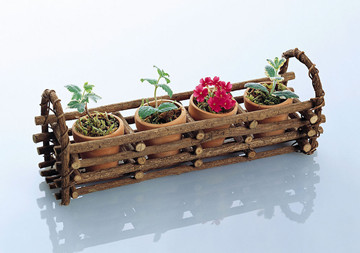
Why do flowers and plants often need repotting?
Turning the pot means regularly changing the direction of the flower pot during the growing period of the flowers. Because some flowering plants have phototropism, if the light is not adjusted regularly by turning the pot, poor shapes such as uneven crowns will appear, affecting their ornamental value. Why do flowers have phototropism? This is the result of the action of auxin in their bodies.
-
Before repotting flowers, here are the precautions you need to know
In the March days when grass grows and orioles fly, it is the perfect season to repot plants! However, how can you repot without harming the flowers and plants, and at the same time give them a beautiful and comfortable new home? Today, the homepage editor will focus on explaining the various precautions for repotting! The two sides of repotting: if you want to give plants a larger living space
条件筛选