-

-
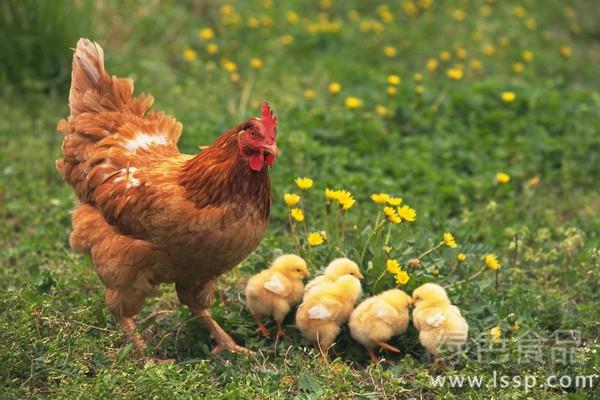
Specific measures for the good benefits of three-stage rearing of broiler chickens
Good benefits from stage-based rearing of broiler chickens: three-stage rearing measures for broiler chickens
-

Key Technical Points and Rearing Management Methods for Raising Ducks in Winter
Winter Duck-Raising Techniques
-

A Detailed Explanation of Emu Farming Techniques and Rearing Management Methods
Emu Farming Techniques
-

Detailed Explanation of Key Technical Points for Tiger Grouper Fry Rearing
Tiger Grouper Fry Rearing Techniques
-

Rearing and Management Methods and Technical Key Points for Young Quail
Rearing and Management of Young Quail
-

Butterfly Farming Techniques Explained: Environmental Management and Rearing Methods
Butterfly Farming Techniques
-

Detailed Explanation of Key Techniques for Autumn Grass Carp Broodstock Rearing
In autumn and winter, the sex cells of grass carp broodstock are in the growth and development stage. The quality of feeding and management during this period directly affects the maturation of the gonads, the spawning induction results the following year, and the fertilization rate and hatching rate of the eggs. For this reason, the rearing of grass carp broodstock in autumn and winter should focus on the following points. 1. Pond preparation. The pond for rearing grass carp broodstock should be close to the spawning pond and have a good water source. The pond area is generally 3-4 mu, with a water depth of 1.5 m. Before stocking the broodstock, the pond should be cleaned and renovated, the pond embankments repaired, weeds removed, and the pond disinfected with quicklime or bleaching powder and other chemicals.
-
Detailed Explanation of Key Technical Points for Winter Rearing of Broodstock
Broodstock rearing is divided into stages including post-spawning care, autumn rearing, winter rearing and spring rearing. Because winter temperatures are low, broodstock activity decreases, feeding capacity is weaker and fish diseases occur easily; if management is poor, it greatly affects the next year's production links such as artificial incubation, fry and fingerling production and grow-out fish farming. The key technical points for doing a good job of winter broodstock rearing are: 1. Pond selection. Broodstock ponds require an adequate water source, a flat pond bottom, shelter from wind and exposure to sun, and good water and heat retention, with an area of 10-15 mu being suitable. 2
-
Rearing Methods and Technical Key Points for Squabs and Young Pigeons
In the initial stage, squabs are best fed fine-particle softened feed. This feed is prepared by crushing corn, mixing it with rice and beans, soaking it in clean water for 2 to 3 hours, and drying it before feeding. The health grit must contain a complete range of trace elements. Some multivitamins can be added to the drinking water. Set up a brooding bed, and pay attention to keeping warm, blocking wind, and keeping dry; generally, they are raised in the brooding bed for about 20 days. Squabs at 50 days of age begin to molt; at this time they are sensitive to external climate changes and prone to illness, so work on cold protection and warmth must be done well. Add some
条件筛选