-
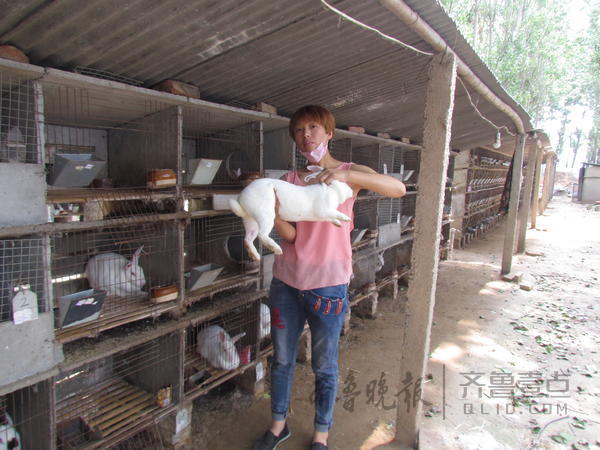
Raising Rabbits to Prosperity, He Became a Startup Star: Selling Over a Thousand Meat Rabbits a Month and Still Can't Meet Demand
Raising Rabbits to Prosperity, He Became a Startup Star: Selling Over a Thousand Meat Rabbits a Month, Demand Still Outstrips Supply
-
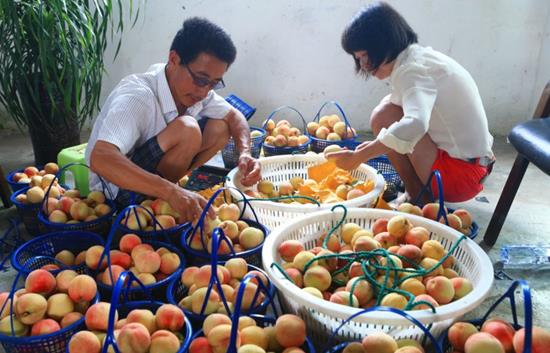
Why are these peaches so uniquely sweet? Raising rabbits and growing fruit, using rabbit manure as fertilizer
Raising rabbits and growing fruit, using rabbit manure as fertilizer, the peaches here are uniquely sweet
-

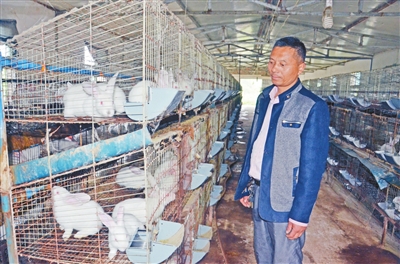
Raising Rabbits Opens the Door to Prosperity, South of the Luo River Finds a Path to Income Growth
South of the Luo River: Raising Rabbits Opens the Door to Prosperity
-
-
Raising rabbits opens up a road to prosperity, and small rabbits bring new hope for increasing income
Raising rabbits creates a profitable future and opens up a road to prosperity
-
Ten Proven Recipes for Fattening Thin Rabbits in Autumn and Winter
After making it through the hot summer, most domestic rabbits are weak and thin, so as soon as autumn begins you must hurry to increase their feed and build them up, in order to improve their strength and productivity. The following methods can be used to fatten thin rabbits in autumn and winter. 1. For rabbits with coarse, messy fur and poor spirits, take an appropriate amount of tea leaves, plus 15 grams each of Clubmoss (Huperzia) and honeysuckle, decoct into a liquid and administer orally, twice a day, 10-15 ml per rabbit each time, for 3-5 consecutive days, with marked effect. 2. Dissolve 5-7 grams of white sugar per rabbit per day in warm water and let the rabbit drink it freely. Generally after 15-20 days
-
What are the precautions for feeding vegetables to rabbits?
The water content of vegetables is about 85%, and their crude fiber content is low, giving them good palatability. Rabbits tend to overeat them. Feeding vegetable leaves to young rabbits within 90 days of age will cause diarrhea in the young rabbits within just a few days. If rabbits develop diarrhea after eating vegetables, stop feeding vegetables, increase the feeding of green hay and dry leaves, and mix 2% charcoal powder or 2% medicinal charcoal into the mixed feed or compound feed for treatment. When the soil where vegetables are grown has been heavily fertilized with nitrogen, treated with herbicides, or when the vegetables are affected by pests, drought, or insufficient sunlight and turn red, their nitrate content increases. Rabbits overeat vegetable leaves and thus take in more nitrate
-
What are the key points for feeding and managing pregnant rabbits?
From before and after mating until 15 days after conception, feed the doe either a restricted diet or a supplemental diet according to her body condition, to prevent her from becoming too fat, which is detrimental to reproduction. Thin and weak does should be given enhanced feeding at this opportunity to help them regain condition as quickly as possible, laying a solid foundation for nursing their kits. From 15 days after conception and during lactation, does should be fed freely to meet the rapid growth and development of the fetuses and kits and to prevent the occurrence of kits being dragged out of the nest. The key point in this period is to make the feed as complete as possible so the doe eats her fill and eats well. Second, do a good job of
-
Grass Species for Cattle, Sheep, Pigs, Rabbits and Geese and Their Cultivation Techniques
1. Growing grass to feed cattle: Mexican corn, alfalfa (Medicago sativa), tall fescue (Festuca arundinacea), napier grass (Pennisetum), Sudan grass (Sorghum sudanense) and others may be chosen; succulent leafy forage grasses with a high crude fiber content should not be planted. Mexican corn is suitable for planting in areas with annual rainfall of more than 800 mm and a frost-free period of more than 180 days. When the plant height reaches 1.5 m, it can be cut once a month. The dry matter of the forage contains 9.5% crude protein, 2.6% crude fat and 27.3% crude fiber. The stems and leaves are tender, crisp and juicy, sweet in taste and highly palatable, and are also suitable for silage or for curing into hay.
-
Summer rabbit-raising tips: how to raise rabbits well in hot weather
Summer has high temperatures and high humidity, which easily cause many adverse effects on rabbit production. Such as heat stress, decreased feed intake, slowed weight gain, reproductive disorders, etc. To minimize the adverse effects, the following measures are recommended: 1. Vigorously focus on heat prevention and cooling. Plant trees, forage grass, or some vine-type plants in the open space in front of the rabbit house; this can both shade and cool and green the environment. If the planting season has been missed, a shade shed 3-4 m high can be built. When the temperature inside the rabbit cage reaches 30°C, sprinkling water on the ground can also be used to cool it down, but when the house is humid, ventilation must be strengthened
条件筛选