-
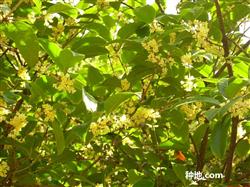
How to grow an osmanthus tree so it blooms? A complete guide to flower-promoting methods
How do you get an osmanthus tree to bloom? What methods are effective when osmanthus does not bloom. The reasons are excess nitrogen fertilizer, insufficient phosphorus and potassium fertilizer and a lack of trace elements; second, insufficient light; third, improper pruning and shaping. The above are also common problems of potted osmanthus in the north. At present it is exactly the stage of flower bud formation, so phosphorus and potassium should be applied immediately...
-

How can you get a gardenia to bloom? A detailed guide to care and bloom-promoting methods
How can you get a gardenia to bloom
-

Technical methods for artificially promoting seed production in Korean pine plantations
For Korean pine, a tree species with a long rotation period, tapping the economic potential of its seeds, shortening the capital payback period and securing near-term income are very important issues in addition to considering timber revenue. The Fengcheng area currently has 800 hectares of Korean pine plantations, of which 3600 hectares have entered the seed-bearing stage; in a good year, the average yield is 350 kg of seeds per hectare, with a total output value of up to 13 million yuan. Further increasing the seed production of these stands can effectively boost the development of the forestry economy in mountainous areas. In February 1998, before sap flow began, we treated the existing stands that had entered the
-
Pinching Technique for Robinia hispida: Promoting Multiple Blooming Cycles
Robinia hispida, also known as Jiangnan locust, under natural growing conditions blooms only once a year. A large amount of nutrients is devoted to shoot growth, and water sprouts can reach over one meter. When summer arrives, strong winds can blow the tender shoots off their growth direction, forming a lopsided crown. This not only reduces the ornamental value of Robinia hispida but also increases the workload of winter pruning. During winter pruning, many branches that have grown rampant for a year are removed or cut back as useless branches, and the cut-back branches will continue to grow rampant the following year. By utilizing the multiple-growth
-
Key techniques for lily cultivation and management: grow this health-promoting vegetable well
The lily is a perennial plant of the Liliaceae family. Its underground bulb contains large amounts of protein, fructose and pectin substances, and can be eaten fresh, or used to extract starch, make canned goods, or be processed into dried lily, etc. The fresh bulb has effects such as tonifying the middle and boosting qi, nourishing yin and moistening the lungs, and relieving cough and calming asthma. It is a newly emerging health-promoting vegetable variety that sells well on the market and is favored by many consumers. The market price is more than 20 yuan per kilogram, the economic benefits of cultivation are considerable, and the prospects for development are broad. Lilies have wide adaptability to climate and soil, prefer cool weather, and the aboveground stems are not tolerant of
-
Lily Cultivation Techniques: Growing Methods for a Health-Promoting Vegetable
In recent years, because flower foods have a unique flavor and special health benefits, the demand for flower foods has been growing. Fresh flowers used as food have thus become a specialty vegetable, and the lily (Lilium spp.) is a typical example. The lily is a perennial plant of the Liliaceae family, and its underground bulb contains a large amount of protein. It is a newly emerging health-promoting vegetable variety selling well on the market today, with a market price of more than 20 yuan per kilogram and considerable economic returns. The lily has strong adaptability and can reproduce and grow well in both the south and the north. Its cultivation techniques are easy to master, making it suitable for vegetable growers and parks to develop and plant.
条件筛选