-

Methods and Technical Key Points for Avian Influenza Prevention and Control in Chicken Farms
How to Prevent and Control Avian Influenza in Chicken Farms
-

Disease Prevention and Control Methods and Technical Key Points for Hamelia patens
First, the most common sooty mold on Hamelia patens is caused by aphids and scale insects, so once we find the root cause we can first carry out pest control, and then prune the plant; second, for the treatment of leaf spot disease and brown spot disease, we can spray carbendazim and chlorothalonil in the early stage of the disease
-
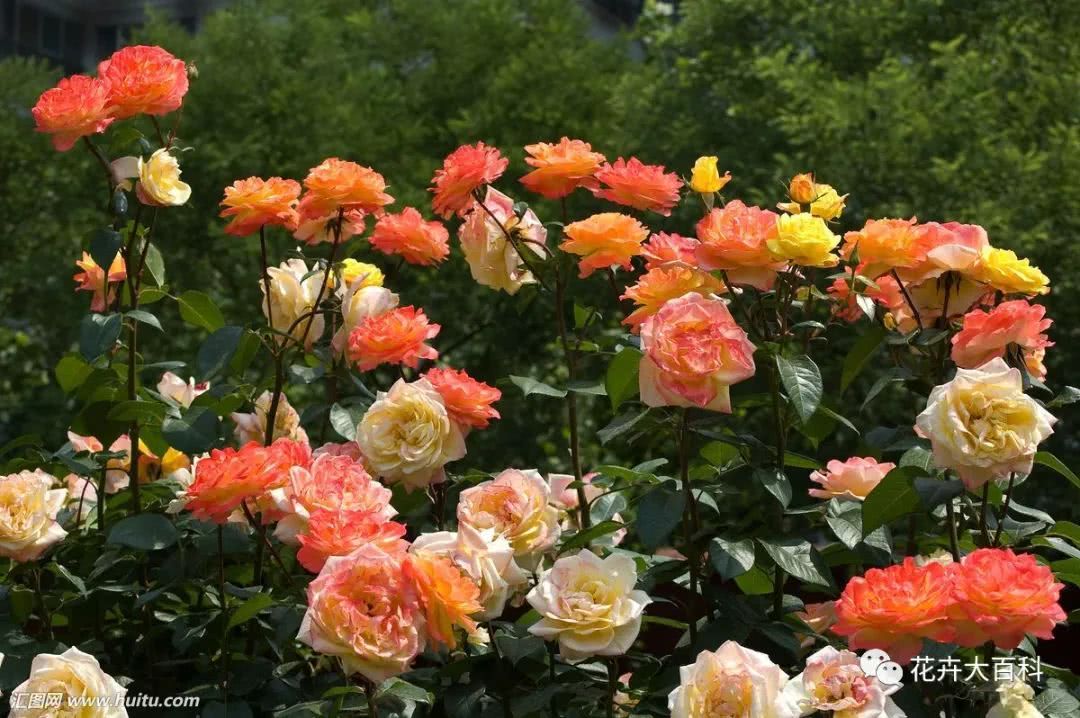
Rose black spot disease symptoms and transmission routes, prevent and control from the source to make flowers more robust
Rose black spot disease, also known as brown spot disease, is a relatively common disease of roses. First, you should start from the source of infection, promptly clean up fallen leaves and remove insect-damaged branches and diseased leaves. Use broad-spectrum fungicides for prevention and control starting from the early stage of the disease. Beautiful...
-
How to prevent and control anthracnose in lucky bamboo
Symptoms: In the early stage of the disease, grayish-brown lesions appear at the leaf tip or leaf margin. The lesions are irregular or semicircular, grayish-white in the center, dark brown at the edges, with a yellow halo outside; the concentric rings on the lesions are obvious or not obvious, and small black dots are scattered on them. Control methods: In winter and spring, remove diseased leaves promptly and destroy them
-
How to effectively prevent and control stem rot in lucky bamboo
Symptoms Lucky bamboo stem rot causes the plant to die and reduces its ornamental value. It mainly occurs from May to September, when the weather is hot and humid, the stem base turns yellow and soft, the inside of the stem gradually turns red, and the plant rots from the bottom up. Prevention and control methods Before planting, choose excellent varieties with a certain degree of disease resistance. Usually pay attention to water control
-
What to Do About Root Rot in Lucky Bamboo? A Detailed Guide to Prevention and Control
Symptoms Root rot mainly affects the roots of lucky bamboo. No basal shoots are produced, or the shoots that emerge are uneven, the sprouting rate is low, or the young roots at the base of the stem rot. Prevention and control methods: In daily care, avoid rain exposure and provide appropriate shade. Fertilize once a month, combining organic and inorganic fertilizers. When disease is detected, spray promptly.
-
Prevention methods for yellowing leaves on Alocasia macrorrhizos
The causes of yellowing or drooping leaves on Alocasia macrorrhizos can be roughly divided into the following aspects: 1. Light effects. Placing Alocasia macrorrhizos in a living room, bedroom or other spot lacking light for a long time will, due to insufficient light, affect the plant's photosynthesis and thereby affect the plant's life activities
-
How should pests on Alocasia macrorrhizos (giant taro) be prevented and controlled?
Mites, commonly known as red spider mites. This is the most serious pest for Alocasia macrorrhizos. Red spider mites generally live on the underside of leaves. They not only suck the nutrients from the leaves but also spread various viruses. They greatly affect plant growth, so you must check frequently and treat immediately once discovered. You can use miticides such as miechongqing and saomanjing.
-

Shading tree peonies in summer can prevent leaf diseases
Proper shading in summer can extend the effective growth period of tree peonies, reduce leaf diseases, lessen the phenomenon of autumn sprouting, and benefit the growth of tree peonies
-
How to prevent and control pests and diseases on yew? A detailed guide to prevention and control methods
Greenhouse cutting seedlings of Southern Chinese yew (Taxus wallichiana var. mairei) have a total of 7 pests and diseases throughout the entire growing period
条件筛选