-
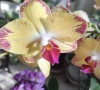
Poor ventilation has serious consequences for Phalaenopsis orchids; if ventilated correctly, can you use a fan?
1. 90% of people overlook this! The 3 major harms of a poorly ventilated environment 1. Harm one: roots suffocate in damp conditions and rot. Consequence: the potting medium stays wet and airless for a long time, the roots are deprived of oxygen and turn black, and their water-absorbing function is lost. Data: in a sealed environment, the rate of root rot in Phalaenopsis orchids is 60% higher than in a ventilated environment 2. Harm two:
-

What green plants can you grow in a bedroom with poor light? Recommendations for easy, low-maintenance varieties
Not enough light in the bedroom? Don't worry that you can't grow plants. Today I'll recommend four shade-tolerant little champs for you. No need to watch the sun every day; just set them anywhere and they'll grow, and even beginners can handle them easily. Philodendron bipinnatifidum: Philodendron bipinnatifidum is simply a lazy person's savior. Its leaves are like open feathers, big and spreading, and placed in a bedroom corner it instantly gives a tropical vibe. The best part is it isn't picky about light; even if the bedroom only gets a bit of scattered light in the morning, it still grows vigorously. Watering is also worry-free: feel the top of the potting soil, and when it's dry, water thoroughly once. Even if you forget to water for half a month and the leaves droop, after replenishing water they perk right back up. The margin for error is super high, and caring for it is especially stress-relieving.
-

Why Is Your Phalaenopsis Orchid Poor at Absorbing Nutrients? A Look at the Causes
Many flower lovers complain: "Why does my Phalaenopsis always look droopy, and it doesn't grow even when I fertilize?" Nine times out of ten, this is a nutrient absorption problem! Just why does a perfectly healthy Phalaenopsis end up poor at absorbing nutrients? Understanding the reasons behind it is the only way to treat the right cause. The most common reason - potting medium. Phalaenopsis is different from other flowers
-

Reasons for Poor Nutrient Absorption in Phalaenopsis Orchids and How to Solve Them
Many flower enthusiasts encounter the problem of poor nutrient absorption in Phalaenopsis orchids (moth orchids) during care, with plants showing symptoms such as yellowing leaves, slow growth and small, thin flowers. To solve this problem, it is necessary to first clarify the underlying causes and then treat them accordingly. Poor nutrient absorption in Phalaenopsis orchids is commonly caused by improper choice of potting medium.
-

The Impact of a Poor-Condition Mother Plant on Phalaenopsis Propagation and How to Solve It
In the propagation of Phalaenopsis orchids, the condition of the mother plant plays a decisive role. If the mother plant used for propagation is in poor condition, it will trigger a series of problems that affect the success rate of propagation and the quality of the new plants. When a Phalaenopsis mother plant is in poor condition, the first thing affected is a significant drop in propagation success rate. The mother plant itself grows poorly, with insufficient nutrient reserves
-

Can a lack of organic matter cause poor growth in Phalaenopsis orchids?
Phalaenopsis, the moth orchid, is a darling of the flower market. During its growth process, organic matter plays an indispensable role. If Phalaenopsis lacks organic matter, it will face many growth problems that are extremely detrimental to its healthy growth. Organic matter is an important source of energy and nutrients for Phalaenopsis. From the perspective of nutrient supply
-
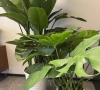
What plants are suitable for growing indoors when the light is poor?
Want to grow green plants but worried they will die without sunlight? Today I will introduce several green plants that can grow like crazy even without sunlight. Monstera: Monstera has broad leaves with irregular holes and splits, clear veins, and a rich tropical feel. Large plants can reach more than 2 m tall, while small potted ones are suitable for tabletop placement. It can grow in diffused light to semi-shade environments
-

Signs of Poor Drainage in New Potting Soil for Phalaenopsis and How to Deal With It
Poor drainage in new potting soil is a common problem during Phalaenopsis (moth orchid) care. If not dealt with in time, it can seriously affect the growth and health of the plant. Understanding the signs of poor drainage and mastering the correct solutions is the key to helping Phalaenopsis thrive. Signs of poor drainage in new potting soil for Phalaenopsis: yellowing leaves
-

What to Do When Phalaenopsis Roots Are Shriveled and Rotten, and Can It Survive If the Roots Are Poor and It Grows a Flower Spike?
The Phalaenopsis orchid's long blooming period makes it highly favored by flower enthusiasts. However, caring for Phalaenopsis is not easy, especially when problems such as shriveled and rotten roots or poor root development occur, which require even more careful attention. The shriveling and rotting of Phalaenopsis roots is usually the result of multiple factors working together, including but not limited to sun
-

How to plant a multi-plant Phalaenopsis arrangement? Methods to prevent root rot from poor air circulation
Planting several phalaenopsis orchids or several clusters together not only creates a potted display with rich layers and vivid colors, but also adds to the joy of growing flowers. However, combined planting also requires attention to some issues, especially how to prevent root rot caused by poor air circulation. Steps for planting multiple phalaenopsis plants/clusters together: Selecting flowers
条件筛选