-
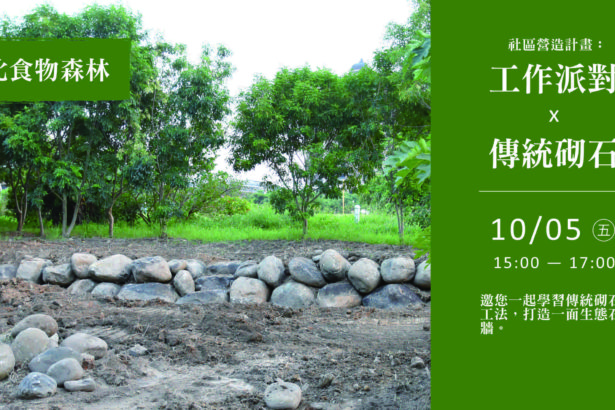
October 5 Zhubei Food Forest Work Party: Experience Traditional Stone Masonry
10/5 [Zhubei Food Forest]Work Party x Traditional Stone Masonry
-

How do you tell sulfur-fumigated jujubes apart? Remember these three steps: one look, two peel, three taste
Summary: How do you tell sulfur-fumigated jujubes apart? Just three steps: "one look, two peel, three taste." At present, the Xinzheng jujubes and Shanxi red jujubes have all been harvested, and the jujubes of southern Xinjiang have also entered the harvest season. Jujubes at this time of year are truly...
-

Which parts of fruit trees are prone to frostbite in winter
Locations where fruit trees are prone to frostbite in winter
-

Detailed Explanation of the Large Icefish Processing Technology Series (Part One)
Large icefish, also known as noodlefish, was originally widely distributed in the main stream and affiliated lakes of the middle and lower reaches of the Yangtze River. Its flesh is tender and delicious, rich in nutrients, and eating it carries a special fresh cucumber aroma. Large icefish generally has a body length of about 20 cm, with no bones or spines. It is a small, precious fish species with high economic value and is highly popular in domestic and international markets. Two processing methods for large icefish are introduced here: I. Processing of quick-frozen large icefish. 1. Preservation and transportation of raw fish. Large icefish has a small body and thin skin, making it extremely prone to spoilage.
-
Detailed Explanation of the Biological Characteristics of Angelica sinensis (Part One)
Angelica sinensis seeds lose their germination rate after being stored at room temperature for 1 year, but can be stored for more than 3 years under low-temperature dry conditions. Mature seeds can germinate and grow under suitable conditions of moisture, temperature, oxygen, etc. Seed germination goes through three processes: (1) The water absorption and swelling process. The components that make up Angelica sinensis seeds, such as starch, fat, protein, and cellulose, are all hydrophilic colloids, which exist in a gel state under dry conditions. When the seeds absorb water, water penetrates into the colloidal network structure inside the seeds, causing the gel state to become a sol state, and the volume increases accordingly. This process is a physicochemical phenomenon called the seed water absorption and swelling process.
-
Key Harvesting and Processing Techniques for Angelica sinensis (Danggui) (Part One)
(1) Harvesting For direct-sown plants, dig in mid-to-late October of the second year; for seedlings raised in a nursery and then transplanted, dig in mid-to-late October of the same year, when the plants have withered and turned yellow. Digging too early results in roots that are not plump and solid, with low yield and poor quality; digging too late means the soil has already frozen, making digging difficult and prone to breaking the roots. Before harvesting, first cut off the above-ground stems and leaves and sun-dry them for 3-5 days, so that the roots become fuller and more solid; then carefully dig out the entire root. (2) Processing After harvesting, angelica sinensis must not be piled up. First clean off the soil, choose a high, dry, well-ventilated spot, spread the roots out to dry until the roots become soft, or sort them
-
Pests Harming Orchids and Their Control Methods (Part One)
Pests that harm orchids include scale insects, aphids, spider mites, thrips, whiteflies, leaf miners, snails and slugs, nematodes, caterpillars, cockroaches, ants, and others. 1. Scale insects Scale insects are one of the most common pests harming orchids. There are many species, mainly parasitizing the stems and leaves of orchids, and they can also be seen on the petioles and the membranous sheaths at the base of pseudobulbs, appearing as a white powdery substance. They feed by sucking plant sap with their piercing-sucking mouthparts. In mild infestations, they cause the affected organs to turn yellow and age, affecting the growth of the orchid plant; in severe cases, they cover the leaf surface in patches, consuming nutrients and affecting the orchid's
-
Detailed Explanation of Various Reproductive Organ Diseases in Cattle (Part One)
I. Endometritis is an important cause of infertility in cattle, and is divided into acute and chronic types. Causes and symptoms: It is caused by the invasion of bacteria and other microorganisms after calving (including abortion, management of dystocia, and mating). Brucellosis, trichomoniasis, improper handling, and drug stimulation can all serve as triggering factors. During acute attacks, body temperature rises, appetite decreases, the animal is listless, arches its back, strains, and urinates frequently. Mucous and purulent exudate flows from the vulva, with more discharge when lying down, and there is a fishy odor. On
-
Raccoon Dog Feed and Nutrition, Part One: The Importance of Water
Raccoon dog feed includes animal-based, plant-based and mineral-based feeds as well as synthetically produced products. How feed is supplied and what it is composed of has a great influence on the health, reproduction and fur quality of raccoon dogs. Artificially raised raccoon dogs have no choice whatsoever when it comes to feed, so keepers must rationally formulate and supply feed according to their living habits and their nutritional needs at different biological stages. If feed supply is insufficient during any one of these stages, or if the daily ration is not nutritionally complete or is improperly formulated, it will inevitably affect production results for the entire year. (1) Feed nutrients and their functions
-
Detailed Explanation of the Low-Altitude Substitute-Material Cultivation Method for Gastrodia elata (Part One)
Gastrodia elata is a rare and precious traditional Chinese medicine. In the past it was gathered from the wild, growing in mountain forests above 500 m in altitude, and was very scarce and difficult to dig up; today it faces extinction. The development of artificial cultivation of Gastrodia elata has saved this precious species, but technically it still cannot break away from cultivation in high-altitude areas, and the raw material cannot be separated from log segments (oak). This makes Gastrodia elata cultivation greatly limited by region. Second, it is limited by the felling of forest resources. These two major drawbacks have long plagued the development of Gastrodia elata, and it has never been possible to achieve modern
条件筛选