-

Detailed Explanation of Key Processing Techniques and Operation Methods for Garlic Flakes
Processing garlic into dehydrated garlic flakes not only preserves the unique flavor of garlic, but also makes storage, transportation, and consumption convenient. 1. Process flow: Sorting → Cleaning → Slicing → Rinsing → Dehydration (drying) → Moisture equilibration → Grading → Packaging → Finished product. 2. Key process points (1) Material selection. Select white-skinned garlic heads with large cloves, no shriveling, and free from rot, pests and diseases, severe damage, and scars.
-
Detailed Explanation of Garlic Irradiation Preservation Technology and Key Operational Points
After garlic matures, it begins to sprout and enters the reproductive growth phase of cell division, which results in cloves scattering, shriveling, and loss of nutrients during storage, rendering it unfit for consumption. During the dormant period, Y-ray irradiation processing is used, utilizing radiant energy to damage the sprout buds of garlic cloves, inhibit their normal growth, prevent sprouting, reduce nutrient consumption during storage and transport, ensure commodity quality, and meet hygienic standards for safe storage. This is what is commonly known as garlic irradiation preservation technology. Garlic harvesting and pre-treatment. Garlic
-
Processing operation key points and quality control methods for mackerel and Spanish mackerel
Mackerel and Spanish mackerel are rich in nutritional value, with DHA and EPA content second only to tuna, and can enhance the body's immunity. They are also very low in price and are well received by consumers at home and abroad. However, mackerel and Spanish mackerel contain a relatively high amount of histidine. When the fish is not fresh or has spoiled, after the action of decarboxylase produced by bacteria, histidine is decarboxylated to produce histamine. When histamine accumulates to a certain amount, there is a risk of poisoning after human consumption. Therefore, process conditions must be strictly controlled during processing to ensure product quality. 1. Processing operation key points
-
What precautions should be taken when processing snake venom? A full breakdown of the key operational points
1. Pay attention to safety when extracting and processing snake venom. To strictly prevent venomous snakes from injuring people, the movements for releasing the snake during and after venom extraction must be quick. When returning a snake that has been milked to its cage, first place the snake's body inside, and when the snake's head approaches the edge of the container opening, let go quickly. If you cannot withdraw your hand in time when releasing the snake, you can easily be bitten by the snake striking back. 2. Venom extraction equipment must be strictly sterilized. 3. If the venomous snake clamps onto the vessel and will not let go, you may gently swing the snake's trunk; if it still will not release its bite, you may gently twist its neck, or use a small stick or your finger to stimulate the snake's cloaca. Never pull hard
-
Detailed Explanation of the Processing Technology and Key Operating Points for Candied Ginger Plums
This product is a traditional sugar-preserved food, formerly marketed in Southeast Asia, with a sweet, sour, salty, spicy and distinctive flavor. The processing technology is as follows: 1. Raw material processing: Prepare ginger powder: use fresh tender ginger and fresh mature ginger at a ratio of 4:3. Wash both types of ginger thoroughly, scrape off the ginger skin and outer peel, then chop and subject to color protection by soaking in a 0.1% sodium bisulfite solution for 8 hours. Then rinse with clean water, put into a pulping machine and beat into a fine pulp, spread in a drying tray, and dry in a dryer at 65-70 degrees Celsius to obtain dried ginger powder.
-
Detailed Explanation of Wheat Grain Germination Methods and Operating Steps
The improved method is: let the wheat grains germinate before bottling and sterilizing. The storage substances in wheat grains are mainly starch, fat and protein. When the seeds imbibe water and cell physiological activity is reactivated, the activity of various enzymes increases. During germination, these substances are decomposed into simple-structured substances such as maltose, sucrose and amino acids, which are easily utilized by the mycelium, so the mycelium grows quickly. The specific procedure is: let the wheat grains used for spawn germinate all at once, with the sprouts reaching 1-2 times the length of the wheat grains, then dry them thoroughly in the sun for storage. On the day before making the spawn, soak the wheat grains for 12h and directly bottle
-
Key Technical Points for the Early-Stage Operation of Edible Mushroom Growing Substrate
Preparing a good edible mushroom growing substrate is very important, as it directly affects the growth of the edible mushrooms and the grower's returns. Here I will use the preparation of growing substrate with Jinbaobei fermentation agent as an example to introduce the key operating points. 1. Material preparation: Prepare Jinbaobei edible mushroom substrate fermentation aid at 0.1% of the substrate weight (that is, one part per thousand; if discarded substrate is being reused, it may be added at 0.2%); pre-soak or rinse the crushed or cut main material in advance to pre-wet it, and adjust the moisture to 60-70% and the pH to about 8. If the moisture is too low, it is not conducive to the rapid reproduction of functional microorganisms,
-
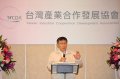
Taiwan Industrial Cooperation and Development Association Established, Taipei Mayor Ko Wen-je Attends
Taipei Mayor Ko Wen-je attended the inaugural meeting of the Taiwan Industrial Cooperation and Development Association at noon on the 7th. Mayor Ko Wen-je expressed his hope that the association could become an integrated platform for industry, government, and academia, build consensus, and promote industrial development. He also once again emphasized that innovation and entrepreneurship are Taiwan...
-
Key Points and Detailed Operation Methods of Antler Harvesting Techniques
Velvet antler is the unossified young horn growing on the forehead of male deer, possessing multiple pharmacological effects and is a precious traditional Chinese medicine. There are many species of cervids, but the Chinese Pharmacopoeia recognizes only sika deer velvet and red deer velvet. Timely harvesting of velvet antler is an important part of the production process for deer farms (households), directly affecting the economic benefits of deer production. The author of this article introduces the velvet harvesting techniques for sika deer and red deer. According to different specifications required for velvet harvesting, the harvested velvet antler includes sika deer's two-branch velvet, three-branch velvet's cut-head velvet and sawed velvet, and red deer's three
-
The correct method and key operational points for plucking bristles from live pigs
Plucking bristles from live pigs is best done in summer, as this is precisely the molting and bristle-shedding period. Five minutes before the first plucking begins, feed the pig some distillers' grains type feed, so that the pig's pores are dilated. Then, while the pig is eating or lying quietly, use one hand to gently stroke the pig's body, and with the other hand gently pull a bristle to test whether it comes off with a light tug. If the hair root is already loose, it means this is the most suitable time to pluck. When it is determined that the hair roots are loose, a fine wooden comb can be used to comb the pig's bristle ridge area from back to front. The bristles can then be combed off, sorted, put into a pre-prepared paper bag, and stored
条件筛选