-

A Detailed Explanation of Tuna Fishing Methods and Operational Procedures
There are quite a few methods for catching tuna, and the most popular one today is longline fishing. Longline fisheries are divided into three types: surface longline, bottom longline, and midwater longline. Tuna longline fishing gear is mainly composed of a main line, branch lines, floats, float lines, and hooks, that is, a tool for catching tuna by hanging several hooked branch lines from an extended main line. Several floats are tied to the main line, and the float lines between the main line and the floats as well as the length of the branch lines serve to adjust the fishing depth. The hooks need to be baited. The bait mainly includes frozen saury, squid, sardine
-
Processing operation key points and quality control methods for mackerel and Spanish mackerel
Mackerel and Spanish mackerel are rich in nutritional value, with DHA and EPA content second only to tuna, and can enhance the body's immunity. They are also very low in price and are well received by consumers at home and abroad. However, mackerel and Spanish mackerel contain a relatively high amount of histidine. When the fish is not fresh or has spoiled, after the action of decarboxylase produced by bacteria, histidine is decarboxylated to produce histamine. When histamine accumulates to a certain amount, there is a risk of poisoning after human consumption. Therefore, process conditions must be strictly controlled during processing to ensure product quality. 1. Processing operation key points
-
What precautions should be taken when processing snake venom? A full breakdown of the key operational points
1. Pay attention to safety when extracting and processing snake venom. To strictly prevent venomous snakes from injuring people, the movements for releasing the snake during and after venom extraction must be quick. When returning a snake that has been milked to its cage, first place the snake's body inside, and when the snake's head approaches the edge of the container opening, let go quickly. If you cannot withdraw your hand in time when releasing the snake, you can easily be bitten by the snake striking back. 2. Venom extraction equipment must be strictly sterilized. 3. If the venomous snake clamps onto the vessel and will not let go, you may gently swing the snake's trunk; if it still will not release its bite, you may gently twist its neck, or use a small stick or your finger to stimulate the snake's cloaca. Never pull hard
-
Key Points and Detailed Operation Methods of Antler Harvesting Techniques
Velvet antler is the unossified young horn growing on the forehead of male deer, possessing multiple pharmacological effects and is a precious traditional Chinese medicine. There are many species of cervids, but the Chinese Pharmacopoeia recognizes only sika deer velvet and red deer velvet. Timely harvesting of velvet antler is an important part of the production process for deer farms (households), directly affecting the economic benefits of deer production. The author of this article introduces the velvet harvesting techniques for sika deer and red deer. According to different specifications required for velvet harvesting, the harvested velvet antler includes sika deer's two-branch velvet, three-branch velvet's cut-head velvet and sawed velvet, and red deer's three
-
The correct method and key operational points for plucking bristles from live pigs
Plucking bristles from live pigs is best done in summer, as this is precisely the molting and bristle-shedding period. Five minutes before the first plucking begins, feed the pig some distillers' grains type feed, so that the pig's pores are dilated. Then, while the pig is eating or lying quietly, use one hand to gently stroke the pig's body, and with the other hand gently pull a bristle to test whether it comes off with a light tug. If the hair root is already loose, it means this is the most suitable time to pluck. When it is determined that the hair roots are loose, a fine wooden comb can be used to comb the pig's bristle ridge area from back to front. The bristles can then be combed off, sorted, put into a pre-prepared paper bag, and stored
-
Detailed explanation of the grafting method for bleeding heart, a step-by-step guide to correct operation
Bleeding heart is a variety that many flower enthusiasts greatly enjoy. After successfully cultivating bleeding heart, some enthusiasts want to propagate it themselves, and grafting is an excellent choice for bleeding heart. Before grafting bleeding heart, first select a suitable peony variety for pot cultivation
-
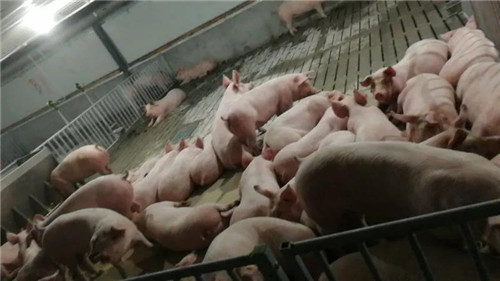
What are the monitoring operating procedures for the sow farrowing process?
What are the monitoring operating procedures for the sow farrowing process?
-
Correct Methods and Operating Steps for Injecting Pigs
Injecting pigs is the main method for preventing and treating pig diseases. The commonly used injection methods include intramuscular injection, subcutaneous injection, intravenous injection, and intraperitoneal injection. Intramuscular injection: muscle tissue is rich in blood vessels, so the injected medicinal liquid is absorbed relatively quickly; in addition, there are fewer sensory nerves distributed in muscle, so the pain caused is relatively mild, making it the most commonly used injection method. The injection site is generally chosen at the well-fleshed buttocks or neck. During injection, first clip the hair and disinfect, then hold the syringe with the right hand and insert the needle vertically. The depth can be determined according to the size of the pig, and generally
-
Correct methods and operation steps for taking a pig's temperature
A pig's body temperature usually refers to the temperature inside the pig's anus and rectum. The specific procedure is to tie a thin string about 10-15 cm long to the far end of a veterinary thermometer, and tie a small iron clip to the other end of the string for fixing. When taking the temperature, first shake the mercury column of the thermometer down below the 35°C mark with a little force, apply a small amount of lubricating oil to the thermometer, then grasp the pig's tail with one hand, hold the thermometer with the other hand and insert it into the anus slightly toward the dorsal side, and use the small iron clip to clamp and fix it to the hair above the base of the tail. After 2-3 minutes, remove the thermometer and use an alcohol cotton ball
-
Correct Methods and Detailed Operating Steps for Medicating Fish Fry Baths
Medicating fish before stocking is simple and safe, with ideal results in preventing and treating fish diseases. Here are several good methods for medicating fish fry baths. 1. Potassium permanganate bath method: Bathe in a 10-20 mg/kg potassium permanganate aqueous solution for 10-30 minutes, which can kill bacteria, protozoa, monogeneans, etc. on the body surface and gills. Potassium permanganate should be prepared and used fresh; the water used for the solution should be clean water containing relatively little organic matter, and the bath should be carried out away from light. 2. Bleaching powder bath method: 10-20
条件筛选