-

What are the 2018 banned farming zones? See if you are on the blacklist
In recent years the state has vigorously
-
Why do dogs like to bury bones?
Animals generally have a special habit, and different animals have different habits. Some animals, in order to prevent a "food shortage," store up some food in advance, and we call this habit food-storing behavior. For example, every autumn shrikes often catch insects, lizards, frogs, and other small animals they like to eat, stringing them on thorny branches or brambles so they can eat them at any time. The purpose of catching small animals and stringing them up is still to guard against a shortage of food in winter. Squirrels also have this habit. Dogs also have food-storing habits
-
Surgical Treatment Methods for Canine Bladder Stones
Bladder stones are stones that form within the bladder and are the most commonly occurring bladder condition among canine urinary tract stones, seen mostly in older dogs. The main component of the stones is mostly phosphate. In August 2005, a Pekingese dog owned by Zhang in Mishan Town, Wendeng City developed bladder stones and recovered after surgical treatment. 1 Clinical symptoms: The owner reported that this dog was female, 4 kg, 8 years old, and its daily food was mainly meat. Recently the dog's abdomen was found to be distended and it had difficulty urinating. Abdominal palpation revealed a full bladder with a sense of pain, and bladder stones were suspected in this dog.
-
Salmon Bones Become the Best Feed for Cod Farming
According to scientists' research, salmon bones are the best raw material for cod feed. The scientists revealed that wild cod eat large amounts of crustaceans rich in minerals, and this dietary structure can absolutely be carried forward in aquaculture. After the scientists added salmon bones rich in minerals to the feed, farmed cod showed a greatly increased appetite and faster growth. Compared with fish fed normal feed, cod fed feed supplemented with 20% salmon bone meal can grow 10% faster. In addition, in
-
Detailed Explanation of Surgical Treatment Methods for Canine Urethral Stones
1 Case Description A white Pekingese dog, male, 2.5 years old, weighing 8 kg, kept by a dog owner in Zhichunli, Haidian, Beijing. According to the pet owner: the dog initially showed signs of difficulty urinating, frequent urination, with only a few drops each time. It had been seen at another pet clinic and underwent a puncture once, which slightly relieved the symptoms, but the next day it was no better, and although furosemide was used, it was still ineffective, with the symptoms becoming more severe. In the morning, it was observed making urination postures but no urine was passed, and the dog was in obvious distress. Therefore, it was brought to our hospital for treatment. 2 Clinical Examination The dog's abdomen
-
What are the treatment methods for urinary stones in pigs?
Causes: Urolithiasis, also known as urinary stones or urethral stones, is a concretion of salt crystals in the urinary tract, causing mucosal irritation, bleeding, inflammation, urethral obstruction, difficulty urinating and abdominal pain. Urinary stones originate in the kidney or bladder, while obstruction can occur in the ureters and urethra. This disease is mainly closely related to the quantity and quality of feed and drinking water, the state of mineral metabolism in the body, and the functional activity of the urinary organs, especially the kidneys. Symptoms: If the urinary stones are small in size and few in number, generally no symptoms appear. In severe cases, the main signs are uri
-
How to Tell Healthy Chickens from Sick Ones? 5 Practical Methods
How to tell healthy chickens from sick ones is very important for avoiding economic losses. Here are several identification methods: 1. Look at the feathers: healthy chickens have glossy plumage, bright red combs and wattles, and soft, smooth, evenly close-lying feathers all over the body that feel soft and smooth to the touch. Sick chickens have loose, rough, lusterless feathers with no soft feel, and their combs and wattles are dark red, pale white, or purplish black. 2. Look at the demeanor: healthy chickens are energetic, with a well-proportioned body, alert minds, loud voices, heads held high
-
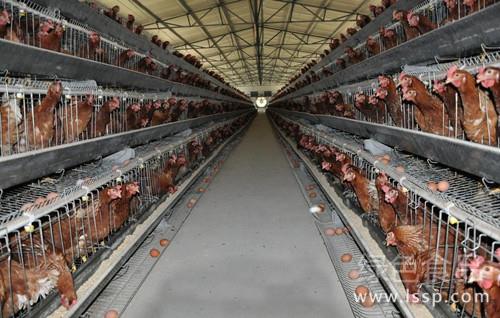
How to prevent and treat cage layer fatigue? Soft-shelled and thin-shelled eggs, difficulty standing, fragile bones
Soft-shelled and thin-shelled eggs, difficulty standing, fragile bones: prevention and treatment of cage layer fatigue
条件筛选