-
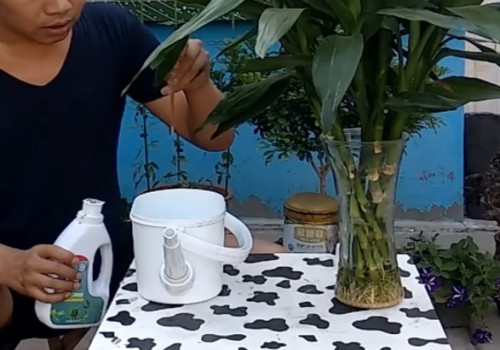
How to fertilize hydroponic lucky bamboo correctly? A detailed guide to the method
Many plant lovers enjoy growing lucky bamboo in water, but some people's hydroponic lucky bamboo never develops yellow leaves all year round, while others' hydroponic lucky bamboo often develops yellow leaves. So what is going on here? First, we need to understand
-
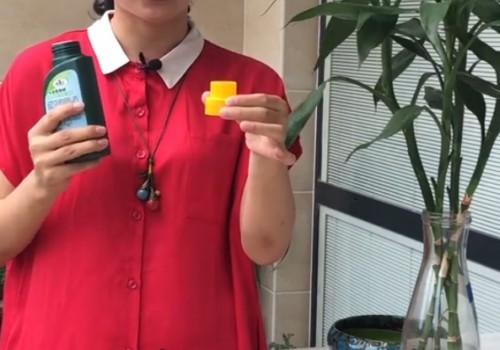
How to fertilize hydroponic lucky bamboo? These tips you need to master
Hydroponic lucky bamboo is not only clean and hygienic, but also looks very nice when used to accent a home environment. It is just that hydroponic lucky bamboo grows a bit more slowly than soil-cultured lucky bamboo, since water does not contain as many nutrients as soil. In soil, even without fertilizing, there are still plenty of trace elements available for the plant to absorb
-
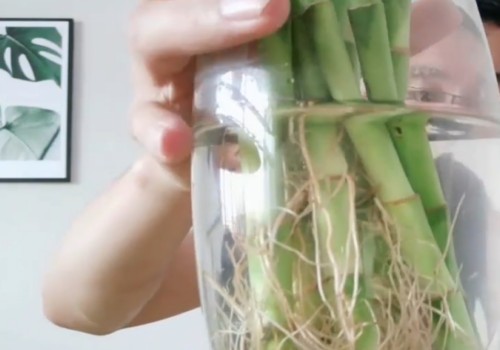
What fertilizer is best for lucky bamboo grown in water? Key care tips to share
Compared with ordinary soil-grown potted plants, hydroponic plants tend to have fewer nutrients available, so if you want to grow hydroponic plants well, you need to replenish nutrients regularly. As for soil-grown plants, even if we do not fertilize often, the potting soil will still contain quite a few nutrients.
-
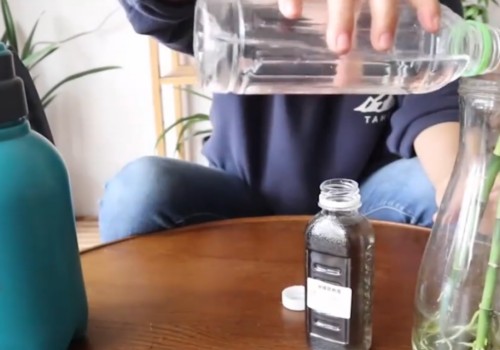
The correct way to fertilize hydroponic lucky bamboo
As everyone knows, lucky bamboo can be grown either hydroponically or in soil. Compared with soil-grown lucky bamboo, hydroponic lucky bamboo keeps the environment cleaner and is easier to manage. But at the same time, hydroponic lucky bamboo also has its shortcomings: it grows more slowly than soil-grown plants and is also more prone to yellowing leaves. So
-
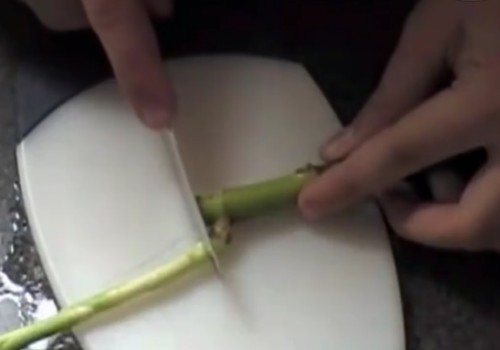
How to propagate a single Lucky Bamboo? The method is actually very simple
Lucky Bamboo can be grown not only in soil but also in water. But whether in soil or water, we first need to obtain Lucky Bamboo plantlets. So we need to master the propagation method for Lucky Bamboo. So how do you propagate a single Lucky Bamboo? Actually, we can achieve this through cuttings.
-
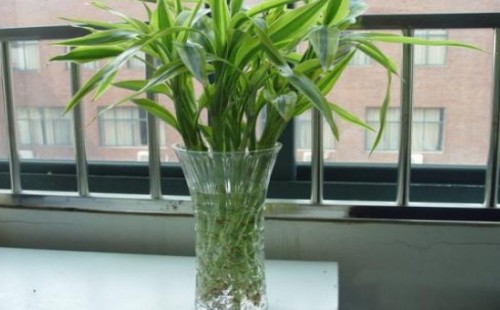
What kind of vase is better for growing lucky bamboo in water
Lucky bamboo, which many people like to call "fortune bamboo", when grown at home not only has extremely high ornamental value and an auspicious meaning, but can also help purify indoor air. Moreover, lucky bamboo can be grown not only in soil pots but also in water! However, when some gardeners grow lucky bamboo in water
-
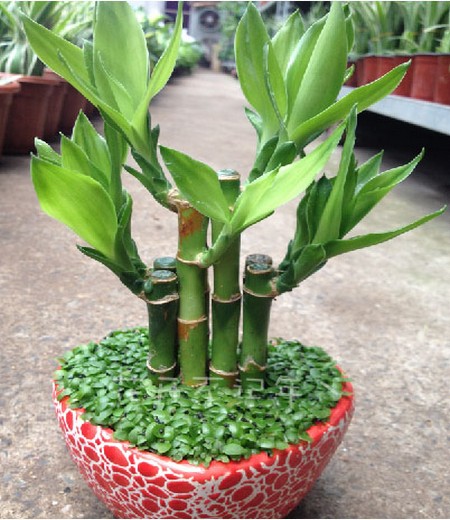
How to grow Lucky Bamboo in pots? Growing methods and precautions
Lucky Bamboo (Dracaena sanderiana) requires loose, fertile soil; avoid clay or alkaline soil. For pot cultivation, you can use leaf mold, garden soil and river sand. Its management requirements are relatively simple, and it grows well whether in pots or in water. When potting, you can cut a stem about 10cm long and insert it into moist, loose soil, keeping the potting soil from drying out.
-

How to grow lucky bamboo so it thrives? Master these care tips
In China there is the well-wishing phrase "flowers bloom for prosperity, bamboo heralds peace." Because lucky bamboo (Dracaena sanderiana) has slender stems and leaves, is graceful and elegant, and is richly imbued with the charm of bamboo, it is very popular. Lucky bamboo is easy to manage, has few pests and diseases, is easy to cultivate, and symbolizes great good fortune and prosperity. Lucky bamboo is suitable as a small potted plant, used to decorate bedrooms, studies, living rooms, and other places.
-
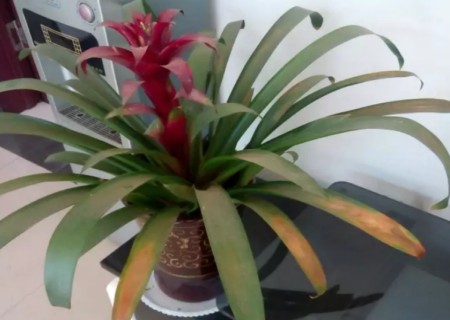
What should you do if the leaves of a lucky bromeliad potted plant turn yellow and curl?
The lucky bromeliad, also commonly known as the bromeliad, blooms at the top or middle of the plant, with lush flowers and leaves and bright red blossoms, giving off a very festive air. It is precisely because this bromeliad family plant is covered with red flowers at the top that it borrowed the idiom "Hong Yun Dang Tou" (good fortune is at its peak) for its name, meaning good luck.
-
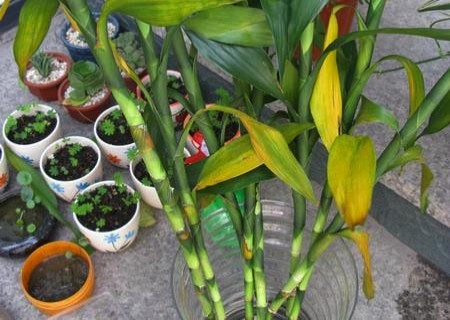
How to grow lucky bamboo so it roots easily and does not get yellow leaves
Many gardening friends encounter yellow leaves in the early stages of growing lucky bamboo, and even with frequent water changes and removal of yellow leaves, it often still does not help. Actually, as long as we observe carefully, we can often spot some clues, and by following these traces we can find the causes of and solutions for yellow leaves on lucky bamboo. Usually
条件筛选