-
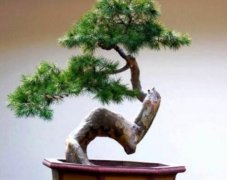
Can Lacebark Pine Be Made into Bonsai? Latest Prices and Medicinal Value Introduction
Lacebark pine (Pinus bungeana) is a plant commonly used for landscaping, but this plant also has high medicinal value. What medicinal value does it have? Many people say that the seedlings of lacebark pine and black pine are very similar, so can lacebark pine be made into bonsai? Lacebark pine
-

Lacebark Pine Cultivation and Management Techniques: How to Plant Lacebark Pine Seedlings
The lacebark pine (Pinus bungeana) is a tree species that loves light and fertilizer, and is currently relatively common in Shanxi and other places in our country. The lacebark pine has certain economic uses and medicinal value, so it is deeply loved by consumers. Nowadays many people want to plant this tree, but before planting
-
One Article to Understand the Value and Sapling Prices of the Lacebark Pine
Pine trees have been a symbol of longevity and good fortune in our country since ancient times, and they are also superb in poetry, calligraphy and painting. Legend has it that Qin Shi Huang even granted official titles and ranks to two ancient pine trees, bestowing on them the title "Five Great Officers Pine." There are many varieties of pine trees on the market, and the lacebark pine (Pinus bungeana) is one of them.
-
How much does a Lacebark Pine seedling cost? Detailed explanation of bonsai-making methods
Lacebark Pine (Pinus bungeana) is a plant in the Pinaceae family, reaching up to 30 m in height with a diameter at breast height of up to 3 m. Its tree form is graceful and its bark is unusual; it can be planted singly, in pairs, or in groups, used as a street tree, or grown in courtyards, and its ornamental value is very high. So, how much does a Lacebark Pine seedling cost per plant
-
The Latest Technical Methods and Tutorial for the Prevention and Control of Pests and Diseases of the Lacebark Pine
The lacebark pine, also known as the white-bone pine, three-needle pine, white-fruit pine, tiger-skin pine, etc., is a tree species endemic to China, growing in zones at an altitude of 500-1800 m. Its wood is generally used for construction and for making furniture, stationery, etc., its seeds can be eaten or pressed for oil, and its cones are used as medicine, giving it relatively high cultivation value.
-
What is the planting prospect for Lacebark Pine? Latest analysis
Lacebark Pine (Pinus bungeana) is an evergreen tree of the genus Pinus in the family Pinaceae, reaching up to 30 m tall. The bark of young trees is grayish green, while that of old trees is grayish brown or grayish white, revealing pink inner bark after the scales peel off. The tree has a graceful form and distinctive bark, making it suitable for ornamental viewing. Its wood can be used for house construction, furniture, stationery and other timber uses.
-
A Complete Analysis of the Latest Propagation Methods for Lacebark Pine
Lacebark pine is a tree species endemic to China. It is a light-demanding species, tolerant of poor soils and relatively dry, cold climates. It grows well on cool, mild sites with deep, fertile, moisture-retentive calcareous soils and loess soils, and has extremely high cultivation value. Its propagation methods include seed propagation, cutting propagation,
-
Where is the latest distribution of the native habitat of the lacebark pine?
The lacebark pine is also known as white bone pine, three-needle pine, white fruit pine, tiger skin pine, coiled dragon pine, etc. It is an evergreen tree of the genus Pinus in the family Pinaceae. The bark of young trees is grayish green, while that of old trees is grayish brown or grayish white, with pink inner bark exposed after the flakes fall off. The wood is easy to process, has beautiful grain, and is
-
How to Plant Lacebark Pine Seeds? A Detailed Guide to the Latest Planting Methods
Lacebark pine (Pinus bungeana) is a tree species endemic to China, also known as white-bone pine, three-needle pine, white-fruit pine, etc. It is light-loving, tolerant of poor soil and relatively dry, cold climates, and grows well in cool climates on deep, fertile, moist calcareous and loess soils. It can be propagated by seed, cuttings,
-
How to Make a Lacebark Pine Bonsai? A Detailed Guide to the Latest Method
Lacebark pine bonsai is generally described with four words: old, green, strong, and unusual. The word "unusual" holds considerable weight in how lacebark pine bonsai is expressed; because it adapts to the natural environment while also being highly resistant, overcoming interference from unfavorable external factors, as time passes
条件筛选