-
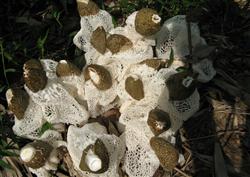
A detailed guide to bamboo fungus (Dictyophora indusiata) cultivation techniques, teaching you how to grow bamboo fungus well
Bamboo fungus cultivation can be carried out by referring to the following methods: 1. Field spawn production. As long as growers purchase bamboo fungus raw materials, they can make their own cultivation spawn at the field edge. From late December to early January, choose a corner of the field and prepare a compost bed for breeding. Use 80% mixed wood sawdust and 20% wheat bran as the culture medium for bamboo fungus spawn, add 110% water, then put it into woven bags, sterilize under normal pressure for 10 hours, take it out and flush water into the bags with clean water to let it drain, then mix in 1% gypsum powder, pile it onto the breeding bed, adopt the method of 2 layers of material and one layer of spawn sowing, and sprinkle some spawn on the surface of the last layer of material. For each sq m of bed, use 20 kg of dry material and 3-4 bottles of bamboo fungus stock spawn. To cultivate 100 sq m of area, only 4 sq m of field spawn production is needed, equal to 25:1. After sowing, cover the surface with woven bags, shade with rice straw, and finally cover with film supported by bamboo strips arched over. After sowing, uncover the film for ventilation once every 3-5 days. After 40-50 days of cultivation, when the mycelium covers the material pile, it becomes field bamboo fungus spawn.
-
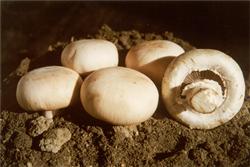
What is Agaricus bisporus green mold? A complete guide to this disease
What is Agaricus bisporus green mold? An introduction. Agaricus bisporus green mold, commonly known as green mold, is one of the main and most common contaminant fungi in mushroom production. Trichoderma can infect mushrooms at every stage of production. Trichoderma has a strong ability to decompose cellulose and can produce toxins that inhibit the formation and growth of mycelium and fruiting bodies...
-
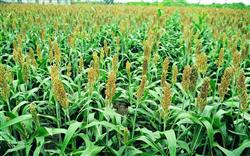
What to Do If Sorghum Lodges? A Detailed Guide to Scientific Remedial Methods
What should be done if sorghum has lodged? Please give guidance. If root lodging occurs in sorghum, it can be straightened immediately: use the stalks' own leaves to tie 3 to 5 plants together, tying the crossing point of two rows at the middle-to-upper part of the plants, so that each plant has a certain slant, and the heads should not overlap or press against each other but should be spread apart in a crossing pattern. When tying and propping, use as few leaves as possible to protect the functional leaves below the heads from damage...
-

When Is the Cotton Planting Time? A Detailed Guide to the Best Sowing Period
Cotton is the seed fiber of plants in the Gossypium genus of the Malvaceae family. Its place of origin is the subtropics. It was first introduced to our country for cultivation at the end of the 19th century, and it has already been widely cultivated in all cotton-producing regions nationwide, and has replaced tree cotton and herbaceous cotton. At present, the countries with the highest cotton yields in the world are China, the United States, India, Brazil, Mexico and other places
-
How to Grow Cotton? A Detailed Guide to Cultivation Techniques and Field Management Key Points
Cotton is one of the world's most important crops. Its high yield and low production cost keep cotton products relatively inexpensive. It can be made into fabrics of many specifications, from lightweight, transparent voile to heavy canvas and thick velveteen, suitable for making all kinds of clothing, household fabrics and industrial fabrics. It is also an important nectar-source plant.
-

-

What do river snails eat? A detailed guide to the feeding habits of river snails
What do river snails eat?
-

How to Treat White Eye Disease in Red-Eared Sliders? A Detailed Guide to Treatment Methods
How to Treat White Eye Disease in Red-Eared Sliders
-

How Big Can the King Rat Snake Grow? A Detailed Guide to Adult Body Length and Weight
How big can the king rat snake grow?
-

条件筛选