-
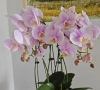
How to Grow Phalaenopsis Orchids in Humid Regions? A Detailed Guide to Care Methods
If you want to grow Phalaenopsis orchids with lush foliage and a bursting display of blooms in humid regions, you really need to learn the wet-culture method. But use the wrong approach, and you may end up killing the plant instead. Below is a breakdown of exactly how to do it, plus some really important precautions. I. Wet-Culture Methods (1) The Pouring Method When watering Phalaenopsis orchids, never just dump
-

A Detailed Guide to the Flowering Conditions and Flower-Promoting Fertilization Methods for Phalaenopsis
The Phalaenopsis (moth orchid) has an elegant posture and brilliant colors, making it an excellent choice for indoor ornamental flowers. However, under what conditions can a Phalaenopsis successfully bloom? And what kind of fertilizer should be applied to make the flowers bloom more abundantly and vibrantly? A deep understanding of these questions is the key to cultivating a Phalaenopsis that blooms in profusion. Temperature is an important factor affecting the
-

When to Use Fertilizer Solution for Phalaenopsis Orchids? A Detailed Guide to the Correct Method
Phalaenopsis, a highly popular ornamental flower. If you want your Phalaenopsis to grow vigorously and bloom abundantly, using fertilizer solution at the right time and in the right amount is crucial. So, when should you give Phalaenopsis fertilizer solution, and how should you use it? Before understanding the timing and methods of use, we need to first understand the growth characteristics of Phalaenopsis. Phalaeno
-

A Detailed Guide to Phalaenopsis Division Methods and Root and Leaf Number Requirements
When the Phalaenopsis in your home grows lush and full, propagating it by division not only increases the number of plants but also promotes the healthy growth of both the mother plant and the new plants. However, the division process requires mastering scientific methods, especially the control of root and leaf numbers, which directly relates to the success rate of division. Phalaenopsis division should be carried out when the plant is growing vigorously and
-

How Long After Dividing a Phalaenopsis Should You Fertilize? A Detailed Guide to Fertilizing Methods
When it comes to caring for Phalaenopsis orchids, especially fertilizing management after division, many flower lovers may not be very familiar with it. Division propagation is a common method for cultivating new plants, and fertilizing management after division is a key part of ensuring healthy growth of Phalaenopsis orchids. Mastering the correct fertilizing timing and methods can let Phalaenopsis orchids thrive after division
-
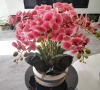
A Detailed Guide to Taboos and the Best Locations for Placing Phalaenopsis Orchids in the Living Room
It is often said that Phalaenopsis orchids symbolize wealth and good fortune, but if you place them in the wrong spot, not only will they fail to grow well, but their symbolic meaning will be greatly diminished. Today, let me share with you a guide to the pitfalls of placing Phalaenopsis orchids in the living room. Follow these tips, and your flowers will bloom abundantly and good fortune will come your way. 1. Missteps to Avoid 1. Do not place them in strong light or dark corners. Phalaenopsis orchids prefer bright, indirect light.
-

Can bud-promoting paste make Phalaenopsis grow flower spikes? A guide to the correct use
Someone asked: "My Phalaenopsis at home only grows leaves and won't bloom. Can bud-promoting paste make it sprout a flower spike?" And anxious beginners who just got into the hobby ask: "I bought the bud-promoting paste and brought it home, so how do I use it without 'messing up'?" First, let's talk about what bud-promoting paste is. Put simply, it's like a "growth accelerator" for Phalaenopsis; its main ingredient is plant hormones, and it can stimulate the plant to grow new lateral buds. But remember! Bud-promoting paste is not the same as a bloom-promoting agent; its job is to promote small buds, which is a completely different matter from forcing flower spikes! It's like asking a fitness trainer to help you build muscle and expecting him to also run a marathon for you along the way.
-

Lazy Person's Guide to Phalaenopsis: Choosing Between Bark and Sphagnum Moss and Their Differences
Growing flowers is all about avoiding hassle! Many lazy friends want to grow Phalaenopsis (moth orchid) but worry it takes too much effort, especially when it comes to choosing potting medium: should you use bark or sphagnum moss? Is the difference between them big? Today, from a "lazy person's perspective," let's talk about how to choose so that growing flowers is easy and worry-free! First, let's talk about sphagnum moss. Sphagnum moss absorbs water like
-
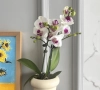
Detailed Guide to Watering Methods and Techniques for Phalaenopsis in Root-Control Pots
Do beginners always end up with root rot when growing Phalaenopsis? The key may lie in how you water a root-control pot. Today I'm sharing super-detailed care tips, teaching you step by step how to get your orchid's roots to grow in an explosive, pot-busting way. Phalaenopsis is native to growing epiphytically on tree trunks and rocks, nourished by air humidity and rainwater; when growing it in a root-control pot, you need to precisely replicate that wet-dry cycle and refuse to let water accumulate.
-

Should the original sphagnum moss be removed when repotting Phalaenopsis seedlings? A detailed guide to the potting method
Many flower lovers who grow Phalaenopsis seedlings get worried when it comes to repotting: should the original sphagnum moss be removed? How should you pot them so the seedlings survive well? Here are the key points straight away. Should the original sphagnum moss be removed or not? The answer is it must be removed, but not all of it! Phalaenopsis is an aerial-root plant, and in its native environment it relies on loose
条件筛选