-

The Latest Detailed Guide to the Flower Language and Legends of the Dandelion
Dandelions grow by the roadside and beside ponds, and are flowers we see all the time. When autumn comes, dandelions drift away with the wind, looking especially beautiful. But do you know what the flower language of the dandelion is? What stories and legends surround the dandelion? Let us take a look together below.
-
What is the flower language of Angelica dahurica? The latest flower language meaning analysis
Angelica dahurica is a tall perennial herbaceous plant, often growing under forests, at forest edges, beside streams, in thickets and valley areas. It is mostly cultivated for medicinal use in the northern provinces of China. The flowering period of Angelica dahurica is July-August. Does the Angelica dahurica flower actually have a flower language? What is the flower language of Angelica dahurica? Let's take a look together below
-
What is the latest meaning of the datura flower language?
The flower language of the datura flower is boundless love and revenge, representing unpredictable death and love. The datura plant is tall, with large and beautiful flowers. Common types include fragrant datura, red-flowered datura, white-flowered datura, and others. The whole plant is toxic, with the fruit and especially the seeds being the most toxic
-
Latest Analysis of the Flower Language and Legends of the Balloon Flower
Anyone who has seen Inuyasha knows that Kikyo is the name of the female protagonist in it. In everyday life, the balloon flower is an ordinary flower, yet it is also a medicinal herb used in traditional Chinese medicine. Among the people, the flower language and legends of the balloon flower have always been passed down, and a thought-provoking story unfolds just like this.
-
What is the flower language of the peony? Latest symbolic meaning interpretation
The peony is hailed by people as the "Flower Fairy" and the "Flower Minister," and is listed as one of the "Six Great Famous Flowers." It is also called the "May Flower God." Because it has been regarded as the flower of love since ancient times, it is now revered as the representative flower of the Qixi Festival. Below, let us take a look at the flower language and legends of the peony. Peony flower
-
Camellia Flower Language and Introduction of Varieties with Good Development Prospects
Camellia, also known as the camellia flower, is often seen planted in large quantities in gardens. Because the camellia is very beautiful and elegant, it has good ornamental value. Of course, as one of China's ten famous flowers, the value of the camellia goes far beyond its "looks"; it is also very good in
-
What is the flower language of azaleas? What varieties of azaleas are there?
The azalea is an evergreen shrub flower plant, much loved and welcomed by people. Its flower colors vary, including red, light red, apricot red, snow blue, and white. The corolla is funnel-shaped. It is often used in parks for visitors to admire and has very high ornamental value, and
-

What is the flower language and symbolism of the Swiss cheese plant?
The Swiss cheese plant (Monstera deliciosa) is a southern vegetation; it frequently appears by garden ponds and in hotel lobbies. Its leaves are very peculiar in shape, with many splits on the leaf surface, looking much like a turtle's shell from a distance, while its stem grows like bamboo, hence its name. By associating the extended meaning of its name, one can understand that its flower language is related to health and connected to longevity! So today let us dig deeper into its flower language: health and longevity!
-
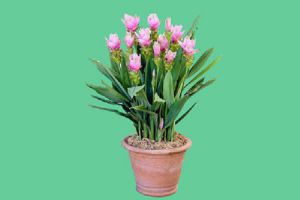
What are the flower language and legendary meaning of the Siam tulip?
The Siam tulip is not actually a lotus, but a type of ginger; it got its name only because it looks like a lotus. It is beautiful in appearance, elegant yet noble, and everyone likes it very much. People also pay close attention to the meaning of its flowers and its legends, so today let's talk about them.
-
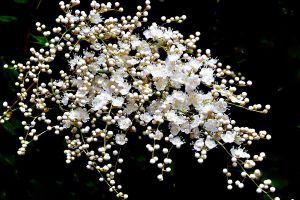
What is the flower language of Sorbaria sorbifolia? A full analysis of its meaning and symbolism
Sorbaria sorbifolia is a shrub that can grow up to 2 m tall. Because its flower buds look like pure white pearls when it blooms, and its flower shape is similar to that of plum blossoms, it is called pearl plum. This flower has extremely high ornamental value; whether planted in a courtyard or in a flowerbed, it is a fresh and elegant sight. Today, the editor brings you the flower language of Sorbaria sorbifolia.
条件筛选