-

Detailed Tutorial on the Latest Cultivation Techniques and Methods for Ephedra
Ephedra, also known as Caomahuang (Ephedra sinica), Huamahuang, etc., is a herbaceous shrub plant of the genus Ephedra in the family Ephedraceae. There are three species: Ephedra sinica, Ephedra equisetina and Ephedra intermedia. It grows 20-40 cm tall, with short or prostrate woody stems. In China it is produced in Liaoning, Jilin, Inner Mongolia, Hebei, Shanxi, He
-
Detailed Introduction to the Latest Planting Methods for Ephedra
Ephedra is a traditional medicinal herb used to treat asthma, colds, wind-cold, low blood pressure, and to induce sweating and dispel cold, except that the state now exercises very strict control and regulation over the cultivation of Ephedra, because it is also a raw material for making drugs, just like datura
-
A Detailed Explanation of Ephedra's Benefits, Effects and Side Effects
Ephedra, also known as Cao Ma Huang or Hua Ma Huang, is a medicinal herb listed in the Pharmacopoeia of the People's Republic of China. Its medicinal source is the dried herbaceous stem of the Ephedraceae plants Ephedra sinica, Ephedra intermedia, or Ephedra equisetina. The green herbaceous stems are harvested in autumn and dried in the sun. It is warm in nature, pungent and slightly bitter in taste, and has the
-
What side effects does the medicinal plant Ephedra have? Introduction to cultivation techniques and pharmacological uses
Ephedra, also known as Chinese ephedra, is used as an herbal medicine, and its medicinal source is the dried herbaceous stems of the Ephedraceae plants Ephedra sinica, Ephedra intermedia, or Ephedra equisetina. So what side effects does Ephedra have? What are the effects of Ephedra? What are the pharmacological uses of Ephedra? Cultivation of Ephedra
-
Which regions are the main producing areas of ephedra distributed in?
Ephedra is a perennial herbaceous shrub-like small shrub of the Ephedraceae family, used medicinally for relieving cough, relieving asthma, expelling phlegm and inducing sweating; it is also a raw material for making methamphetamine, and the state prohibits its free trade. So, where are the ephedra producing areas? 1. Ephedra producing areas Ephedra
-
What is the difference between Ephedra and horsetail? A quick guide to telling them apart
Ephedra is a shrub, subshrub or herbaceous form, rarely a twining shrub, 5 cm to 2.5 m tall, up to 8 m at most. It branches profusely, with branchlets opposite or whorled, dioecious, with 1-3 seeds. Horsetail, by contrast, is a perennial herb, single or clumping, up to 70 cm tall, with
-
What is the difference between horsetail and ephedra? A quick guide to tell them apart
Horsetail is a grass that grows in segments, commonly seen along roadsides and hillsides, with some landscaping value and medicinal uses. So what is the difference between horsetail and ephedra? 1. What is the difference between horsetail and ephedra? Horsetail is a perennial herb
-
-
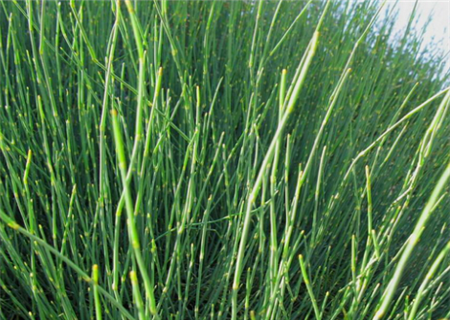
What side effects does the medicinal plant Ephedra have? Introduction to cultivation techniques and pharmacological uses
What side effects does Ephedra have? Ephedra poisoning initially manifests as symptoms of central nervous system and sympathetic nervous system excitation, such as restlessness, nervousness, headache and dizziness, tinnitus and insomnia, nausea and vomiting, upper abdominal discomfort, thirst and sweating, elevated blood pressure, dilated pupils, palpitations and shortness of breath, and precordial pain
-

条件筛选