-

Symptom Identification and Control Methods of Walnut Bacterial Blight
1. Distribution and Occurrence Characteristics Widely distributed in walnut-producing areas such as Hebei, Shandong, Shanxi, Liaoning, Henan, Jiangsu, Zhejiang, Sichuan, Yunnan, Shanxi, and Gansu, with severe incidence in some areas. Infection generally begins in mid-to-late May. The pathogenic bacteria overwinter in the lesions of diseased branch tips or in diseased buds. In the spring of the following year, the bacteria spread by wind and rain splashing onto leaves, fruits, and young branches, causing damage. The pathogen can infect floral organs, so pollen can also carry the bacteria, and insects are also vectors. The bacteria invade through stomata, lenticels, nectaries, and various wounds. Under conditions of sufficient humidity, temperatures within the range of 4-30°C can cause infection of leaves, and 5-27°C can cause infection of fruits. The incubation period varies in different parts: 5-34 days on fruits and 8-18 days on leaves.
-
What Are the Symptoms of Walnut Anthracnose? A Detailed Guide to Prevention and Control Methods
1. Distribution and occurrence characteristics Walnut anthracnose generally occurs mostly from June to August, with slight variations from place to place. In Jiangsu, Henan and Shandong it occurs from late June to early July, and in Hebei and Liaoning in August. The pathogen overwinters as mycelium and conidia in diseased fruits, diseased leaves or bud scales, and the following
-
Where is the origin of cacti? A comprehensive analysis of distribution factors
Most people are familiar with the cactus species, but know little about its place of origin. In fact, most plants in the cactus family are native to the Americas. In North America and South America, they are widely distributed from Canada to the Patagonia region of Argentina. They have gradually
-
A Detailed Guide to Walnut Cultivation History and Production Area Distribution
The Origin of the Walnut The walnut is a large deciduous tree native to the ancient Persia (present-day Iran) region in the heart of Asia. In recent years, archaeologists discovered carbonized walnuts among the artifacts unearthed at a primitive society site (Neolithic Age) in Cishan Village, Wu'an, Hebei, and also found abundant walnut and hickory pollen in the lacustrine sediments of Nyainqentanglha in Tibet, proving that China is one of the native centers of the walnut in the world.
-
Where are the main onion-producing areas in China?
Onions are a long-day crop, and without sufficient sunlight, onion yields will be greatly reduced. Onions have moderate requirements for water and air humidity, and the ideal soil for cultivation should be loose, fertile, neutral soil with good aeration. The growth of onions
-
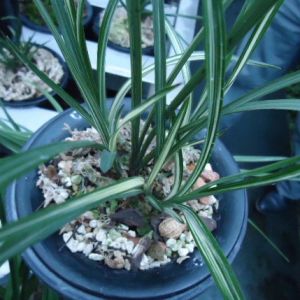
What are the issues concerning the flow and distribution of premium hybrid orchids?
Chuanjiabao, also known as "China's Pride," has evolved into a particularly striking porcelain-white variegated form. I have never seen its flower.
-
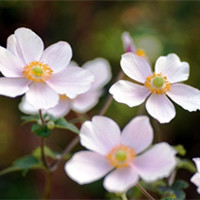
Introduction to the Growth Habits and Main Distribution Areas of Japanese Anemone
Japanese anemone is not an autumn peony, nor is it a type of camellia. It is a plant in the Ranunculaceae family, and its blooms are quite delicate. It originated in our country.
-
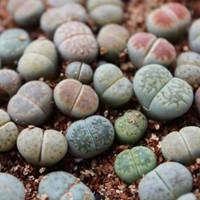
A Detailed Guide to the Distribution and Growth Habits of Lithops pseudotruncatella
Lithops pseudotruncatella is a succulent in the genus Lithops of the family Aizoaceae, and is a small variety among living stones. Its body is egg-shaped, often growing in clusters of around 20 heads, with pale gray-blue spherical leaves and distinct brown-green tree-branch-like markings on top.
-
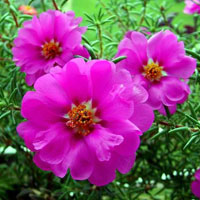
A Detailed Guide to the Distribution Range and Growth Habits of Scutellaria barbata
The "un-killable" Scutellaria barbata: Scutellaria barbata is the moss rose. The flowers of Scutellaria barbata always open after sunrise and then wither in the afternoon; on overcast days, they do not begin to wither until evening, and they bloom from late June to August each year.
-
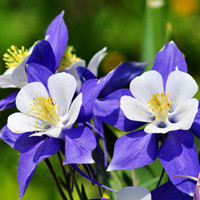
Detailed Explanation of the Distribution Range and Growth Habits of Columbine
Columbine (Aquilegia) - if you have ever seen its flowers, you will surely be captivated by their beauty. It would truly be a pity not to grow one or two of these beautiful flowers!
条件筛选