-

How to deal with odorous roots in Phalaenopsis?
During Phalaenopsis care, many flower growers encounter a troubling problem - the roots of Phalaenopsis give off an unpleasant odor. This odor not only affects the indoor environment, but also signals hidden dangers to the plant's health. To effectively solve the problem, you must first identify the root cause of the odor, then "treat the cause accordingly." The most common causes of root odor
-
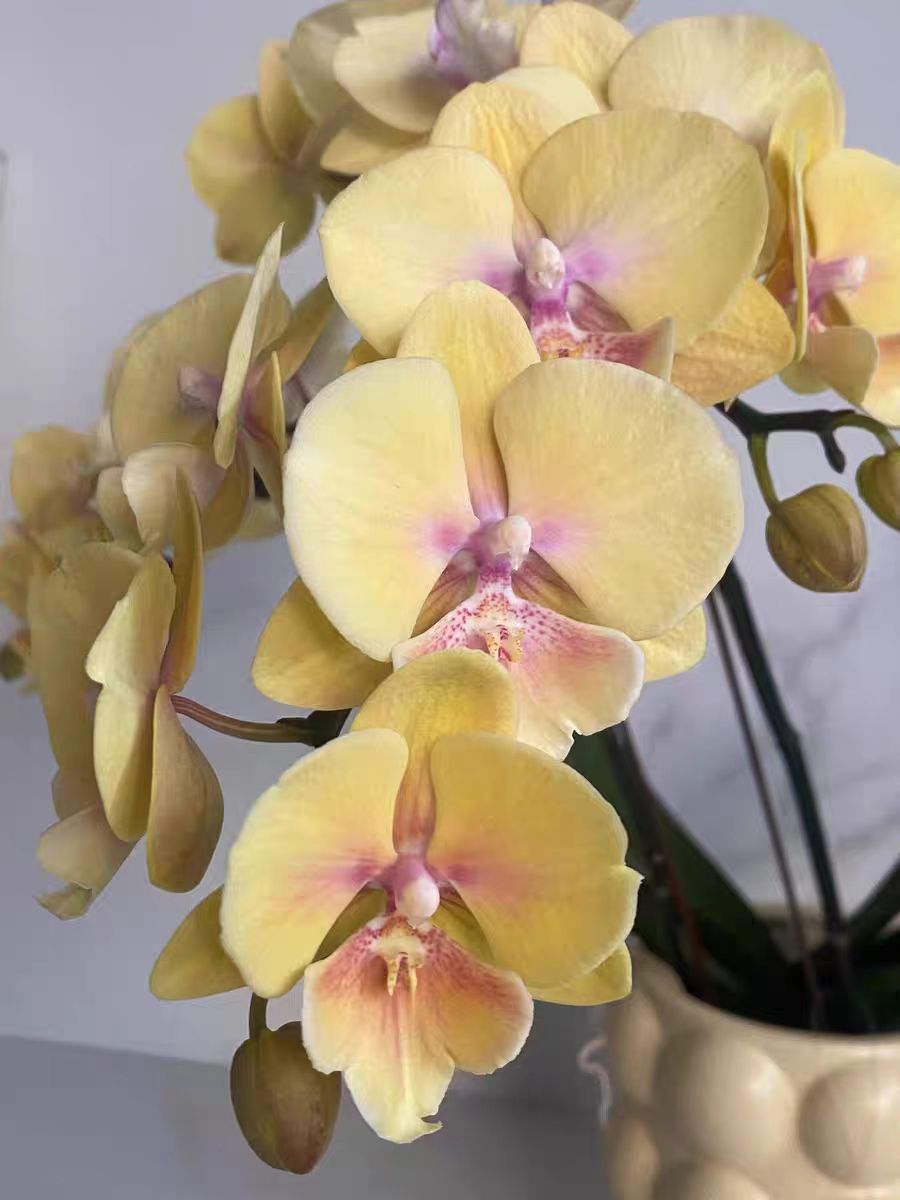
How to Deal with Sunburned, Yellowed and Withered Leaves of Phalaenopsis?
Phalaenopsis has emerald-green and thick leaves, which are essential for supporting its elegant flower posture. However, as a flower sensitive to light, its
-
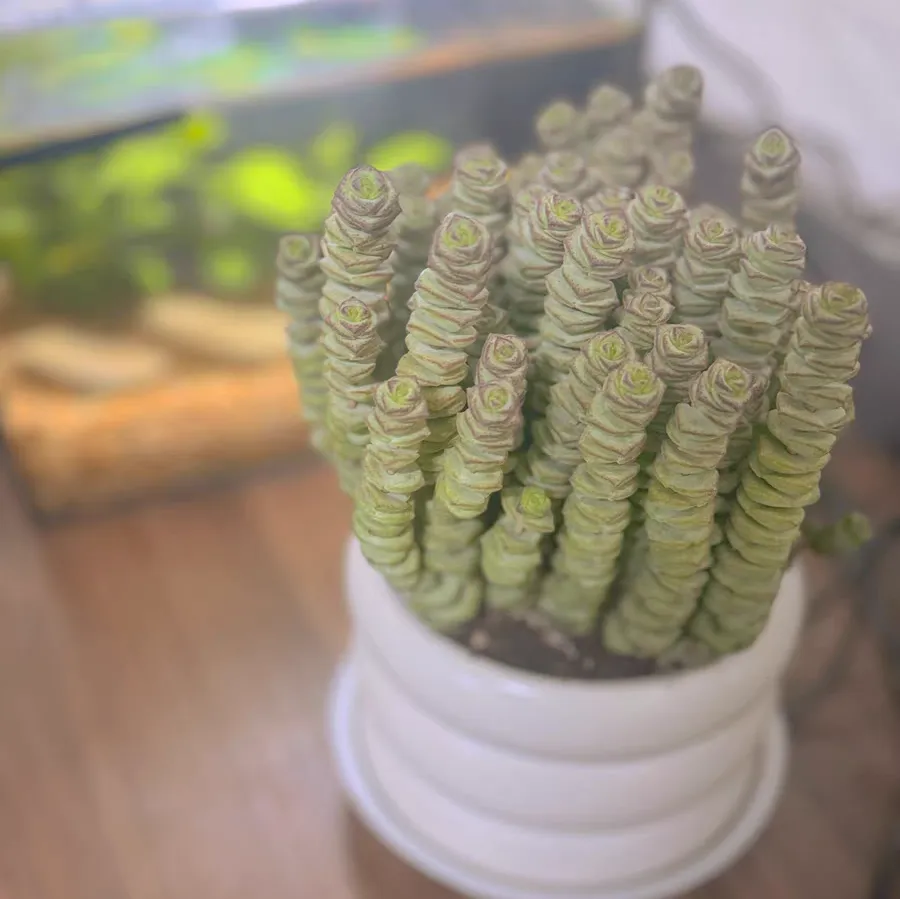
How to deal with succulents when they bloom
When the succulents at home suddenly bloom, are you both surprised and worried? Don't worry. In fact, the blooming of succulents is a natural phenomenon in the
-

Signs of Poor Drainage in New Potting Soil for Phalaenopsis and How to Deal With It
Poor drainage in new potting soil is a common problem during Phalaenopsis (moth orchid) care. If not dealt with in time, it can seriously affect the growth and health of the plant. Understanding the signs of poor drainage and mastering the correct solutions is the key to helping Phalaenopsis thrive. Signs of poor drainage in new potting soil for Phalaenopsis: yellowing leaves
-

How to deal with the flower spike of a Phalaenopsis orchid after the blooming period?
For Phalaenopsis orchids, once the flowers fade, dealing with the flower spike becomes a matter that needs attention. So, what should you do with the stem after a Phalaenopsis has finished blooming? And how should the flower spike be handled after the Phalaenopsis blooming period? After the flowers of a Phalaenopsis fade, the first thing to do is to prune the flower spike. The purpose of pruning is to remove the spent flowers and withered flower spike, so as to reduce nutrient consumption while keeping the plant tidy and healthy.
-

Why Phalaenopsis Orchid Leaves Turn Yellow and How to Deal With It: Should Bottom Yellow Leaves Be Cut Off?
I believe anyone who has grown a Phalaenopsis orchid has surely had this doubt: "As it grows, the stems start leaning this way and that, some buds on the stems dry out and lose their moisture, and even some leaves feel soft and floppy to the touch, which looks quite uncomfortable." In terms of care, when you run into a situation like this, is it better to leave them, or just cut them off?
-
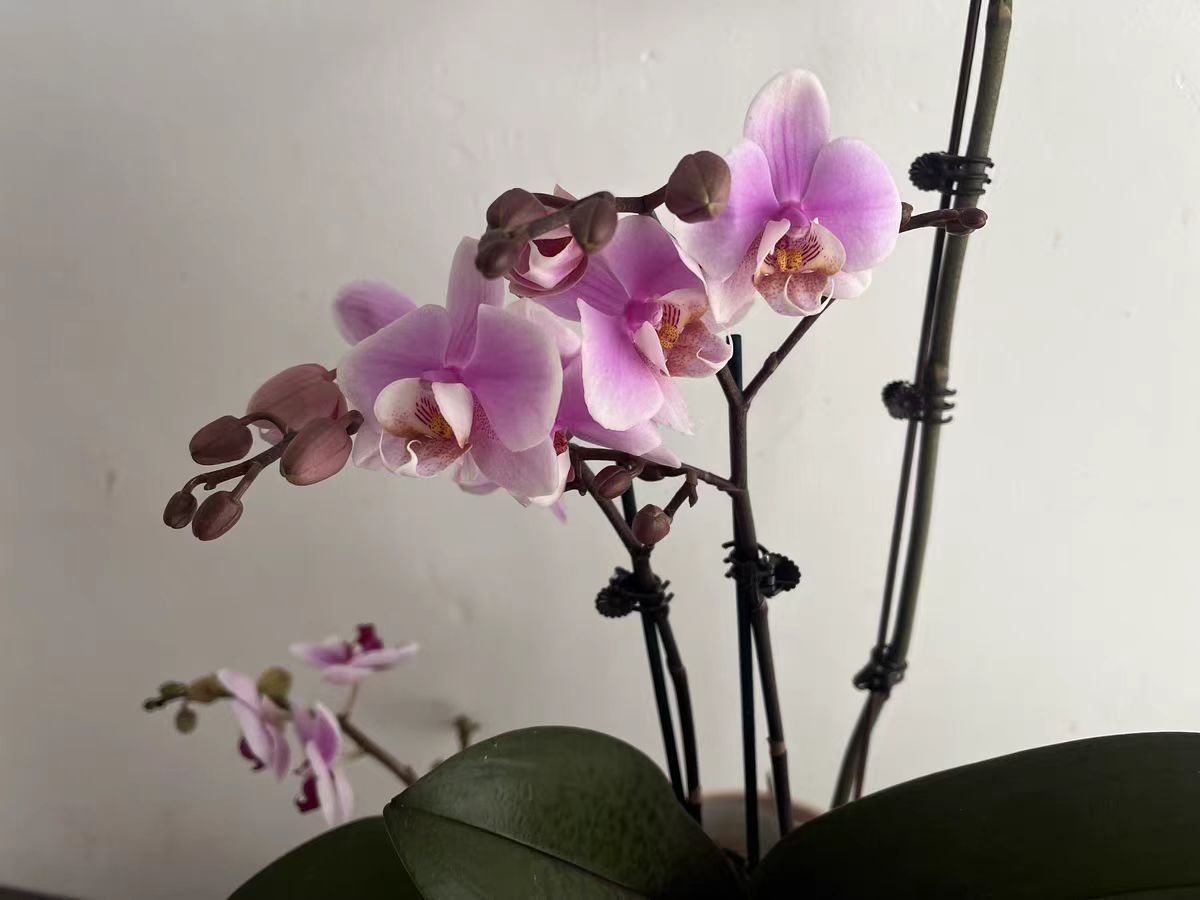
How to deal with Phalaenopsis orchids after they finish blooming?
Phalaenopsis orchids are beautiful and popular ornamental plants. However, when Phalaenopsis orchids finish blooming, how should they be dealt with, especially
-

The Simplest Way to Deal with Over-Fertilizing Phalaenopsis and Fertilizer Recommendations
Generally speaking, to see which flowers flower lovers like most at the flower market, you just look at the large screens they display, and Phalaenopsis ranks in the top three. The reason is that its flower posture is unique, and after blooming it has a butterfly shape, which fascinates people whether viewed from afar or up close. However, growing Phalaenopsis well is not as simple as imagined, and the most
-

How to prevent and deal with water accumulation at the roots of Phalaenopsis?
In the process of caring for Phalaenopsis, water accumulation at the roots is a problem that cannot be ignored. Water accumulation not only affects the normal growth of Phalaenopsis, but in severe cases can also lead to root rot and even plant death. So how do we prevent water accumulation at the roots of Phalaenopsis and properly deal with it when it occurs? To prevent water accumulation at the roots of Phalaenopsis
-
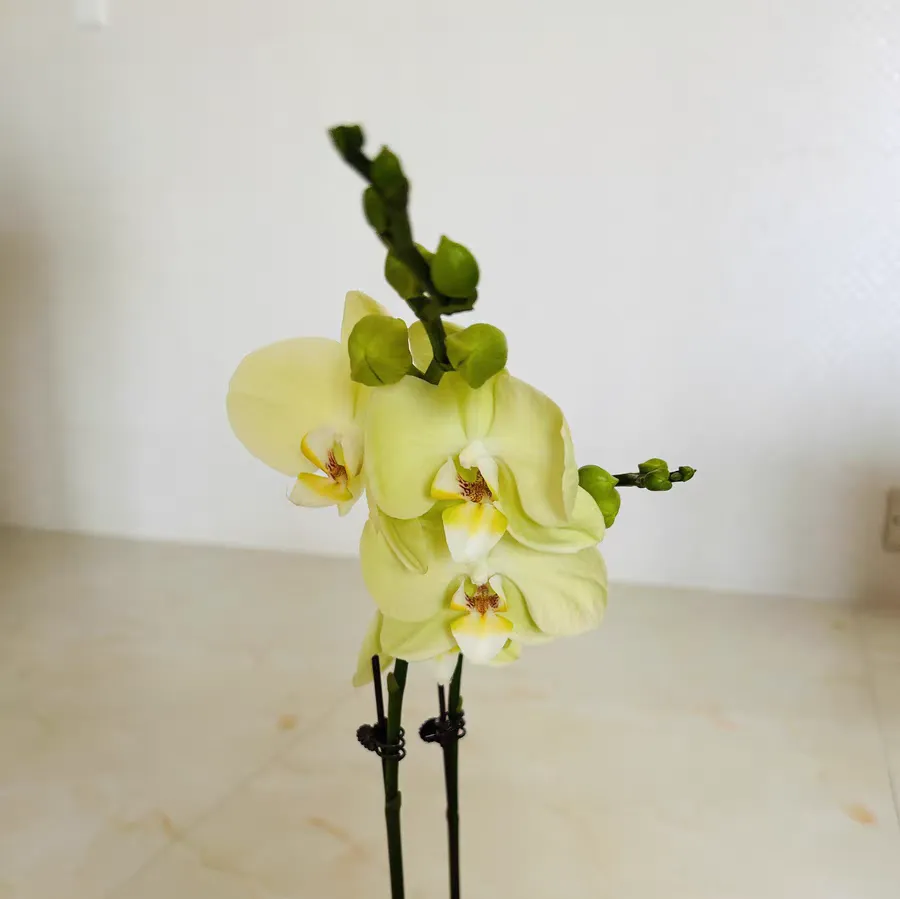
How to deal with the Phalaenopsis bought online?
When you receive the Phalaenopsis you just bought online, don't be in a hurry to place it casually, because improper handling is likely to affect its
条件筛选