-

How to deal with aged orchid roots? Should they be cut off?
One of the most worrying things for plant growers is discovering that a moth orchid's roots have become wrinkled and grayish, looking just like the "old, weak, sick, and disabled" type. At this point many people start agonizing: should these aged roots be cut or not? Not cutting them might affect growth, but cutting them might mean cutting the plant away entirely. Aged moth orchid roots should be cut when they need to be cut! Or
-
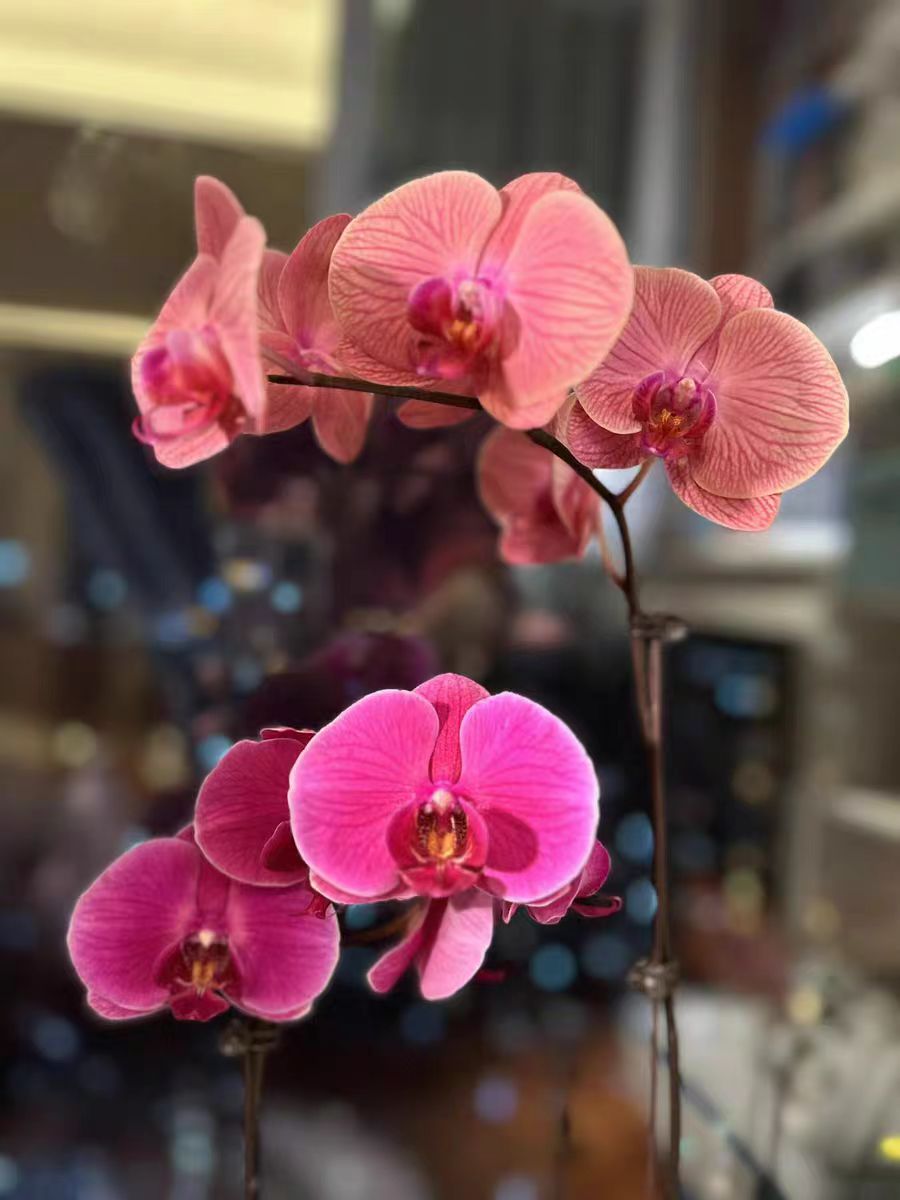
How to Deal with Over-wet Sphagnum Moss When Cultivating Phalaenopsis?
Using sphagnum moss to grow phalaenopsis (butterfly orchids) at home was supposed to be a hassle-free way to garden, but it often turns into a waterlogging
-
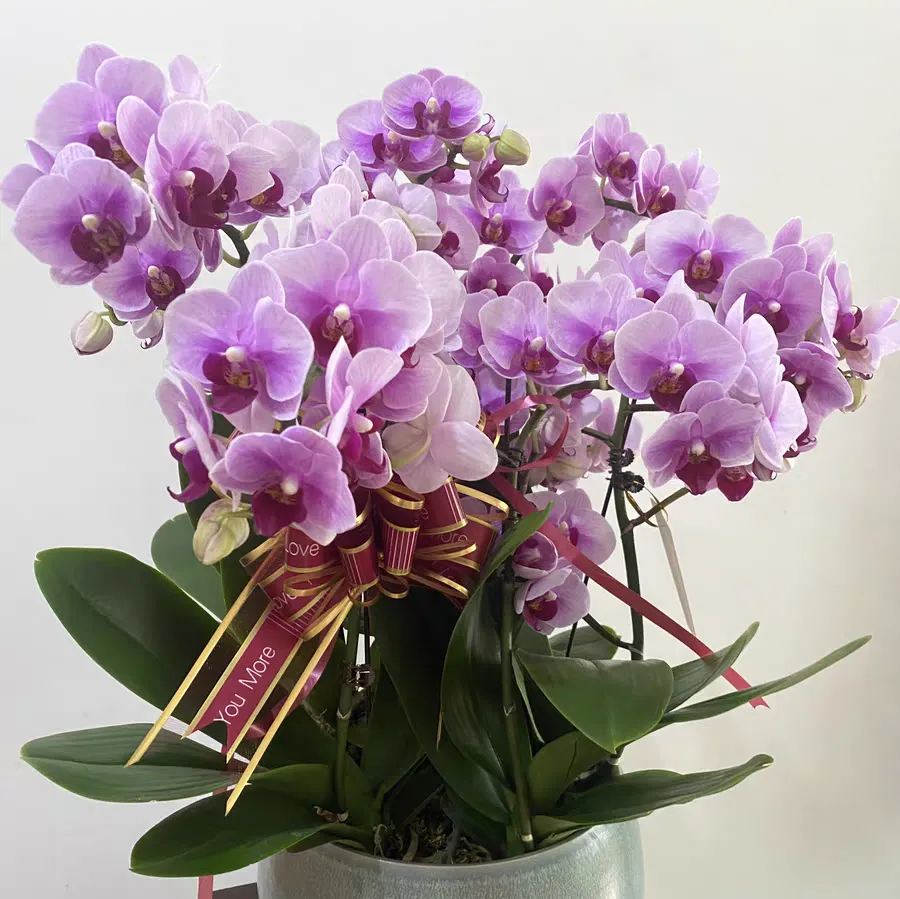
How to Deal with Phalaenopsis Orchids in 40℃ High Temperature
As the midsummer arrives and temperatures continue to rise to 40°C, Phalaenopsis orchids, as tropical epiphytic plants, prefer warm and humid environments but
-

What causes white granules and mold on Phalaenopsis roots, and how do you deal with it?
Have you ever noticed dense white spots sprouting from the roots when growing Phalaenopsis? Don't panic, this could be southern blight or Leucocoprinus birnbaumii fungus. Today we'll teach you step by step how to tell them apart and give first aid. 1. Identifying southern blight. Southern blight is an extremely stubborn fungal disease! In the early stage, white thread-like growth appears on the roots, as if wrapped in a layer of
-

How to tell if orchid bark has molded and how to deal with it?
Growers of Phalaenopsis orchids have surely run into this: while watering, you poke around the bark and suddenly find something white and greenish inside, and you panic instantly! Is this bark moldy? And if it really has mold, how should you handle it? Many beginners can't tell the difference between normal bark decomposition and mold. Here are a few super simple
-
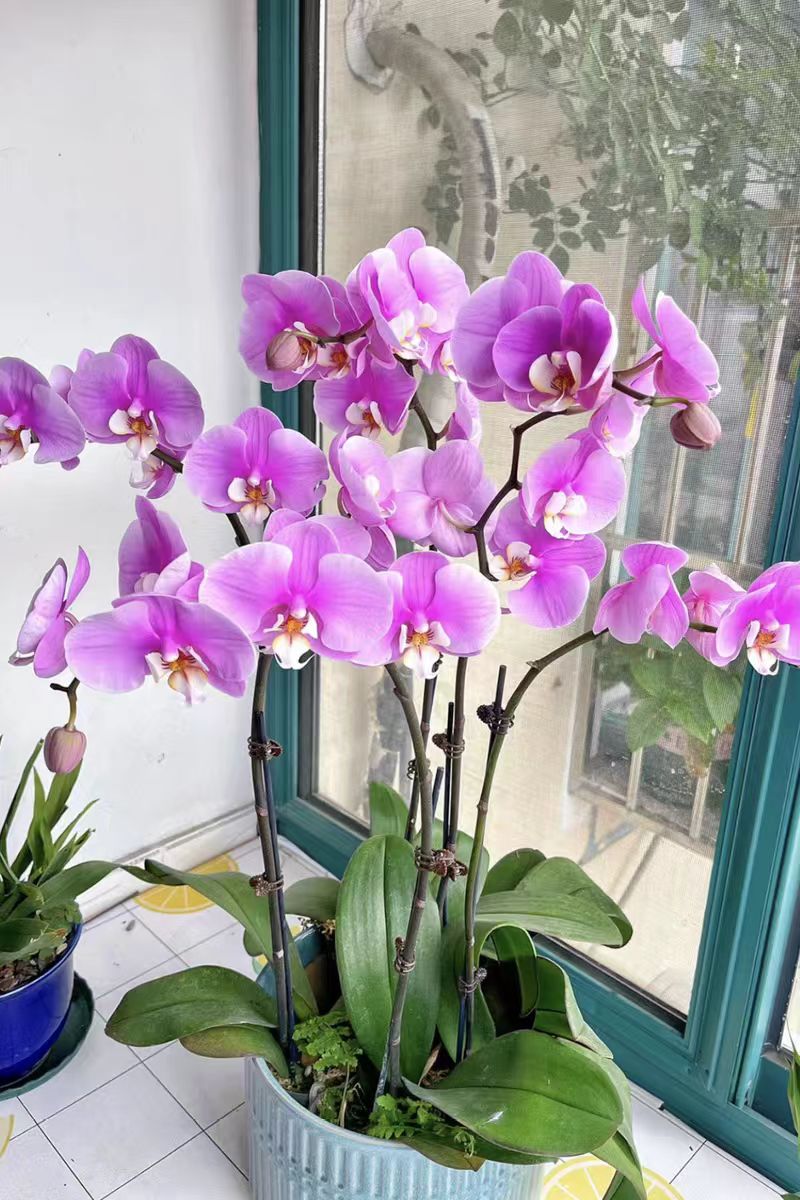
The best way to deal with rotten old roots of Phalaenopsis (moth orchids)
The most feared problem when cultivating Phalaenopsis orchids is the rotting of old roots. Once you notice the roots turning black, soft, and mushy, don't
-

How to deal with old root rot in Phalaenopsis? Here's the best way to handle it
When growing Phalaenopsis, old root rot is the worst problem you can run into. Once you notice the roots turning black and mushy, don't worry - below we'll show you how to deal with old root rot in Phalaenopsis, along with everyday care tips. 1. Emergency treatment for old root rot in Phalaenopsis. 1. As soon as you spot root rot, stop watering immediately so the roots don't stay soaked. Carefully take the Phalaenopsis out of the pot, and you can gently shake the plant so the medium falls away naturally; if the medium is packed tight, use scissors to separate it along the pot wall to reduce root damage.
-
How should you deal with the flower spike of a Phalaenopsis orchid after it finishes blooming? Should you cut it off?
After the blooming period of a Phalaenopsis orchid ends, handling the flower spike and the follow-up care is a technical job. Cut it the right way and it can bloom again; cut it the wrong way and you may end up waiting a whole year in vain. Here are some suggestions. I. Flower spike pruning options 1. Short-term bloom-promoting pruning If you hope for a repeat bloom in the short term, you can keep the healthy stem section on the upper half of the flower spike and cut at the second-to-last
-

Causes of Foul Odor from Phalaenopsis Leaves and How to Deal With Them
As a widely popular ornamental flower, the Phalaenopsis (moth orchid) is often a delight to the eye with its elegant bearing and brilliant colors. However, during care, we sometimes find that its leaves give off an unpleasant foul odor, which not only affects the viewing experience but may also signal a health problem in the plant. So, wh
-
How to Deal with the Unpleasant Odor of Phalaenopsis Roots?
In the process of phalaenopsis cultivation, many flower lovers may encounter a troublesome problem - the roots of phalaenopsis emit an unpleasant odor. This
条件筛选