-
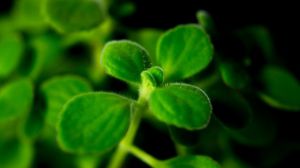
What are the cultivation methods and precautions for Cuban oregano?
Soil: Prepare loose soil with good drainage and aeration. Light: Place it in a sunny spot as much as possible. Watering amount: Before watering, you can observe the leaves; if they look wilted, you can water appropriately. Fertilizing: There is no need to fertilize deliberately; fertilizing once a month is enough. It can be propagated by the cutting method.
-
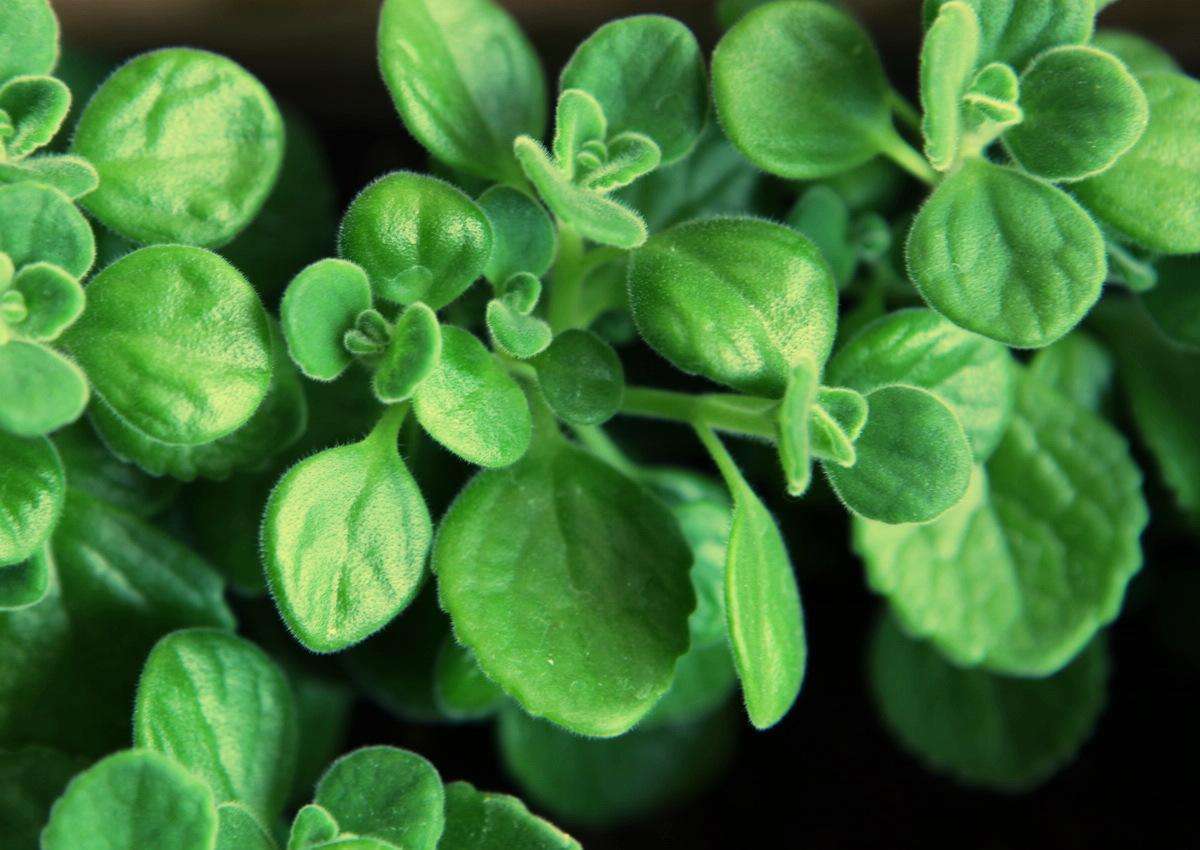
Cuban oregano (Plectranthus amboinicus) is native to Africa; it releases a strong fragrance at a touch, and it can be eaten and also repels mosquitoes
The world is full of wonders, and this saying fits the plant kingdom very well. There are many peculiar plants in the plant kingdom; some plants make "extreme" reactions as soon as you touch them, such as the sensitive plant (Mimosa pudica), which closes its leaves as soon as you touch it...
-
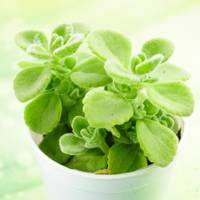
How adaptable is the Cuban oregano? Let's find out together
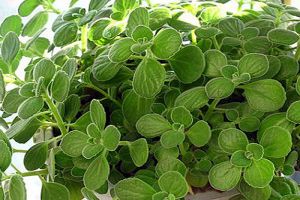
Cuban oregano (Plectranthus amboinicus) is a subshrub-like perennial succulent herbaceous plant. The whole plant looks fuzzy, and when touched it releases a pleasant fragrance, sweet and fresh, with a light apple scent, earning it the reputation of "apple fragrance."
-

-
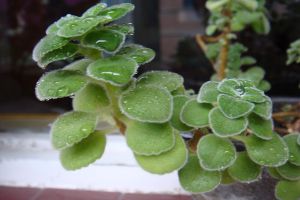
How do you eat Cuban oregano? A few common ways to eat it
Have you seen this plant? Do you know whether it can be eaten? That's right, it really can be eaten. And there are many ways to prepare it. First, it can be used to make tea, wine, and more. It can also be used in stir-fries, such as scrambled eggs. It can also be used as a seasoning, mainly for grilling steak. Next, it can be added to honey and steeped in water for a sweet and very tasty drink. Not only that, it can also be steeped directly in water, with equally good results.
-
What is the difference between Cuban oregano and mint? A quick guide to tell them apart
They are indeed somewhat similar, but you can distinguish them by the following aspects. First is the genus: Cuban oregano belongs to the genus Plectranthus, while mint belongs to the genus Mentha. Next is appearance. Their leaf shapes differ: the former's leaves are ovate, while the latter's are lanceolate, or round-lanceolate; moreover, the former has fine hairs on its surface. Their flowers also differ: the former's flowers are mainly white, while the latter's are mainly light purple; and the former's flowers give off a fragrance. Their distribution areas are different too: the former mainly grows in Africa and Europe, while the latter is more widely distributed in China.
-
-
-
-
条件筛选