-

Crystal Prawn Balls Recipe and Cooking Techniques
Cooking category: Stir-fry | Cuisine: Cantonese | Ingredient category: Shrimp and crab | Taste: Salty and fresh | Appearance, aroma and flavor: Snow-white and translucent, crisp to the bite, best in summer | Main ingredient: Prawns (10) | Secondary ingredients: MSG (12.5 g), refined salt (a pinch), water chestnut flour (a pinch), sesame oil (a pinch), pepper (a pinch) | Preparation: 1) Shell the prawns and remove the heads and tails, then use a knife to shave off the dark membrane on the surface. Slice each prawn into 3 pieces and soak in alkaline water (for every 500 g
-
Why do crystal shrimp die? You need to know these few reasons
The causes of death in crystal shrimp boil down to the following types: 1. Cannibalism - often occurs when stocking density is too high; the targets of attack are usually individuals that have just finished molting, because they carry a slight fishy smell that triggers attacks from their own kind. The prevention method is to plant dense aquatic plants so the shrimp have hiding places! 2. Death from cold - water temperature that is too low will affect the activity level of crystal shrimp; their limit is 10°C, and below 10°C it will cause death! 3. Attacks by planarians - planarians in the tank pose a threat to crystal shrimp, especially
-
The Important Role of Montmorillonite in Keeping Crystal Shrimp
Montmorillonite for crystal shrimp is specially used for keeping ornamental crystal shrimp, with a purity of 95-98%, pH 6.5-7.5, and can be placed directly into the tank for use. Montmorillonite for crystal shrimp can stabilize water quality, keep the water at a certain hardness (GH, 4-6) and carbonate hardness (KH, 1-2), and can absorb or inhibit the production of ammonia and organic amines. It is also academically recognized that montmorillonite can serve as the main component of the bacterial culture medium for cultivating nitrifying bacteria. 1 The Efficacy of Montmorillonite for Crystal Shrimp
-
Processing Methods and Technical Key Points for Peach Crystals
(1) Process flow: raw material selection → washing → crushing → juicing → concentration → adding powdered sugar → stirring → forming → drying → packaging. (2) Technical key points: ① Raw material selection: choose fresh peach fruits with high ripeness, plumpness, abundant juice and strong aroma; remove diseased, insect-damaged, rotten and browned fruits; first soak the fruits in 0.5%-1.5% hydrochloric acid for 2-3 minutes, then rinse them clean with water, and it is best to wash off the peach fuzz. ② Cutting and pit removal: cut the fruits open with a stainless steel knife, then
-
How to keep crystal shrimp? A detailed guide to practical care techniques
1. Setting up the location The place for keeping crystal shrimp should be cool and out of direct sunlight. This is a basic rule of keeping them, and you should avoid windows and places easily affected by outside conditions as much as possible. If there is more than one aquarium in the home, the aquarium for crystal shrimp should be placed at eye level, as this helps the keeper identify the health condition of the crystal shrimp. In addition, it is best to remove the lid of the aquarium for crystal shrimp, as this makes maintenance easier. If you are worried the crystal shrimp
-
Crystal Grass Emerald Jade Plum of Douban Orchid, with lovely flower colors
Douban Orchid, also called Line-art Spring Orchid, as a member of the large family of Chinese orchids, has a long history of cultivation in Yunnan Province, with many varieties, wide distribution and rich resources. After years of selection, cultivation, development and utilization by orchid circles, some excellent varieties have appeared among Douban Orchids, attracting the attention of the orchid world and increasingly favored by orchid art lovers at home and abroad. Among them, Emerald Jade Plum, developed by Mr. Zhang Qilin, standing director and deputy secretary-general of the Dali Prefecture Orchid Association, combines crystal flowers, plum petals, flying shoulders, hard lips, crystal-clear color and strong fleshy texture
-
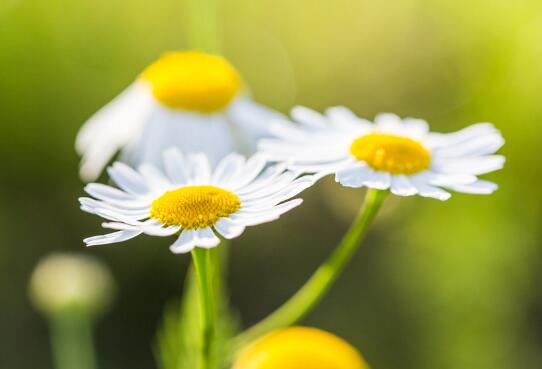
What to Do When White Crystal Chrysanthemum Gets Pests? Control Methods for 2 Pests and 3 Diseases
During the growth of the white crystal chrysanthemum, the last thing we want to encounter is pests and diseases. These problems are extremely harmful to the plant, not only affecting the beauty of its form, but also causing the plant to wither and die if not dealt with in time. So what should you do when the white crystal chrysanthemum gets pests? And how should pest and disease control for the white crystal chrysanthemum be carried out?
-
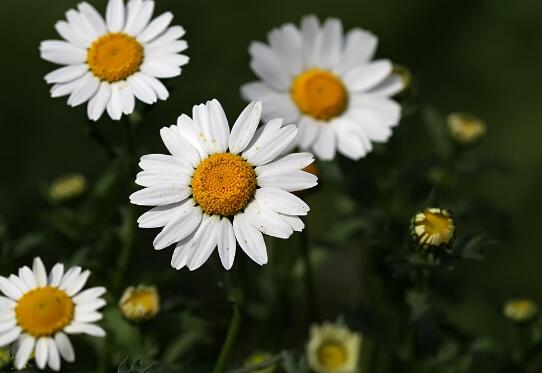
How to grow white crystal chrysanthemum? Master the planting method and the survival rate can reach 90%
Among the propagation methods of white crystal chrysanthemum, seed sowing is the main one. This method has been tested by countless people and still has a high survival rate. However, to succeed at sowing, there are many points we need to pay attention to. How do you grow white crystal chrysanthemum? What are the planting methods for white crystal chrysanthemum?
-
How to care for white crystal chrysanthemum in summer? These methods you need to master
Temperature: White crystal chrysanthemum is fairly cold-tolerant, but it cannot withstand high temperatures. The most suitable growing temperature for white crystal chrysanthemum is 15 to 25°C. Summers are hot, and the flowers of white crystal chrysanthemum will drop, so you can place white crystal chrysanthemum in a ventilated and shady spot. Soil: White crystal chrysanthemum has strong adaptability, so even if the soil is a bit poor
-
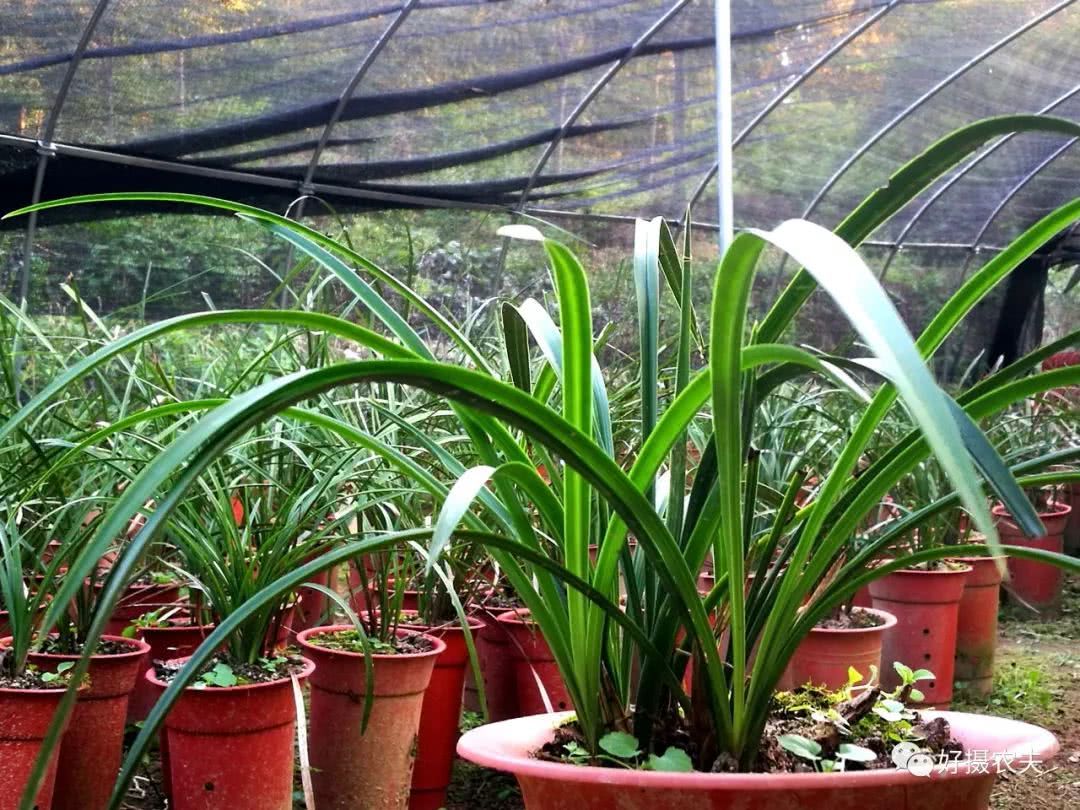
How long does an orchid generally need to be grown before the roots produce crystal tips?
The appearance of crystal tips on orchid roots is a sign that the plant has initially settled into its pot, and new roots grow from there. In spring, the time for crystal tips to sprout is about 20 days. In the spring of this year (2018), the wild downhill orchids grown by Haoshe Farmer, after being potted for 20 days, ...
条件筛选