-
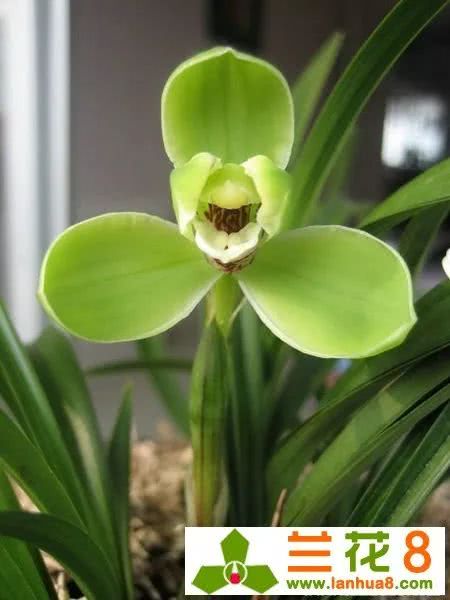
Orchid Petal Type Analysis: Detailed Explanation of Common Petal Type Classifications and Characteristics
Promote Chinese orchid culture, spread orchid knowledge. I. Plum Petal. Plum petal: the three outer petals have tight edges and rounded tips, the central column is strongly masculinized with a cupped shape and white tip; if the lip is relaxed and not curled, it is a plum petal. When the plum petal is about to bloom, due to masculinization, the three outer petals have white edges and the petals have white tips. The entire flower shape looks quite like a plum blossom in snow; the ancients' metaphor is indeed apt and vivid. Plum petals are further divided according to the degree of masculinization into hard-cupped plum petals and soft-cupped plum petals. Among hard-cupped ones, there are extremely hard-cupped and hard-cupped plum petals. Extremely hard-cupped plum petals, due to extremely strong masculinization, often have the petals adhering to the column, with a very small hard lip or with cheek-like structures and no lip; such flowers' outer petals are mostly flared and upturned, and the flower shape is extremely inelegant! We know that the strength of masculinization is greatly related to flower quality. The stronger the masculinization, the tighter and harder the central column, and the worse the flower quality! If such a flower shape has tender color and broad outer petals, it also has ornamental value, but most outer petals are flared and upturned, and have traditionally not been valued by orchid growers! The masculinization of hard-cupped plum petals is slightly weaker than that of extremely hard-cupped ones, mostly split-head closed-back or joined-shoulder closed-back hard silkworm-moth petals, and the lip is mostly a dragon-swallowing lip, small round lip, etc.; some flowers have slightly flared outer petals! The masculinization of soft-cupped plum petals is relatively moderate, mostly five-petal separated soft silkworm-moth petals, with the three outer petals rounded and tight, and the lip mostly able to spread broadly, mostly a Liu Hai lip or Ruyi lip; the central column is rounded and neat, making it a fine among plum petals! The overall form of a superior plum petal should closely resemble a plum blossom, and reaching such a standard is very rare! The leaves of plum petals feel relatively thick and hard, with strong uprightness or bow-like form, looking rather vigorous; the basal leaves are slightly spreading, the sheath is hard and extends obliquely at about 15 degrees, feeling prickly to the touch; when the sheath is not yet withered, one can see a white pointed tip at the sheath tip, about the size of a millet grain, crystal clear, greatly different from the leaf tip of ordinary flowers. When selecting wild-collected orchids, if you encounter sheath color bright and smooth, veins fine and sparse reaching the top, heavy sand and dense halo, color lighter below and darker above, with a green tip at the apex, large empty head, lower part of the flower bud tightly contracted, and the middle round and bulging like a peanut or soybean, it is mostly a plum petal! This requires everyone to observe more usually in order to judge quickly and accurately!
-
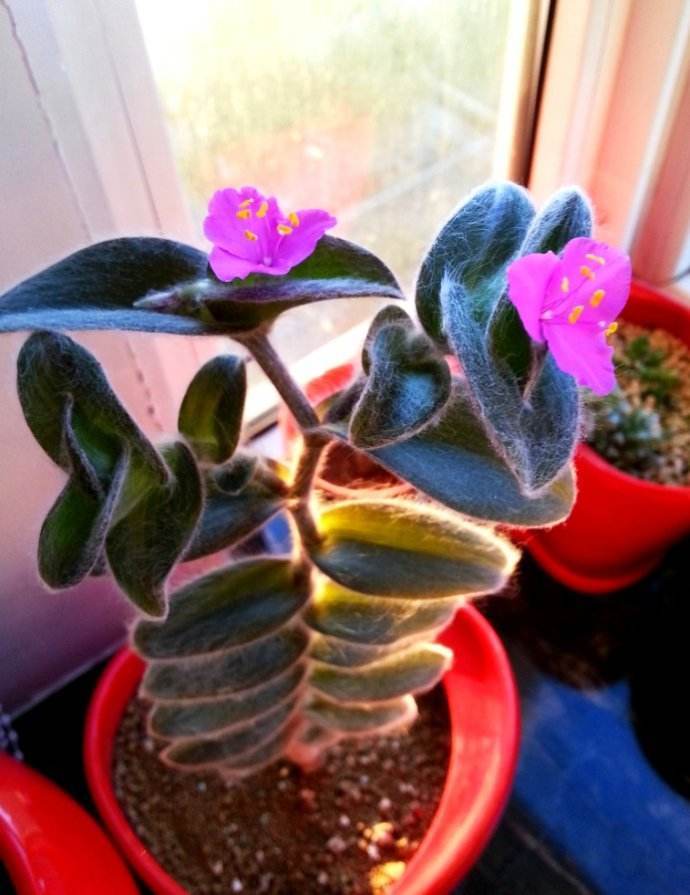
A brief introduction to the variety characteristics of the succulent plant Tradescantia sillamontana
Tradescantia sillamontana, belonging to the Commelinaceae family and the Tradescantia genus, is a perennial succulent herbaceous plant. The plant grows in clumps, with stems erect or slightly creeping, 15-20 cm tall. The short, thick, succulent stems are hard and straight, covered with dense long white hairs. It prefers a warm, humid env...
-
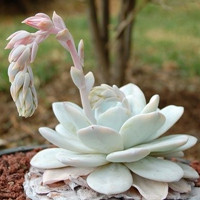
Introduction to the variety characteristics of the succulent plant Snow Lotus
The succulent plant Snow Lotus belongs to the Crassulaceae family. The overall plant shape is rather elegant, but the plant is not very tall, being medium in size. It can bloom.
-
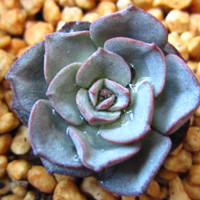
What plant is Echeveria moranii? Characteristics and growing methods
Echeveria moranii, in the succulent world, has a rough and rugged appearance, not at all like something delicate and fresh. However, do not be fooled by its appearance; Echeveria moranii can also be gentle and lovely.
-
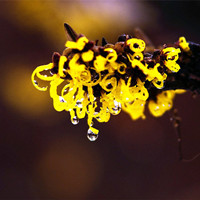
What are the characteristics of witch hazel? A detailed guide in one article
Witch hazel is a herbaceous flowering plant, and it is quite distinctive when in bloom, with unique ornamental value. Growing witch hazel is not very difficult.
-
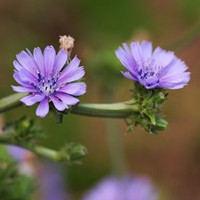
What are the characteristics of chicory? A detailed guide in one article
Chicory is a perennial herbaceous flowering plant, also called coffee grass, and it is said it can be used as a substitute for coffee. Moreover, chicory also has edible value.
-
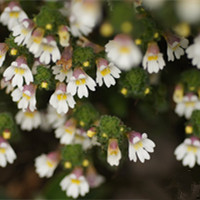
What are the characteristics of eyebright? A comprehensive introduction
Eyebright is a herbaceous plant. It is actually rather uncommon, but it has relatively high value. Generally, people grow eyebright in the hope of obtaining great value from it.
-
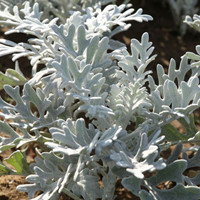
What are the characteristics of Dusty Miller? A comprehensive guide for you
Dusty Miller (Jacobaea maritima) is a rather unusual plant. Its foliage is covered with white soft hairs, giving it a snow-white appearance, which makes it quite suitable for growing in combination with other plants.
-
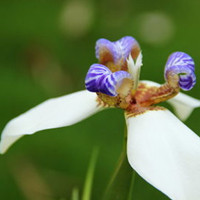
What are the characteristics and symbolic meanings of the Brazilian iris?
The Brazilian iris (Neomarica gracilis) is a plant with a rather unusual flower shape, blooming beautifully, and is quite suitable for pot cultivation. Growing the Brazilian iris is not very difficult, and it can also beautify the environment, so why not do it?
-
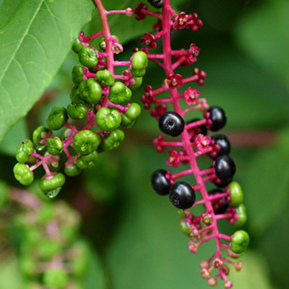
What are the characteristics of pokeweed? A complete guide to pokeweed
As a child, I often saw a purple-red fruit around the front and back of the house, and girls would use it to dye their nails. This beautiful plant has a rather literary name, pokeweed. Come and get to know this plant with me.
条件筛选