-

Avoid these plants when growing flowers on an east-facing balcony; keep one and it dies
Many gardening enthusiasts think an east-facing balcony is a universal spot just because it "doesn't get scorched," casually bringing plants home, only to find the leaves turning yellow and the roots rotting within days, until they end up throwing them away. In fact, an east-facing balcony gets direct sunlight in the morning, then only scattered light after noon, with short and rather gentle light hours, and some plants simply "can't handle" this environment. Today we'll dig into it
-

Keep these points in mind when caring for flowers in autumn, avoid the pitfalls and your plants will look even better than in summer
A crisp chill rushes at your face in the early morning, and just like that, autumn has quietly arrived! How should the plants on the balcony safely get through this deepening autumn? As soon as the temperature drops, many friends are always in a hurry to move their plants indoors. Not all plants need to be rushed inside. Although autumn is cool, there is still sun at noon, and moving them indoors too early means the plants cannot get enough light, which instead makes them grow leggy, with sparse, scraggly leaves that look bad. Cold-hardy ones like roses and bougainvillea can even withstand around
-

How to choose potting medium for Phalaenopsis in the South? Choose these three and avoid detours
For flower lovers in the South growing Phalaenopsis, the biggest headache is not watering or fertilizing, but choosing the wrong potting medium - after all, it rains at the drop of a hat in the South, and the air is so humid you could wring water out of it, so the wrong medium means root rot in no time. When growing Phalaenopsis in the South, the core of choosing a potting medium comes down to two words: airy! well-draining! Anything that holds too much water or tends to compact should be pushed aside!
-

Moving soil-grown plants to water culture is certain death? These common mistakes to avoid
Moving a carefully tended soil-grown plant into a glass bottle and watching its roots spread in clear water is a poetic thing in itself. But reality is often: yellowing leaves, rotting roots, and within a few days it droops. Actually, plants are not delicate - we just use the wrong way to "move house". Soil roots and water roots are not the same thing at all
-
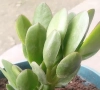
How to care for a jade plant in summer? Avoid the big mistakes to keep it thriving
The jade plant has thick, emerald-green leaves, and as its branches grow they take on an increasingly old-tree, bonsai-like look, bringing a wonderful sense of life to any home. But once the high temperatures of summer arrive, it easily runs into problems - root rot, scorched leaves, and a limp, listless appearance. In fact, all of these come down to poor attention to care details! Today I'll explain clearly the "3 pitfalls" you must avoid when caring for a jade plant during the hot season.
-

Not All Viral Houseplants Are Easy to Grow: These Four Are Ones to Avoid
Lately, whenever I scroll through short videos, I keep seeing all kinds of "lazy-person houseplants." Watching people have these tall, green plants at home, with comment sections full of "beginner-friendly" and "they survive no matter how you grow them," I couldn't resist jumping on the bandwagon and bought a few pots. Now my balcony is almost a houseplant graveyard. Today let's dig into those overhyped viral houseplants, especially these four
-

Sphagnum Moss for Phalaenopsis Too Wet? Water This Way to Avoid Waterlogging
The lazy person's household hero for growing Phalaenopsis in sphagnum moss - you'd think you could just lie back and let the plant grow, but it turns out that sphagnum moss can turn into a waterlogged disaster in no time, and the Phalaenopsis roots nearly swell up from soaking! When growing Phalaenopsis in sphagnum moss, the moss's strong moisture retention often causes problems like overly wet substrate and waterlogging, affecting plant health. Mastering the correct handling and watering methods
-

Can broken Phalaenopsis branches be rooted in water? The biggest taboos to avoid
In the daily care of Phalaenopsis, broken branches are inevitable. Faced with this situation, can broken Phalaenopsis branches be rooted in water? If you place a broken branch in water, what taboos should you pay attention to? Knowing this can help us save broken branches as much as possible when a Phalaenopsis suffers accidental damage and improve their survival
-
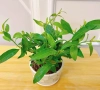
Which flowers are not suitable for growing in the bedroom? These types should be avoided
Many people like to place flowers in the bedroom, but not all flowers are suitable for the bedroom. If you choose the wrong ones, they will not only affect your sleep but may also harm your health. Today, let's talk about several flowers that are not suitable for growing in the bedroom. Night-blooming jasmine (Cestrum nocturnum): Its flowers are yellow-green or white and bloom in summer and autumn, with a unique fragrance. Many
-

Phalaenopsis needs appropriate summer heat relief in summer to avoid leaf scorch and plant dehydration
In the scorching summer, for friends who love flowers, how to ensure that the Phalaenopsis at home safely passes through summer is undoubtedly an important topic. As an elegant and delicate flower, Phalaenopsis faces considerable challenges from the high temperatures and strong sunlight of summer. Does Phalaenopsis need appropriate heat relief in summer? And how can leaf scorch be avoided?
条件筛选