-

Is it easy for soil-grown plants to die when converted to water culture? Pick the right species and they are easy to keep
Switching familiar soil-grown plants into hydroponic containers and watching the roots spread out in a clear glass bottle is a joy for many plant lovers. But changing environments is like a test for plants, and some people think soil-to-hydroponic conversion easily kills plants; in fact, the key is to understand the rules by which plants adapt to a hydroponic environment. When converting soil-grown plants to hydroponics
-

What to do when a Phalaenopsis orchid grows a young offshoot on its side, and does it need to be divided into a separate pot?
A perfectly healthy Phalaenopsis orchid suddenly sprouts a small tender shoot on its side. It looks quite cute, but you are not sure what to do with it. Should you keep this little offshoot or remove it? Should you hurry to divide it into its own pot? Phalaenopsis orchids are different from other flowers: their side shoots usually grow on the flower spike, and sometimes they also emerge near the roots. This shows that your Phalaenopsis has been kept
-

Do Phalaenopsis orchid leaves need regular pruning, and when is the best time to prune?
In the morning, squatting on the balcony watering the flowers, you look down and see that pot of Phalaenopsis orchid with several leaves crowded together, one of them with a tip as yellow as scorched paper and slightly curled edges - doesn't this scene feel so familiar? Many friends who grow Phalaenopsis orchids ask: "Do the leaves need to be pruned regularly?" "Will it die if I prune wrong?" Phalaenopsis orchid leaves
-

Are all hydroponic plants shade-loving? A rundown of the species that easily die when exposed to sun
When it comes to hydroponic plants, plenty of people probably assume they must be kept in a shady spot and can't stand sunlight. Actually, that idea is a bit one-sided - not all hydroponic plants are enemies of the sun. Hydroponic plants aren't all "death upon seeing light"! Just like some people love sunbathing while others avoid it, plants are the same. But there really is
-

When does the high-incidence period for Phalaenopsis pests and diseases occur, and what should be noted for prevention and control?
When it comes to Phalaenopsis (moth orchid), the flowers are certainly beautiful, but if pests and diseases strike, that is really frustrating. Many people wonder why a perfectly healthy flower suddenly wilts while they are caring for it. In fact, its illnesses are not without patterns, and there are certain periods when problems are especially likely to arise. The transition between spring and autumn each year is when Phalaenopsis pests and diseases
-

Can Phalaenopsis orchids bloom in summer, and when do they bloom?
As soon as summer arrives, many friends who grow Phalaenopsis orchids start to wonder: this flower is quite delicate, and with the weather so hot, can it still bloom? Actually, whether Phalaenopsis orchids can bloom in summer is really not something that can be explained in just one sentence. Phalaenopsis orchids can possibly bloom in summer, but it depends on the variety and care conditions. Some specially bred heat-tolerant
-
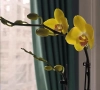
What to do when a Phalaenopsis orchid has stem rot and only the roots are left, can it still be saved?
Gardeners who grow Phalaenopsis orchids have probably all experienced this kind of crushing moment: an orchid that was perfectly fine suddenly has roots that are rotten, black and slimy, falling off at the slightest touch, and when you lean in there is a sour, foul smell, the leaves droop limply downward, and the stem even has brown rotten spots... At this point many people think "it's hopeless" and just toss it into the trash. But the
-
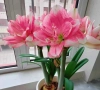
Don't Follow the Crowd When Choosing Autumn-Sown Flowers: 6 Treasure Plants That Even Beginners Can Easily Grow to Bloom
Once Start of Autumn passes, still not tired of looking at the office plants? Don't worry! When autumn sowing season arrives, plant these 12 flowers and grasses, and from next spring to autumn your desk or balcony will be full of blooms. Even beginners can easily master the joy of "flowers in every season" - the key thing to remember: keep the sowing temperature at 15-25°C for the safest results; too high and the seeds will be smothered
-
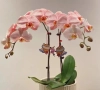
When growing Phalaenopsis (moth orchid) semi-hydroponically, water along the edge of the pot to prevent root rot; how should the watering frequency be set?
If there is a "lazy person's blessing" in Phalaenopsis care, semi-hydroponics definitely counts as one! You do not need to painstakingly remove the old potting medium, nor do you need to repot frequently, and the Phalaenopsis can still grow vigorously, making it especially suitable for beginners who dislike hassle. How exactly do you do it? It can be done in just a few steps, so let's go through it slowly. First, prepare these materials, all of which are common household items: none
-

What to Do When Phalaenopsis Leaves Grow Every Which Way? A Guide to the Best Time to Correct Them
Is your Phalaenopsis like this too? When you bought it, the leaves were neat and tidy, but after two months of growing them, they start to "bare their fangs and brandish claws" - some droop outside the pot, some crane their necks toward the light, and others overlap and block each other. The whole plant looks like it has lost all its elegance, leaving only mess, and it does not look energetic at all? Don't worry, this "
条件筛选