-

Can rice water be used to water flowers? What benefits does it have for plants
The rice water poured away every day when cooking is actually a neglected "nutritional treasure trove." Many people don't know that this seemingly ordinary milky-white liquid, after simple processing, can become a "super drink" for plants. Watering flowers with rice water is not only environmentally friendly and economical, but can also provide plants with various nutrients needed for growth, but the method of use
-

What plants and flowers are suitable for growing in shady, cool spots?
Perhaps for beginners, growing flowers and plants must mean placing them in the light to be considered proper, but in fact, some plants actually prefer to be placed in a corner under the shade of a tree; if given plenty of light, they instead wilt. Who are they? Let's take a look. Hydrangea. Hydrangea, also known as eight immortals flower, purple yang flower, and powder ball flower, its blooms open like clustered flowers, and overall it looks very complete and full. And when summer comes, hydrangeas need timely shading, otherwise their leaves will soar to 45°C within ten minutes, thereby damaging the permeability of their own cell membranes; if exposed to continuous blazing sun for 3 hours, it can cause the entire plant's yellow leaves to fall off.
-

What kind of pot is best for growing Phalaenopsis orchids? Choosing the right pot is key
When choosing a pot for a Phalaenopsis orchid, you need to match its growing habits, take daily care convenience into account, and show a careful attentiveness to the plant. The truly suitable pot is never one fixed style, but a choice that finds a gentle balance between breathability, drainage and beauty. Aerial roots are the Phalaenopsis orchid's most special "
-
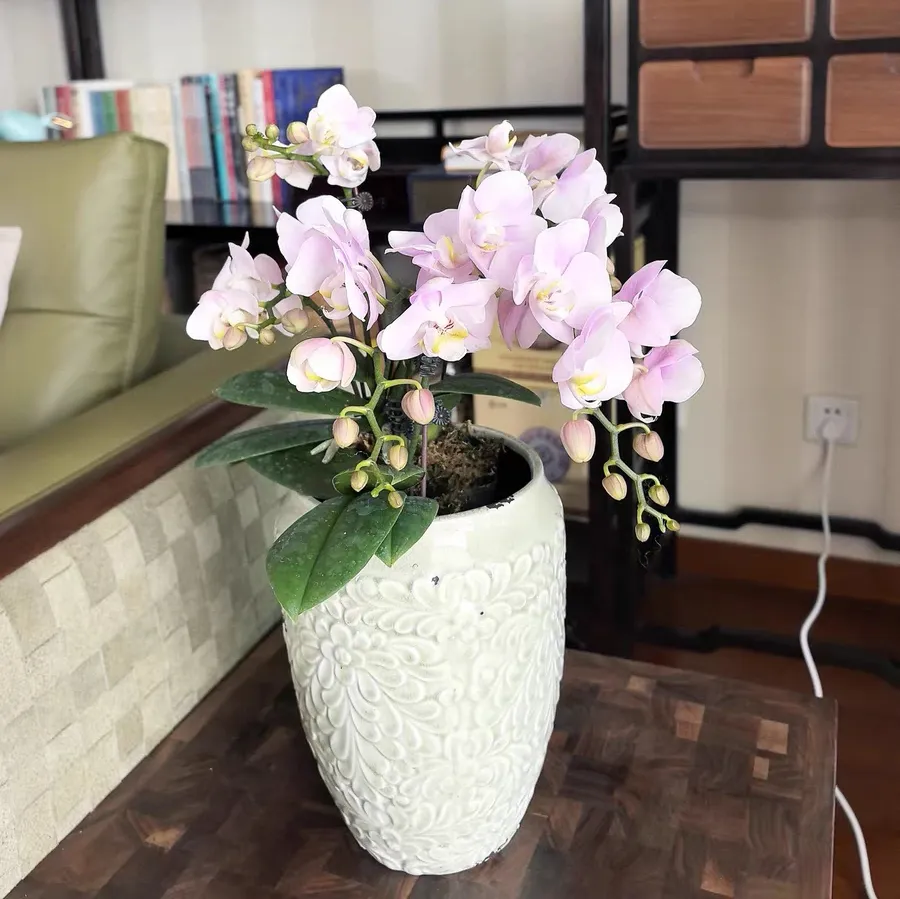
What Are the Causes of Poor Ventilation for Phalaenopsis (Moth Orchids)?
# I. 90% of People Overlook This! 3 Major Hazards of Poorly Ventilated Environments 1. **Hazard 1: Root Suffocation, Dampness, and Rot** - Consequence: The
-

What does "leaf-center spike" mean in Phalaenopsis orchids, and how should it be handled?
Fellow Phalaenopsis growers, have you ever suddenly noticed one day that the center of your plant seems to have been "locked" by something? The new leaf curls into a sharp little cone, stiffly stuck in the middle, and no matter what, it just won't unfurl? -- Congratulations, you may have encountered the legendary "leaf-center spike"! Don't let the name scare you; it's actually not that
-

What to do if your Phalaenopsis gets bugs? With proper care, pests are unlikely
The Phalaenopsis you've cared for so carefully is blooming beautifully, when suddenly you notice sticky little dots on the leaves! You flip them over and nearly faint - densely packed little bugs! Whiteflies, scale insects, or spider mites? It really makes your head spin instantly! Don't panic! This article will quickly teach you the two-step approach of "first aid + prevention" to wipe out the bugs completely
-

How big is the difference in plants between North and South? What is a treasure in the North may be a weed in the South
Growing flowers in the North and South is like living in two parallel worlds. Some "weeds" that grow casually by the roadside in the South can sell for a gold-level price in flower markets in the North; conversely, flowers that Northerners tend like treasures may grow so wildly in the South that people want to pull them out. Take Bougainvillea, Monstera deliciosa, water hyacinth, and pennywort, for example. Their treatment in the North and South differs so much it can make people laugh out loud.
-

Does the Phalaenopsis orchid fear the sun, and what should be done if its leaves dry out after sun exposure?
In the morning, when you open the curtains and look at the Phalaenopsis orchid on the balcony, should you let it get some sun? Some people say, "Flowers need sun to bloom vibrantly," but you also worry that too much sun will make the leaves dry up like greens that have been drained of water, which is really puzzling. Phalaenopsis orchids aren't unable to get sun; they fear that kind of "harsh sun." Their native environment is under the shade of trees in tropical rainforests, and they simply can't grow in places that are exposed to strong sun all day. So if you're growing them at home, you need to find a "semi-shaded" spot for them - the slanted morning sun before 9 a.m. is fine for a while, but the strong light at noon and in the afternoon must absolutely be blocked. Healthy Phalaenopsis orchid leaves are glossy, thick, and neatly edged. If they get too much sun, the leaf tips first turn scorched yellow, and in severe cases, the entire leaf will wrinkle and turn gray, feeling dry and rough, as if it has been roasted.
-
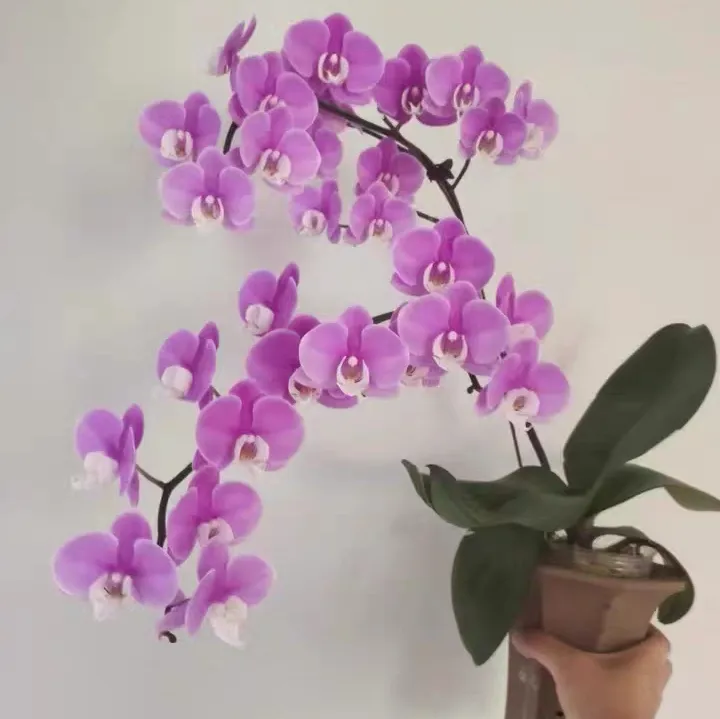
What's the matter with the cracking of new leaves of Phalaenopsis?
Phalaenopsis orchids are elegant and beautiful, but sudden cracks in their new leaves can really affect their appearance! In fact, most of the time, it’s due
-
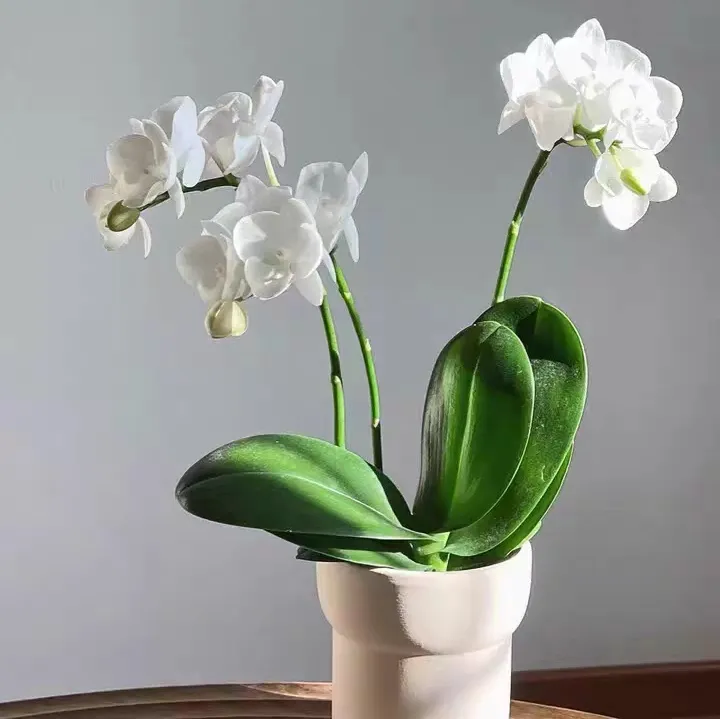
What causes the leaves of Phalaenopsis to turn mushy (liquefy)?
The most dreaded issue when growing Phalaenopsis orchids is leaf liquefaction—plump leaves suddenly turn soft, yellow, and mushy to the touch. If not handled
条件筛选