-

What are the characteristics of Wenzhou bonsai? A detailed explanation of styling styles and production techniques
1. The tall-trunk combined planting style is the main form of Wenzhou five-needle pine bonsai. The tall-trunk combined planting style of five-needle pine bonsai is a development of the traditional Zhejiang bonsai form. The tall trunk also embodies the style and spirit of the pine tree, and it runs counter to the regular-style bonsai's pursuit of the soft beauty of curves. Selection of styling style
-
Crabapple bonsai pictures to admire, multiple styles are simply breathtaking
Chinese name: Crabapple bonsai Genus: Rosaceae Malus / Chaenomeles. Crabapple flowers are a material for making bonsai. Crabapple is the general and common name for various plants of the genus Malus and several plants of the genus Chaenomeles. The representative plants, crabapple flower and Chaenomeles sinensis (Chinese quince), are both shrubs or small trees of the Rosaceae family, and are famous ornamental tree species in China, commonly cultivated in various places.
-
Purple Sandalwood Bonsai Photo Gallery: Many Exquisite Styles for Your Reference
Chinese name: Purple Sandalwood. Other names: Green Dragon Wood, Yellow Cypress Wood, Rosewood, Flower Hazel Wood, Feather-leaf Sandalwood. Latin scientific name: Pterocarpus indicus. Family and genus: Fabaceae, Pterocarpus. Purple Sandalwood is a tree of the Fabaceae family and Pterocarpus genus, and is one of the world's precious timbers. Purple Sandalwood bonsai has also long been favored by bonsai enthusiasts.
-
Rose bonsai pictures for your appreciation, with multiple styles for your reference
Chinese name: Rose bonsai Family and genus: Rosaceae, Rosaceae This article has collected and compiled some rose bonsai pictures. They are a combination of roses and bonsai, possessing both the natural beauty of bonsai and the brilliance of roses. Rose bonsai are mostly obtained by grafting roses onto wild rose rootstocks, and the method is simple
-
Chinese Elm bonsai pictures for appreciation, with many exquisite styles for reference
Chinese name: Chinese Elm. Other names: Small-leaf Elm. Latin scientific name: Ulmus parvifolia Jacq. Family and genus: Ulmaceae, Ulmus. Because of its graceful tree form, elegant posture, and fine, dense branches and leaves, the Chinese Elm is considered an excellent material for making bonsai, so Chinese Elm bonsai is also very popular among bonsai enthusiasts
-
Maple bonsai picture gallery, with many fine styles for reference
Chinese name: Maple bonsai Family and genus: Aceraceae, Acer genus. Maple bonsai pictures are an important reference for making maple bonsai. Flower lovers who like bonsai can shape their trees later based on other people's maple bonsai pictures. The editor of this article has collected and organized more than ten maple bonsai pictures. They are not only beautiful but also down-to-earth, suitable for flower lovers to imitate.
-
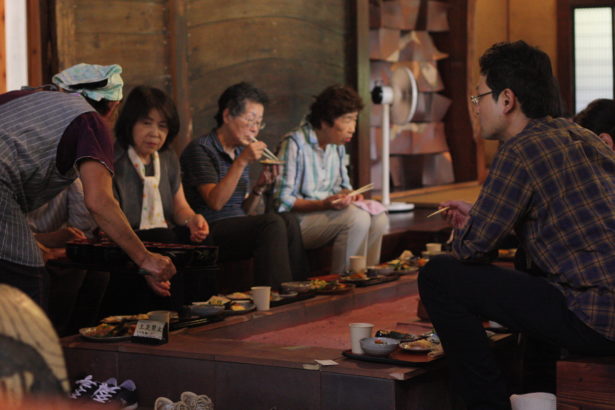
Ubusuna-no-Ie Art Festival Limited-Edition Food Journey: From Post-Earthquake Recovery to a Ceramic Art Lifestyle Restaurant
Art Festival Limited-Edition Food Journey | Surviving the Earthquake, Transformed into a Ceramic Art Lifestyle Restaurant | Ubusuna-no-Ie
-
Apprenticeship Ceremony at the Humble Administrator's Garden - Suzhou-style Penjing Passed Down Hand to Hand and Mouth to Mouth
Apprenticeship ceremony at the Humble Administrator's Garden: the master burns incense, the student presents the apprenticeship letter and offers the ceremonial tuition gift, then bows three times to the master. Master burns incense, student presents the apprenticeship letter and offers the ceremonial tuition gift, bows three times to the master, master and student burn incense together. Yesterday afternoon, at the Yuanxiang Hall of the Humble Administrator's Garden, following the procedures of traditional Han rites, three master-apprentice pairs including Mao Fumin and Ji Heng held a grand ceremony of formal apprenticeship.
-
What is the beauty of forest-style bonsai? Let us experience it together
Influenced by my father since childhood, I have always been very interested in plants and flowers. As my knowledge has broadened over the years, I have also gained a different understanding of bonsai. Because bonsai is the further display and development of the individual characteristics of plants, I have come to love bonsai as a sculptural art even more
-
Three Bonsai Styles and How to Make Them: Exposed Root, Forest, and Miniature
Exposed-root bonsai. (1) Shallow planting and root lifting. Grow in a shallow pot, choosing a semi-finished stump with well-developed main roots that is easy to shape. Arrange the lateral roots at the base in an attractive way so they are exposed above the potting soil. For stumps whose basal lateral roots are not suitable for direct exposure, use the root-lifting method to lift the roots above the soil surface, and cultivate the exposed roots sensibly in keeping with the form of the stump. (2) Raising roots to expose them
条件筛选