-
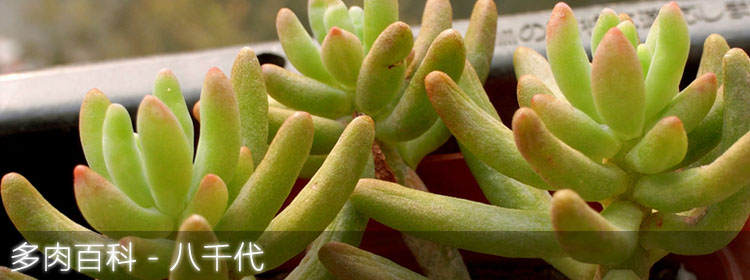
What are the characteristics of Haworthia truncata? A complete guide in one article
Haworthia truncata, also known as truncated haworthia, is a succulent plant (also called a succulent) of the genus Haworthia in the family Liliaceae. The plant has no stem, and its fleshy leaves are arranged in two rows in a fan shape. The leaves are upright, curving slightly inward, with a slightly sunken top. The surface is rough, green to dark greenish-brown, with small wart-like protrusions, and the cross-section of new leaves is partly transparent and grayish-white.
-
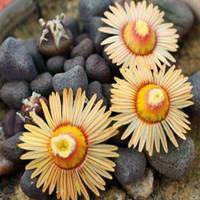
What are the characteristics of the Tang fan (Mitrophyllum)? A complete guide to this plant
Tang fan (Mitrophyllum) is a perennial succulent herbaceous plant of the genus Mitrophyllum in the family Aizoaceae, native to South Africa. It prefers a cool, dry environment with plenty of sunlight, dislikes intense heat, is not tolerant of waterlogging, and is drought-tolerant. It grows during the cool season and goes dormant during the high temperatures of summer.
-
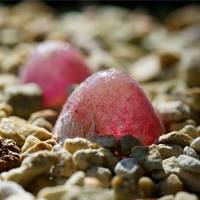
What are the characteristics of the bulb? A complete guide in one article
The succulent bulb is a plant in the genus Conophytum of the family Aizoaceae. The plant's surface is bright green and semi-transparent; in a suitable environment, it blooms with pale purple flowers in spring or autumn. In sunlight, the plant turns slightly red, and its crystalline, translucent appearance looks sparkling, like little glowing light bulbs, extremely beautiful.
-
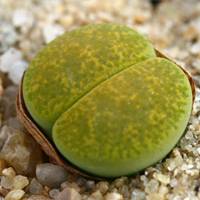
What other names does Lithops have? Let us learn about its common aliases.
Lithops is native to southern and southwestern Africa, commonly found in crevices of rock beds and among gravel. It is described as "living stones." It grows and blooms during the non-rainy season; at peak bloom, Lithops covers the desert like a huge flower blanket. But when the dry summer arrives, the desert returns to a world of "stones."
-
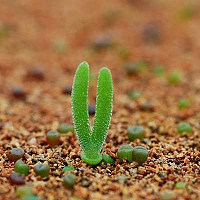
What is the common name of the Monilaria moniliformis flower? Let us introduce you to this plant
Monilaria moniliformis, of the genus Monilaria in the family Aizoaceae, is native to South Africa. It is a very drought-tolerant succulent that prefers shade. Because its shape looks very much like a little bunny, soft and adorable, it is deeply loved by plant enthusiasts.
-

What are the characteristics of New Zealand spinach? A complete guide to this crop
New Zealand spinach is a plant in the Aizoaceae family, and it is actually often called sea spinach. It has considerable edible value, and its stems and leaves can be eaten.
-
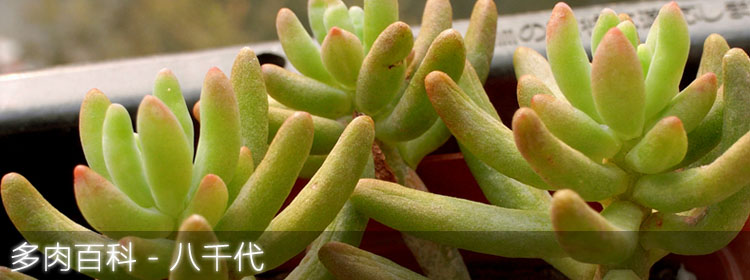
What other aliases does the branched antimima have? Let us learn about its other names
The branched antimima is a succulent plant in the Aizoaceae family. Its appearance is quite cute, and it is relatively popular among people. In fact, its appearance looks somewhat similar to that of the bunny ears (Monilaria obconica).
-
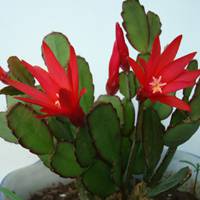
What are the characteristics of the Dancing Bones cactus? A complete guide to this plant
Dancing Bones cactus is a succulent in the cactus family, genus Hatiora, native to southeastern Brazil. Its stem segments are thick and fleshy, much branched, resembling the Christmas cactus, with fine hairs on the stems, and its flowers are pink or rose-colored with a delicate fragrance!
-

Understanding Asthma: A Complete Guide to Its Various Pathological Analyses
Asthma now has allergic, variant, exercise-induced, childhood, and elderly types, among various classifications, with multi-form clinical manifestations, and it is also filled with a wide variety of pathologies. In the pathology of insufficient oxygen, it reflects the deterioration of the lungs and related organs...
-
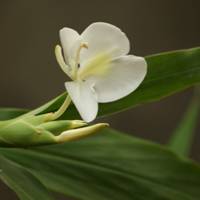
What are the other names for ginger lily? Let us introduce you to the alternative names of ginger lily
Ginger lily is a natural air purifier placed indoors, producing dazzling, eye-catching flowers. It originated in tropical Asia and was introduced to our country during the Qing Dynasty.
条件筛选