-

How to tell if a Phalaenopsis orchid's roots have aged? Beginners can tell at a glance with these few points
The orchid roots at home look listless - is it lack of water or aging? In fact, root aging is a normal part of Phalaenopsis growth, but if you can't tell the difference, treating aged roots as healthy roots, or mistaking healthy roots for aged roots and cutting them off, can easily harm the plant. Today let's talk about how to use the three tricks of "look, touch, pull"
-
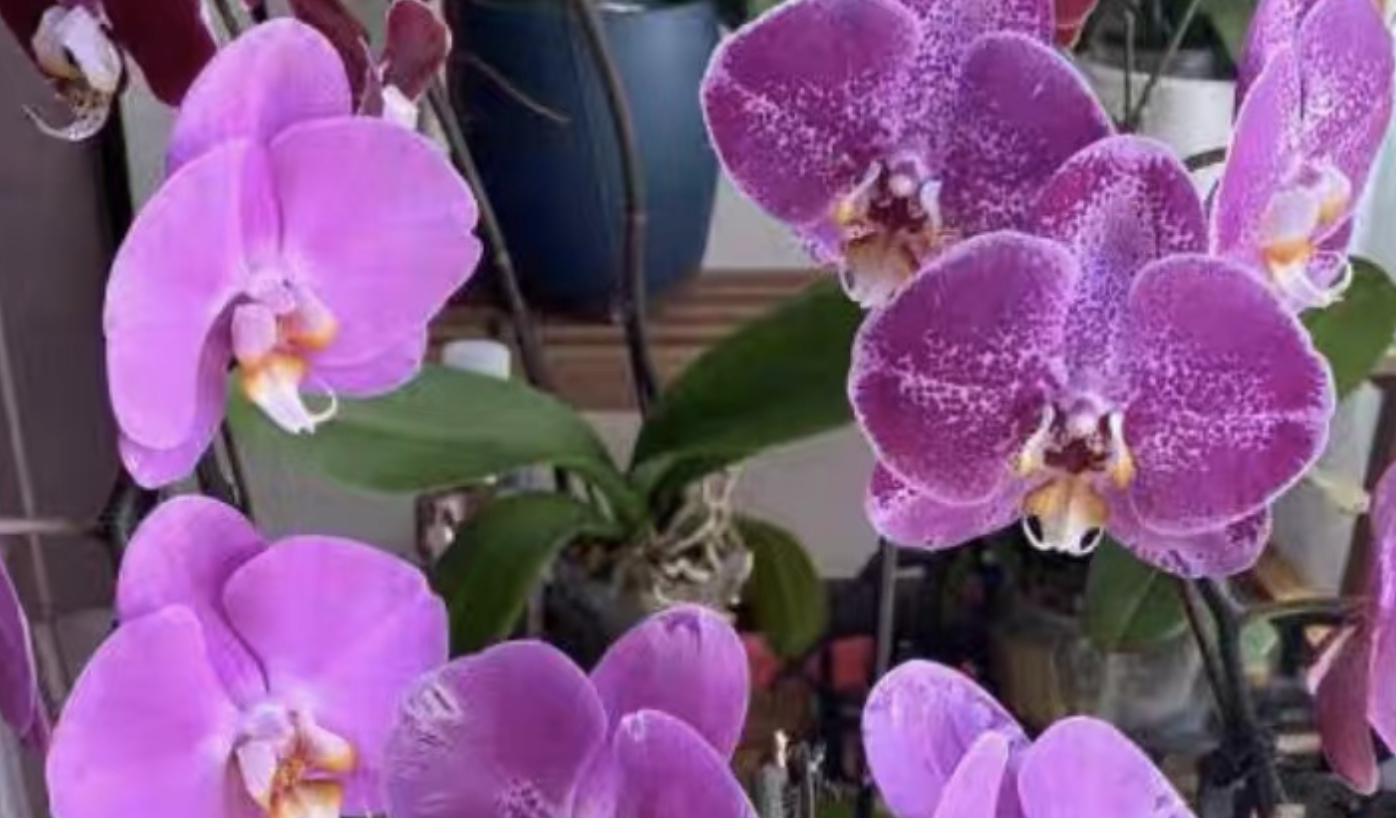
How should flowers be cared for after the beginning of autumn? Which plants require pruning to encourage blooming?
In Guangdong, even though autumn has officially begun, daytime temperatures can still reach around 32°C. For Phalaenopsis orchids, care should still follow
-
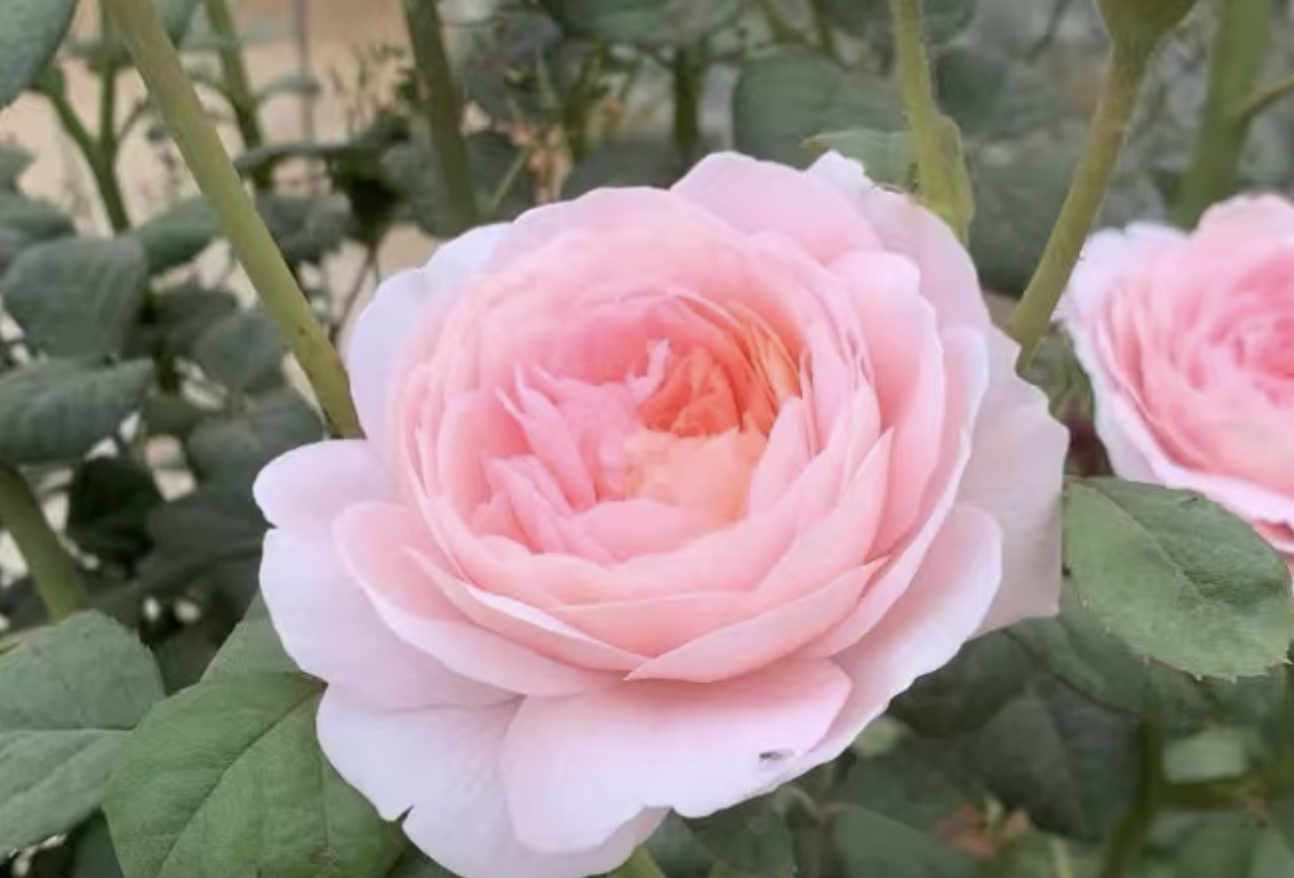
How should flowers be cared for after the beginning of autumn? Which plants require pruning of branches and leaves to encourage blooming?
As autumn arrives and temperatures drop compared to the heat of June and July, it’s the perfect time to give your plants a “haircut.” Proper pruning at this
-
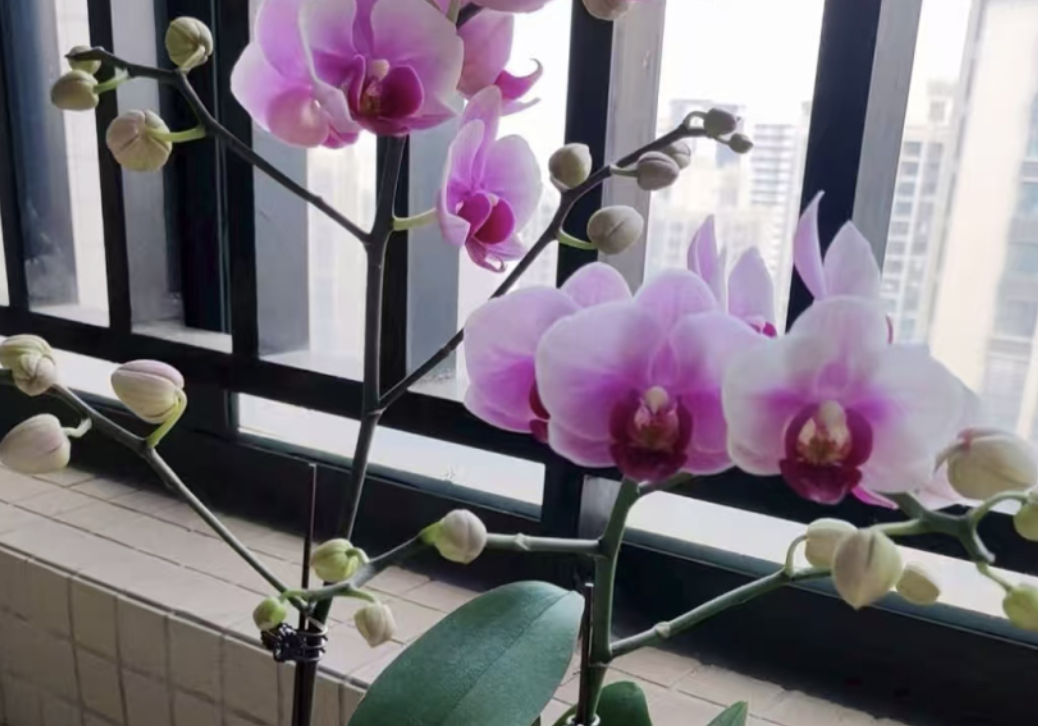
How does a Phalaenopsis orchid show signs of insufficient light? And what does it mean when it develops 'crystal tips'?
As most gardeners know, flowers and plants generally need light to grow, and the graceful Phalaenopsis orchid is no exception. However, since its natural
-
What are the best practices for growing Phalaenopsis orchids? And how should you care for them after trimming the flower spike?
Flowers bloom and fade, and caring for Phalaenopsis orchids after they finish flowering is especially important. For beginners, knowing how to manage the plant
-

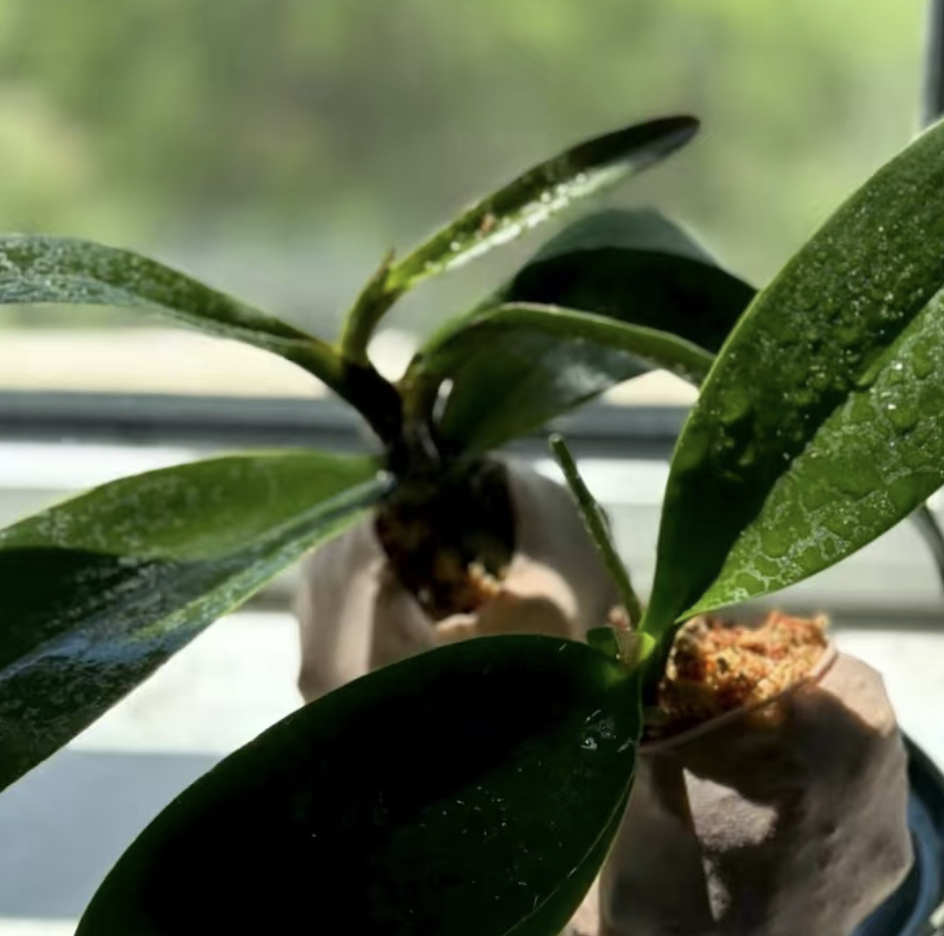
After upgrading the cup of young Phalaenopsis seedlings, learn step by step how to grow strong seedlings, identify roots, and care for them all in one go
When growing young Phalaenopsis seedlings, many flower enthusiasts always think "young seedlings don't need an urgent cup change," and end up stifling the seedlings! Just like this 1.7-inch tissue-cultured seedling at the base, after only 4 months of growing, the roots are already densely emerging and look about to drill out from the bottom of the cup - at this point, it must be upgraded in time, switched to a 2.5-inch cup, to give the young seedling enough
-
How to Determine if a Phalaenopsis (Moth Orchid) Has Entered Its Growing Period
# The Key to Growing Phalaenopsis (Moth Orchids): Master Their "Growth Rhythm" The most crucial aspect of growing phalaenopsis is understanding their "growth
-
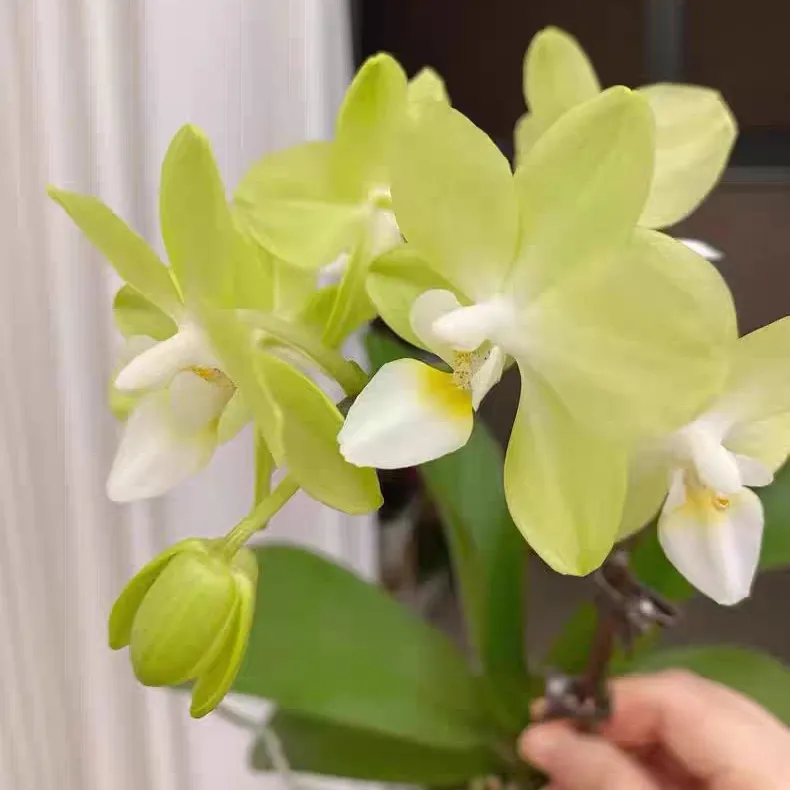
How to determine if a phalaenopsis (moth orchid) has entered its growing period?
# How to Care for Phalaenopsis: Master Its Growth Rhythm The key to caring for phalaenopsis (moth orchids) lies in understanding their "growth rhythm"—if you
-
What experience is there in caring for Phalaenopsis orchids? How to care for and manage them after cutting the spike
Flowers bloom and fade, and post-bloom care of Phalaenopsis orchids becomes the top priority. For beginners, what care points should we master after cutting the spike? After cutting the spike of a Phalaenopsis orchid, you need to do a good job with light, watering, temperature, fertilizing and other steps. In detail, light is the plant's "source of energy," and what orchids like is that bright
-

Is it normal for Phalaenopsis roots to turn black? How to judge healthy root color
Some friends who grow Phalaenopsis orchids panic the moment they see roots that aren't the white they imagined, especially when black appears: "Is it root rot? Is this plant beyond saving?" In fact, Phalaenopsis roots come in many colors, and not all black roots are a problem. First figure out "what a normal root should look like", then judge whether blackening is normal.
条件筛选