-
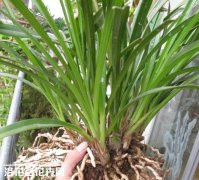
How to Plant an Orchid Just Dug Up? Detailed Guide to Potting and Planting
If a newly dug orchid has not been out of the ground for long and still has flowers, it can be planted directly. If it has no soil, check how severely the roots are damaged and prune appropriately to reduce nutrient loss, so the plant can recover its vigor as quickly as possible after potting. ...
-

How to plant orchids when they have flower buds
When you bring home an orchid with flower buds, it can still bloom. The key is to be especially careful during the process of cleaning, disinfecting, drying and potting after you bring it home. Try not to let the flower buds be submerged in water. ...
-
How do you deal with small black spots on the underside of orchid leaves?
In orchid growing, if you want to raise robust seedlings free of disease spots, the first thing you must face is infectious diseases, which fall into four major categories: fungal, bacterial, viral and nematode. ...
-

How is zero detection of lean meat powder achieved? Red lines for farmers' medication and key testing points
Zero detection of lean meat powder is the bottom line for livestock product quality and safety. This article introduces the harms of lean meat powder, source control methods in farming, and key points for sampling and testing, helping farmers produce meat they can trust and take the first step toward premium agriculture.
-
How to choose orchid potting medium? A detailed method explained clearly in one article
People usually describe orchids (specifically Chinese orchids, the same below) as terrestrial plants, but strictly speaking, this is a misunderstanding; orchids should be semi-epiphytic plants. The stomata on orchid leaves are sunken, so respiration is incomplete, and the roots must also help with respiration....
-
How does the planting depth of orchids affect strong shoots?
At present, the relatively consistent view is that deep planting produces relatively fewer shoots, but the shoots are stronger, and the seedlings are strong and bloom well; shallow planting produces more shoots than deep planting, but the shoots are weaker, which of course is also related to the nutrients being spread among many shoots....
-
How to identify the petal types of Cymbidium goeringii (spring orchid)? Let's discuss it together with fellow orchid growers.
Knowledge should be concise. Here is a brief summary of how to identify the petal types of Cymbidium goeringii (spring orchid): Three characteristics of the lotus petal type: the three outer petals are broad and wide, thick and substantial in texture, shaped like lotus petals. ...
-
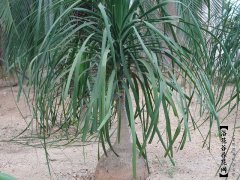
How to grow a ponytail palm? Detailed care instructions
The ponytail palm (Beaucarnea recurvata), also called the elephant-foot tree, belongs to the Agavaceae family, genus Beaucarnea. The ponytail palm loves sunlight and can take direct sun all year round; even in the hottest midsummer, continuous exposure under the blazing sun will not scorch its leaves. However, it is not cold-hardy, so in northern regions it must be brought indoors before Frost's Descent, placed in a warm, sunny spot....
-
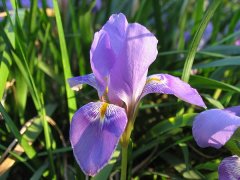
How to grow stock (Matthiola incana)? Detailed guide to cultivation methods and care tips
Stock flowers come in single and double forms. The double flowers are large and compact, like hydrangea blooms forming a flower column; the single flowers are loose, with blossoms like butterflies chasing and dancing. The flower colors are rich and gorgeously lovely, and they have an inviting fragrance. Its varieties are divided into 3 types: (1) Summer stock: also called fragrant stock. Annual, with small stems and leaves, early-flowering, growing period 100-150 days, with a strong fragrance. ...
-
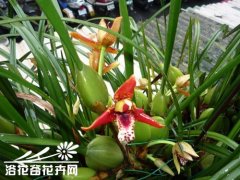
How to grow Maxillaria? Cultivation methods and experience sharing
Maxillaria prefers a hot and humid climate, and requires sufficient sunlight. In spring, autumn and winter the sunlight is milder, so full sun is acceptable; in summer, move it to a spot with partial sun or avoid the strong direct light at noon, and you can also use a shade net to block part of the light. ...
条件筛选