-
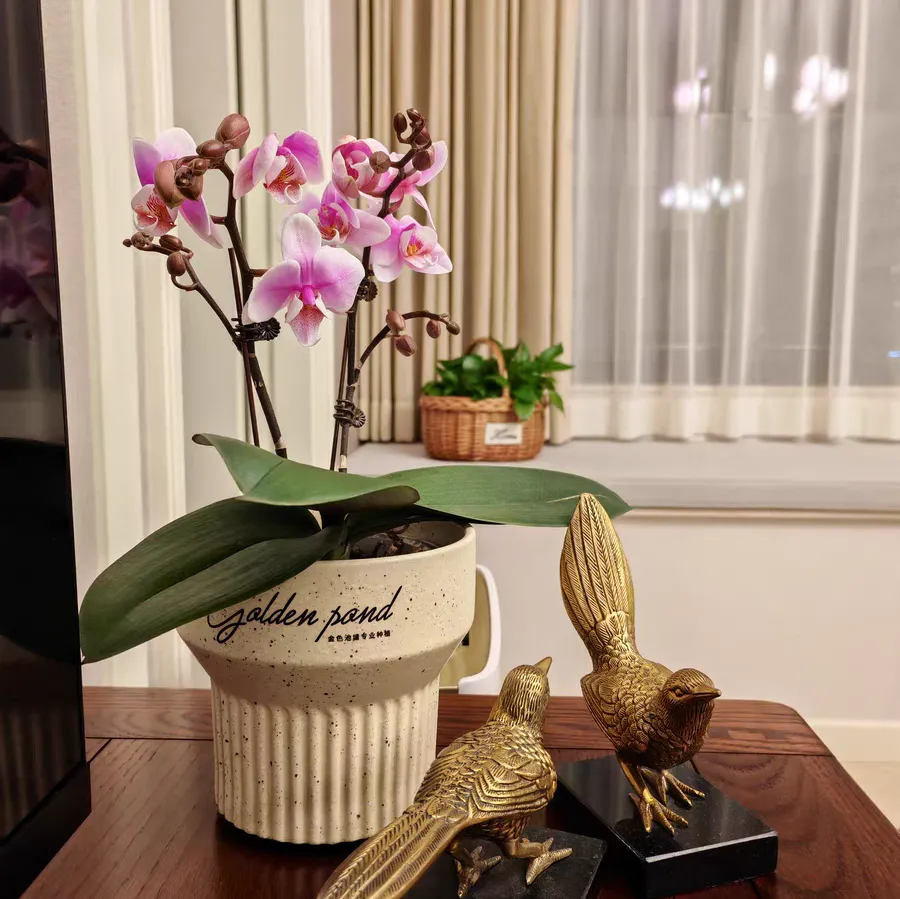
How should we water the Phalaenopsis orchids when their roots are not visible?
Friends who grow Phalaenopsis orchids must have had this kind of trouble: when the roots are not visible, how on earth should we water them? Don't worry.
-

How to Simply Treat Moldy Roots When Propagating Roots of Phalaenopsis (Moth Orchid)?
During care, many flower enthusiasts encounter the problem of moldy roots on Phalaenopsis orchids, which not only affects the plant's appearance but may also pose a threat to its health. So, when facing moldy Phalaenopsis roots, how should we handle it? The causes of moldy Phalaenopsis roots are varied, mainly including overwatering, substrate
-
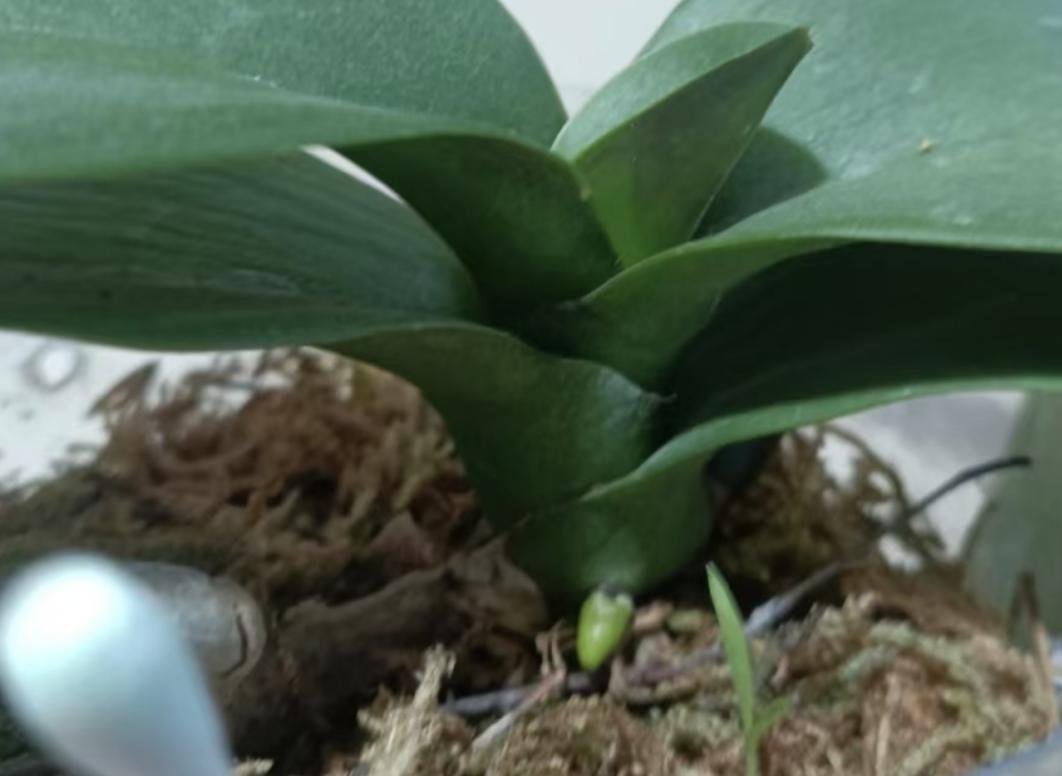
How to deal with the problem of small leaves of Phalaenopsis?
The flowering period of Phalaenopsis can last for several months, and it can even span the entire winter. Therefore, it has become the "most affectionate
-

How do you grow Phalaenopsis orchids so they produce more flower buds and bloom quickly?
Many people run into a problem when growing Phalaenopsis orchids: how can you get the orchid to produce more flower buds and bloom quickly? Let's take a look at this question below and share some practical methods and tips. Phalaenopsis orchids like a breathable, well-draining medium, such as a mix of moss, coconut coir, perlite and the like.
-

How to Transfer a Hydroponic Phalaenopsis (Moth Orchid) to Soil Culture and Points to Note
Hydroponic Phalaenopsis orchids are favored by many enthusiasts for their unique ornamental value and ease of care. As the plant grows, some growers may wish to transfer a hydroponic Phalaenopsis to soil culture to promote more robust growth and flowering. Steps for transferring a hydroponic Phalaenopsis to soil culture: Prepare the pot and soil: Soil selection: Phalaenopsis likes
-

Do Phalaenopsis orchids need strong light? How many hours of light per day
Anyone who grows Phalaenopsis orchids at home knows that if you want them to grow well and bloom beautifully, light is key. The influence of light on Phalaenopsis orchids must be considered in every respect. Light intensity matters a great deal. Phalaenopsis orchids originally grow in the shade of trees in tropical rainforests, so they prefer medium-intensity diffused light. If the light is too strong, the sunlight
-

How to Keep Phalaenopsis Warm in Low Temperatures and the Ideal Temperature for Forcing Blooms
For Phalaenopsis (moth orchids), the low temperatures of winter pose a major challenge to their growth and flowering. Below is a detailed guide on how to provide effective warmth for Phalaenopsis in low-temperature environments, as well as suitable temperature control methods for forcing blooms, helping your Phalaenopsis get through the cold winter and bloom beautifully. Phalaenopsis low-temperature warmth tips: temperature mon
-

What does "acclimatization" mean for Phalaenopsis orchids, and how many days does it take?
Acclimatization, a term especially important in plant care, is all the more so for the delicate Phalaenopsis orchid. It refers to gradually moving a plant from one environment to another different environment; through this process, the plant can gradually adapt to the conditions of the new environment, thereby reducing the growth stress caused by sudden environmental changes.
-
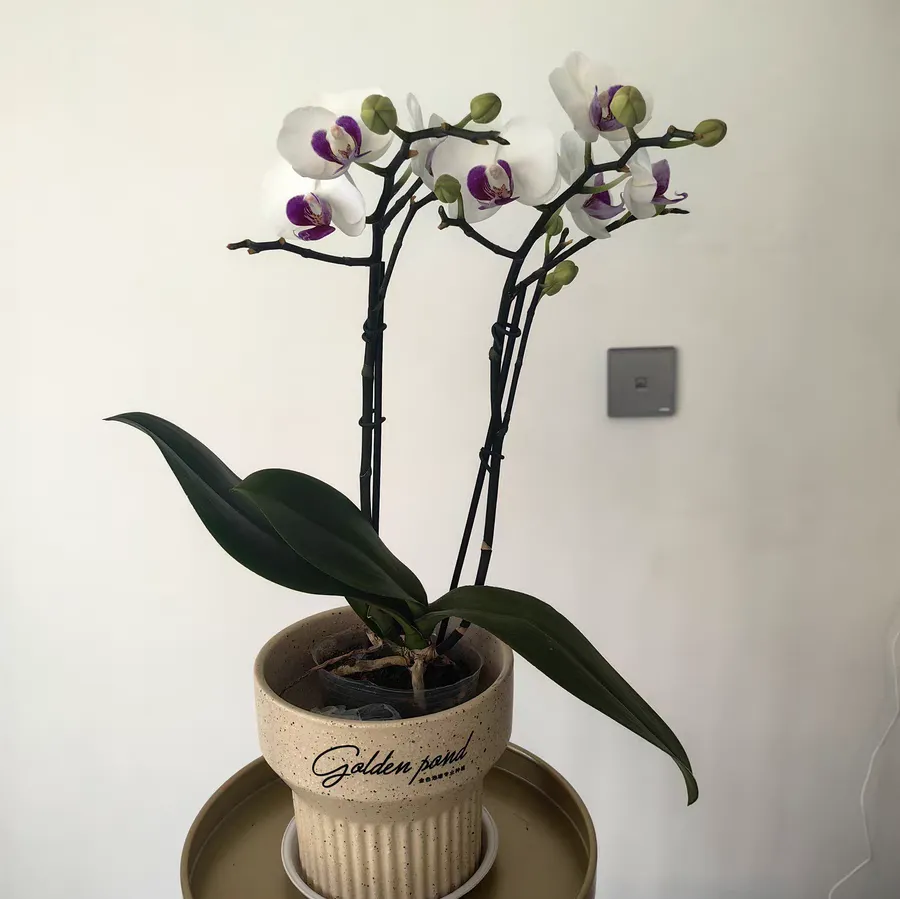
How to shape the too long flower spike of Phalaenopsis?
Friends who grow Phalaenopsis orchids at home must have all encountered this situation: the flower spike grows rapidly and becomes very long. At this time, you
-

How to care for and manage Phalaenopsis after it grows a flower spike
Everyone knows that Phalaenopsis (moth orchid) is especially beautiful when it blooms, but when it has finally managed to put out a spike, if the follow-up care can't keep up, that would really be a shame! Don't worry, the care tips below will surely help you keep your Phalaenopsis perfectly happy and produce large, beautiful flowers. Light management: after a Phalaenopsis grows a spike, it needs
条件筛选