-
How to Grow Phalaenopsis in Water? Detailed Methods and Tips
Phalaenopsis (moth orchid) is an excellent choice for home decor; simply place it in a vase and it instantly elevates the style of your home, and its blooming period lasts as long as 1-2 months, or even longer, truly earning its reputation as a "lazy person's fresh flower." Below, let me introduce how to grow and care for Phalaenopsis in water. High water level: For Phalaenopsis, ample and high-quality water is
-

How deep is the pitfall of those flower-pruning methods popular online?
Dear plant lovers, today I just have to chat with you about those hilarious "epic fail" moments in plant care that make you laugh until you snort, yet are so awkward you want to curl your toes. I don't know when it started, but we no longer rely purely on experience to grow plants, and the endless tutorials online have become many people's "plant care bible." But sometimes, these bibles accidentally
-
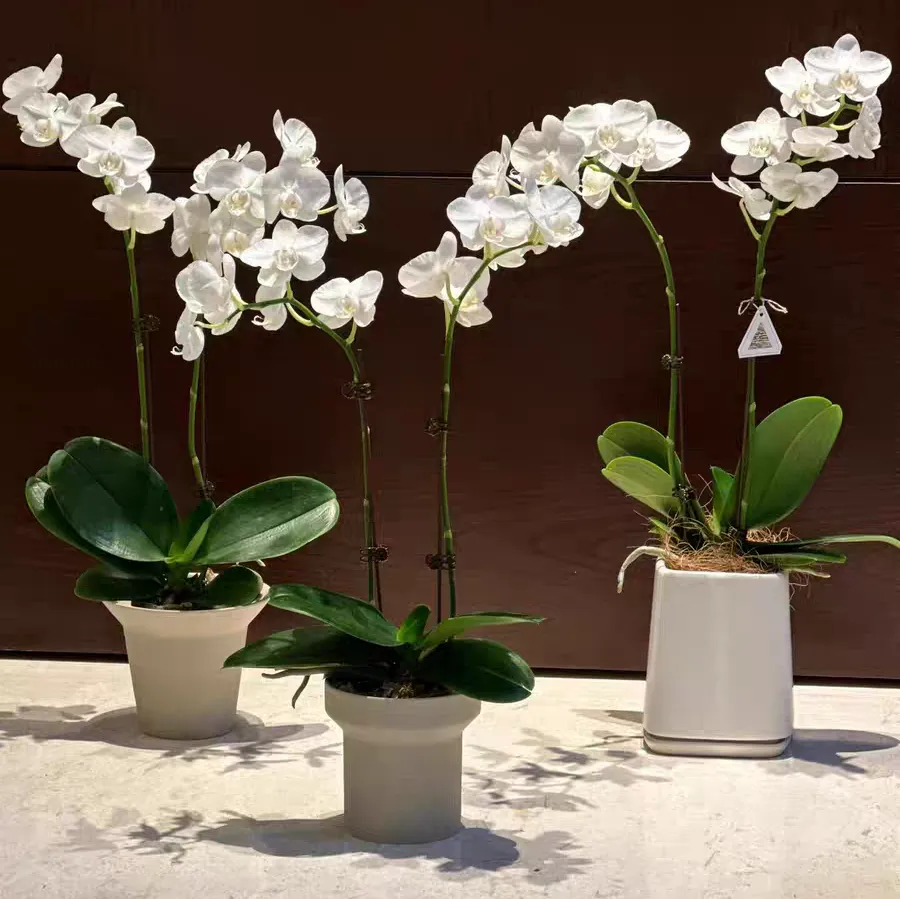
How to cultivate Phalaenopsis (orchids) hydroponically?
Phalaenopsis is an excellent choice for home decoration. Simply placing it in a vase can instantly enhance the style of your home. Moreover, its flowering
-
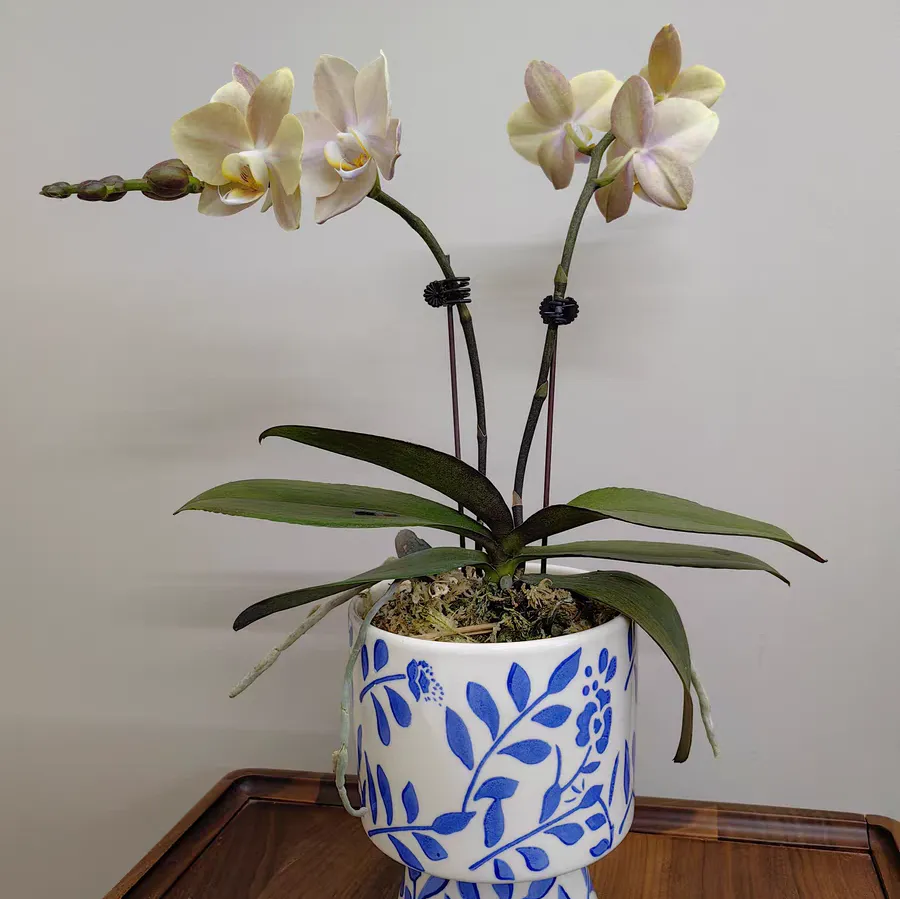
How to remedy the situation if the Phalaenopsis in white gauze is over - watered?
Today, I'd like to share with you a niche, retro, and color-changing variety - the Phalaenopsis "White Veil", also known as "White Moonlight", and its
-

How to deal with and prevent mold on Phalaenopsis pine bark?
Phalaenopsis, known as the "Queen of orchids", in the process of caring for Phalaenopsis, many flower lovers will encounter a headache - pine bark mold. This not only affects the growing environment of Phalaenopsis, but may also cause damage to its root system. When we find mold on Phalaenopsis pine bark, how should we deal with it? And how
-

How to prune a Phalaenopsis (moth orchid) after it finishes blooming? Post-bloom pruning methods
When growing a Phalaenopsis, the happiest moment is undoubtedly seeing its gorgeous blooms, but what should you do after the flowering period ends? Today I will explain in detail how to prune a Phalaenopsis after flowering. The degree of pruning directly affects the subsequent growth and blooming state of the Phalaenopsis. If you are eagerly hoping for it to rebloom quickly,
-

How do you save a Phalaenopsis orchid whose roots have all rotted and get it to grow new roots?
As a common Chinese New Year flowering plant, the Phalaenopsis orchid (Phalaenopsis spp.) is very prone to root rot due to poor ventilation or improper watering. When the roots of a Phalaenopsis orchid rot, how do we get it to grow new roots? Even if all the roots of the Phalaenopsis orchid have rotted, is there still a chance to save it? The causes of root rot in Phalaenopsis orchids are many and varied, mainly
-

What harm does an overly high water level cause in hydroponic Phalaenopsis orchids, and how high is appropriate?
In recent years, hydroponic Phalaenopsis orchids have become increasingly popular among flower enthusiasts as a unique cultivation method. During hydroponic cultivation, water level management is especially important, particularly avoiding the harm caused by an overly high water level. Harm of an overly high water level in hydroponic Phalaenopsis orchids: blocked root respiration: Phalaenopsis orchid roots are aerial roots and need
-

How do you treat black rot on the neck of a Phalaenopsis orchid?
Phalaenopsis orchids inevitably run into some problems during care, and black rot on the neck is one of the more common diseases. This disease causes black rot on the neck of the Phalaenopsis, and in severe cases can even lead to the death of the plant. Black rot on the neck of Phalaenopsis is usually caused by a pathogen infection, and the early symptoms may appear as
-

A treasure in Hangzhou Botanical Garden - how Styrax dasyanthus transforms into a "pearl fairy"
In a corner of Hangzhou Botanical Garden, a "treasure tree" is quietly hidden. When a particular season arrives, it becomes covered in "pearls," dreamlike and enchanting, drawing countless visitors to stop and marvel. It is Styrax dasyanthus. Speaking of the discovery of Styrax dasyanthus, we must go back to the late Qing Dynasty. At that time, Western botanists were keen to venture deep into China's
条件筛选