-

After upgrading the cup of young Phalaenopsis seedlings, learn step by step how to grow strong seedlings, identify roots, and care for them all in one go
When growing young Phalaenopsis seedlings, many flower enthusiasts always think "young seedlings don't need an urgent cup change," and end up stifling the seedlings! Just like this 1.7-inch tissue-cultured seedling at the base, after only 4 months of growing, the roots are already densely emerging and look about to drill out from the bottom of the cup - at this point, it must be upgraded in time, switched to a 2.5-inch cup, to give the young seedling enough
-

What is the best and most cost-effective substrate for growing Phalaenopsis orchids at home?
Friends who grow Phalaenopsis orchids surely know: "To grow orchids, first grow the roots; to grow the roots, rely on the substrate." Unlike growing pothos or succulents in ordinary potting soil, Phalaenopsis is an epiphytic orchid with aerial roots that need to breathe air. If you use sticky garden soil, the roots will surely rot within half a month. So when choosing a substrate, never be careless. You have to pick those that are breathable, water-retentive yet not root-suffocating, and also cost-effective. After all, we are growing flowers at home, and there is no need to spend a lot of money on fancy but impractical things.
-

Which flowering plants are suitable for growing on a home balcony in autumn?
In the blink of an eye, the autumn solar term has arrived again, and the weather is starting to turn cool. For balcony gardening enthusiasts, this is the best time to buy and grow flowers. Below are several recommendations for beautiful flowers that easily fill out a pot. Chrysanthemums - Autumn is the season when chrysanthemums bloom in full glory. If you get chrysanthemum seedlings in August or September, they can easily bloom into a full pot.
-
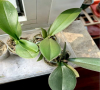
What experience is there in caring for Phalaenopsis orchids? How to care for and manage them after cutting the spike
Flowers bloom and fade, and post-bloom care of Phalaenopsis orchids becomes the top priority. For beginners, what care points should we master after cutting the spike? After cutting the spike of a Phalaenopsis orchid, you need to do a good job with light, watering, temperature, fertilizing and other steps. In detail, light is the plant's "source of energy," and what orchids like is that bright
-

Is it normal for Phalaenopsis roots to turn black? How to judge healthy root color
Some friends who grow Phalaenopsis orchids panic the moment they see roots that aren't the white they imagined, especially when black appears: "Is it root rot? Is this plant beyond saving?" In fact, Phalaenopsis roots come in many colors, and not all black roots are a problem. First figure out "what a normal root should look like", then judge whether blackening is normal.
-

Tired of root rot when growing flowers? Tuck a few small things into the pot for better airflow and drainage, and the roots will grow stronger
The biggest headache in growing flowers is root rot - you clearly don't water much, yet the plant still droops, and when you take it out of the pot it's all black, mushy rotten roots, heartbreaking and a waste. Actually, the core problem with root rot is just one thing: water accumulates in the pot and can't drain out, so the roots are smothered in wet soil and lack oxygen. Don't just blame yourself for being heavy-handed with the watering can - add some "small things" to the pot,
-
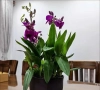
Is there any hope for a wilted Phalaenopsis? Let me help you find the cause and save your beloved orchid
You carefully nurtured your Phalaenopsis, and suddenly the leaves are soft and droopy, the buds and flowers are wilting and hanging down - it hurts just to look at it. What on earth is going on? Is there any hope? Actually, a drooping Phalaenopsis isn't that scary. The key is to first identify the cause and then treat it. Below, the common problems and solutions are explained clearly to help you save your beloved orchid. A drooping Phalaenopsis may look like it's "lacking energy
-

What green plants should you place after whole-house custom cabinetry? These absorb formaldehyde fast, and even beginners can grow them
Friends who have just finished whole-house custom cabinetry are surely anxious: "There is a bit of a smell at home, what green plants can I place to absorb formaldehyde faster?" To be honest, green plants are not a "cure-all" for absorbing formaldehyde and cannot replace ventilation and professional formaldehyde removal, but choosing the right varieties for your home can both help purify the air and add a bit of life, making it more comfortable to live in. Today
-

Choose these 5 plants as gifts for elders: good meaning, low maintenance and very likable
Worried about picking the wrong gift for an elder? Actually, giving a potted plant is a perfect choice - it is full of life, shows your care, and makes the elder happy every day just by looking at it. Today I will recommend 5 plants that are great for giving to elders. Each one has an auspicious meaning and is not troublesome to care for, so you can pick any of them and not go wrong! Cymbidium sinense: This is a long-
-

What Fertilizer Is Best for Phalaenopsis in Autumn? Autumn Fertilization and Care Methods
Growers of Phalaenopsis (moth orchids) all know that autumn is its "key sprint period" - on one hand it needs to grow new roots and strengthen its leaves, and on the other hand it has to build up strength for winter blooming. When autumn comes, what exactly should you feed it? Too much fertilizer and you risk burning the roots; too little and you risk nutrient deficiency. First, you need to understand what Phalaenopsis needs most in autumn. Summer temperatures
条件筛选