-
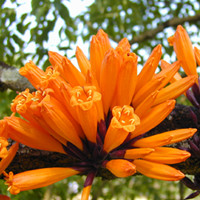
What are the characteristics of the African tulip tree? A complete guide to its features
The African tulip tree is a beautiful tree native to tropical regions. It can be grown outdoors, or dwarfed and made into a potted plant for indoor growing.
-
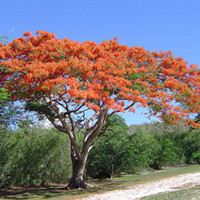
Just how strong is the adaptability of the African tulip tree?
The African tulip tree is a beautiful ornamental plant with a relatively tall tree form, and it blooms with spectacular brilliance.
-
The African Tulip Tree has these other names too - see how many you know
The African Tulip Tree is a beautiful ornamental plant, relatively tall in form, and extremely brilliant when in bloom.
-
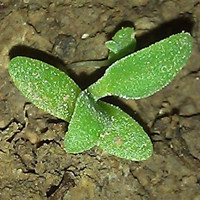
What kind of growing environment suits African ice plant?
African ice plant is a biennial plant belonging to the family Aizoaceae. It is actually edible, and in recent years it has also been grown in China, though it is often cultivated as an ornamental plant.
-
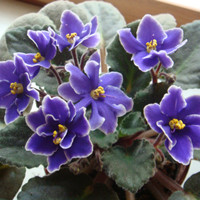
What are the other names for African violets? It turns out they have these names too
The African violet, also known as the African violet (Saintpaulia), blooms beautifully and flowers in all four seasons. It is a perennial herbaceous flower suitable for growing at home.
-
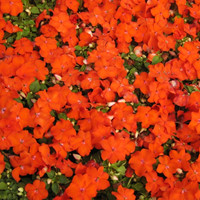
What other names does the African impatiens have? These names you may not know
African impatiens is a perennial herbaceous plant, and in Europe and America it is a relatively popular potted flowering plant. So, do you like this beautiful African impatiens?
-

African smallholders squeezed out by the Green Revolution, hunger remains unsolved, transnational alliance pushes for food sovereignty
Green Revolution squeezes out African smallholders, hunger problem unsolved | African transnational alliance pushes "food sovereignty," emphasizing health and human rights
-
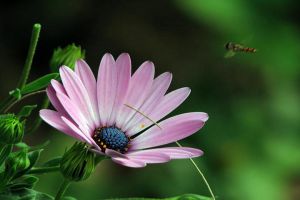
Reasons for Yellowing Leaves on Blue-Eyed Daisy (African Daisy) and How to Fix Them
For this phenomenon, there are mainly three reasons. The first is water: too much or too little has the same consequence, and both can turn the leaves yellow. So, depending on the different cause, the first task is to adjust the amount of water. The second is fertilizer. Here we mainly mean that its concentration is too high or the amount is too much. To address this, what we need to do is control the amount and adjust the concentration. The third is light. If there is too little light, then there will be less chlorophyll, and the leaves will turn yellow. So, providing it with sufficient light may ease the phenomenon.
-

-
条件筛选