What Are Moringa and Moringa Seeds? A Detailed Guide to Their Characteristics and Benefits
Moringa, also known as the miracle tree, has drawn growing attention and curiosity in recent years; its traces can be seen everywhere from organic food stores to the ingredients of beauty and skincare brands. So what secrets do moringa and moringa seeds hold, that they are not only a driver of environmental protection,
Moringa, also known as the miracle tree, has drawn growing attention and curiosity in recent years; its traces can be seen everywhere from organic food stores to the ingredients of beauty and skincare brands. So what secrets do moringa and moringa seeds hold, that they are not only a driver of environmental protection, but also a source of nutrition that benefits both the body and the skin? Don't worry, this time let Greenvine take you through a complete introduction to this tree of life, which is high in both nutritional and economic value!
An Introduction to Moringa
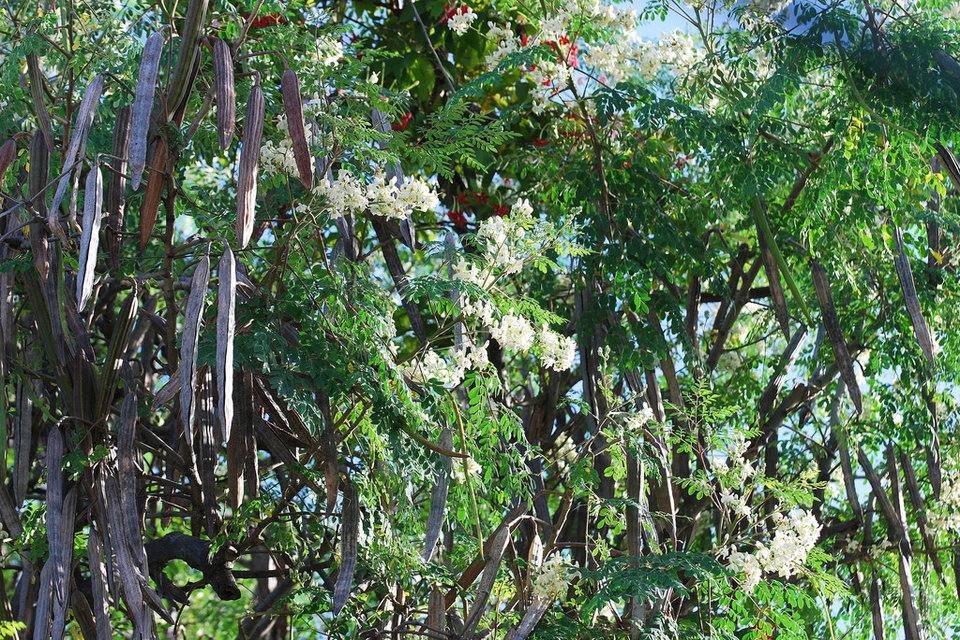
Originating in India and Africa, moringa (Moringa; also called Malunggay by locals) is a perennial tropical deciduous tree that can live up to 20 years. The bark of the moringa tree is soft and corky in texture, and at the tip of each branch, two to three rows of pinnate compound leaves interweave. The seed pods of moringa are slender in appearance, about 20~60 cm long.
The young leaves of the moringa tree grow very quickly and can be harvested about once every 2-3 weeks; older leaves, on the other hand, can be dried after harvest and processed into powder as a food additive. A moringa pod contains about 12~35 moringa seeds, and each moringa tree can produce an average of ten thousand to thirty thousand seeds per year. The seeds have a grayish-brown, triangular shell, and mature moringa seeds have an oil content of about 30~40%, which can be pressed into oil.
The temperature best suited for moringa growth is about 25 to 35°C, but with shade it can also tolerate high temperatures above 40°C. Because moringa grows at an astonishing rate, it can reach a height of about 4~5 m in roughly one year; and a moringa tree after five years of growth produces twice as many seeds as the first batch originally planted, making it a plant with remarkably strong vitality.
The planting season for moringa is mainly during the local rainy season, around February and March. Because moringa itself is quite adaptable, it can continue to survive whether in semi-arid regions or in humid tropical environments with rainfall exceeding 3,000 mm. Moringa seeds are harvested twice a year, in January and in October or November. When the seeds on the tree are hard and dry enough and have cracks on their surface, it is the right time to harvest.
Every Part Has a Use! The Nutrition of Moringa
Not only is the entire moringa plant edible, but the "moringa leaves" are also rich in B vitamins, A, and C, minerals such as potassium, calcium, iron, magnesium, selenium, and zinc, as well as antioxidants such as polyphenols and flavonoids, all of which are highly beneficial to health. In addition, moringa also contains eight of the essential amino acids that the human body cannot produce on its own and must obtain through diet, which can help boost cellular immunity and maintain the function of organs and tissues, making it one of the excellent choices for vegetarians to supplement protein. In India and Africa, moringa is also widely used to treat skin diseases, anemia, rheumatic diseases, and gout, among other ailments.
Besides medical uses, people in India and Africa also eat moringa as a vegetable, add it to soups, or toss it into salads. Moringa pods resemble green beans in appearance and taste similar to asparagus. In addition, moringa leaves and young seedlings can be ground into powder for use as a seasoning, so local residents often brew it as tea or blend it into smoothies, which is not only smooth in taste but also helps the body absorb moringa's nutrients.
Precautions for Eating Moringa
Moringa itself contains alkaloids, so people with high blood pressure, diabetes patients, those over seventy years old, and people prone to asthma triggered by allergies should ideally consume it in moderation after a doctor's guidance to avoid poisoning. For pregnant women, "moringa powder" (made from ground moringa leaves) helps postpartum women with lactation and prevents anemia, and is rich in nutrients that can help replenish the nutrients lost after pregnancy. However, "moringa flowers" and the bark of the moringa tree are abortifacients and are not safe for pregnant women, and can even terminate a pregnancy, so pregnant women should avoid consuming them.
The Secrets of Moringa Seeds
Besides the fact that its roots, seedlings, trunk, stems, and leaves all contain a remarkably diverse range of nutrients, moringa's other highlight is none other than the "moringa seed." In addition to being rich in protein, moringa seeds are also abundant in dietary fiber and unsaturated fatty acids, especially monounsaturated fatty acids, whose composition is similar to that of olive oil and helps lower bad cholesterol.
The United Nations has also, in response to the nutritional problems arising from famine among African residents, used moringa to improve child malnutrition and ease inflammation, swelling, and gastrointestinal discomfort, among other issues. For a more complete look at the nutrients in moringa seeds, see below:
Nutrient Per 100 g
Carbohydrate 8.53
Protein 2.10
Total Fats 0.20
Dietary Fiber 3.2
Total Cholesterol 0
Niacin (B3) 0.62mg
Calcium 30mg
Magnesium 45mg
Phosphorus 50mg
Potassium 461mg
A Natural Water Purifier
In environmental conservation, many scientists studying moringa have found that moringa seeds contain many low-molecular-weight water-soluble proteins, some of which are positively charged polyelectrolytes that become positively charged in solution and bind with the negatively charged particles that make water turbid, such as silt, clay, and bacteria. With proper stirring, this can help remove over 90% of bacteria and purify turbid drinking water. For residents of Africa and India, where obtaining clean water is relatively difficult, moringa seeds are undoubtedly a natural and convenient water purification tool.
Wide-Ranging Uses Beyond Food
Because moringa seeds have a strong water-retention capacity and can grow even in harsh environments, and because they contain a variety of precious nutrients, moringa extract can be found added to products in the food, medical, and even cosmetic and skincare industries. In addition, since 2015, the Greenvine team has also launched a fair trade collaboration with MoringaConnect, bringing moringa oil from Ghana in Africa back to Taiwan, China, hoping to let more people experience the true beauty of the "miracle tree."