How much is a jin of apples? An analysis of the reasons behind this year's apple price increase
China is one of the countries that produces the most apples in the world. Apples are one of the most common fruits in daily life, and their nutritional value is also relatively high, making them well liked by consumers. As for price, it has always been around six or seven yuan per jin. But this year, apple prices have been rising all the way.
Now, in some supermarkets, ordinary apples are selling for 12 yuan per jin, a price that has already doubled compared with previous years. In the view of market observers, supply and demand are the main factors affecting the prices of agricultural products, causing spot apple prices to climb.
At present, as apple prices rise, many people believe the futures market is the factor. Without much understanding of how the futures market operates, they think that so-called “financial speculation on one hand and hoarding and cornering the market on the other” has affected spot apple prices.
At the close on June 6, the 1907 contract, representing the price of apples produced last year, stood at 14,048 yuan per ton, while the 1910 contract, representing the price when this year's new-season apples come onto the market in large quantities, closed at 9,057 yuan per ton.
Frenzied apples——reduced production is the main reason
Among everyday fruits, apples have seen a slightly larger price increase. From the supply side, extreme weather occurred in major apple-producing areas in 2018, and apple production fell sharply. According to data statistics from Zhuochuang Information, as of May 23, national apple inventory was 1.37 million tons, down 46% year on year, noticeably lower than the same period in previous years. There is also another influence: newly produced fruits such as watermelons have not yet come onto the market in large quantities, and overall fruit market stocks are relatively low, failing to form a substitute for apples.
From the demand side, by summer, market demand for fruit surges, driving up apple consumption. But supply cannot keep up, so rising spot prices drive futures prices higher.
The price increase is not the fault of apple futures
As spot apple prices heat up, futures prices are also climbing. Recently, a voice has emerged in the market arguing that one of the reasons for the rise in spot prices is futures speculation. In fact, the opposite is true: rather than pushing up spot prices because of speculation and other reasons, apple futures have actually played a fairly good role in smoothing spot price fluctuations.
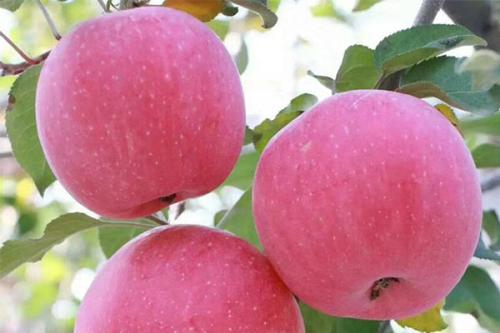
Apples turn into “golden fruit”: futures trading pushes apple prices higher. Before apple futures were listed, companies generally relied on subjective judgment for apple standard grading, and did not grade and price according to indicators such as sugar content, firmness and tolerance in the national apple standard. This easily resulted in apples from the same batch having differing quality and affected their overall value.
The outbreak of frost brought huge losses to fruit farmers, yet a group of people made a lot of money! What is your view on this?