How much is a jin of apples? An analysis of the reasons behind this year's apple price rise
Our country is one of the countries that produces the most apples in the world. Apples are one of the most common fruits in daily life, and their nutritional value is also relatively high, and they are loved by few consumers. In terms of price, it has always been around six or seven yuan per jin. But this year the price of apples has been rising all the way.
Now, in some supermarkets ordinary apples are sold for 12 yuan per jin, and this price has already doubled compared with the price in previous years. In the view of market insiders, the relationship between supply and demand is the main factor affecting the prices of agricultural products, causing the spot price of apples to rise.
At present, the price of apples is rising, and many people believe it is due to factors in the futures market. Without a good understanding of the operating mechanism of the futures market, they believe that the so-called “financial speculation with one hand, hoarding and cornering with the other” has affected the spot price of apples.
At the close on June 6, the 1907 contract, which represents the price of apples produced last year, was 14,048 yuan per ton, while the 1910 contract, which represents the price when the new season's apples are listed in large quantities this year, closed at 9,057 yuan per ton.
Crazy apples——reduced production is the main reason
Among everyday fruits, the price increase of apples is slightly larger. From the supply side, extreme weather occurred in the main apple-producing areas in 2018, and apple production decreased significantly. According to data statistics from Zhuochuang Information, as of May 23, the national apple inventory was 1.37 million tons, a year-on-year decrease of 46%, noticeably lower than the same period in previous years. There is also another influence: newly produced fruits such as watermelons have not yet been listed in large quantities, and the overall stock of fruit in the market is relatively small, so they have not been able to form a substitute for apples.
From the demand side, by summer the market's demand for fruit surges, driving an increase in apple consumption. But supply cannot keep up, so the rise in spot prices drives futures prices higher.
The price increase is not the fault of apple futures
As the spot price of apples heats up, futures prices are also rising. Recently, a voice has appeared in the market saying that one of the reasons for the rise in spot prices is futures speculation. In fact, it is exactly the opposite: apple futures not only did not raise spot prices due to speculation and other reasons, but instead played a relatively good role in stabilizing fluctuations in spot prices.
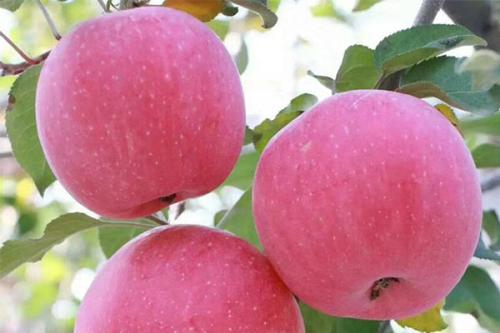
Apples turn into “golden fruit”: futures trading pushes up apple prices. Before apple futures were listed, companies generally relied on subjective judgment for apple standard grading, and did not carry out graded pricing based on indicators such as sugar content, hardness and tolerance in the national apple standard. This easily caused apples in the same batch to differ in quality, affecting their overall value.
The outbreak of frost brought huge losses to fruit farmers, but a group of people made a lot of money! What is your view on this?