How to fertilize tropical orchids? Different varieties need different methods
Introduction: Tropical orchids are epiphytic orchids from tropical and subtropical regions, and are today a popular high-end indoor ornamental flower worldwide. They have large, brightly colored flowers with unusual shapes, bloom for months, do not need soil cultivation, and do not need organic fertilizer (only a diluted chemical fertilizer solution sprayed on is enough). They are clean and hygienic, with many varieties (divided into 7 major categories totaling more than 500 varieties), and are suit
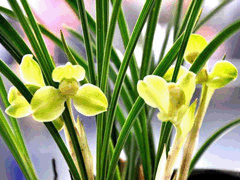 Tropical orchids are epiphytic orchids from tropical and subtropical regions, and are today a popular high-end indoor ornamental flower worldwide. They have large, brightly colored flowers with unusual shapes and bloom for months. They do not need soil cultivation and do not need organic fertilizer (only a diluted chemical fertilizer solution sprayed on is enough). They are clean and hygienic, with many varieties (divided into 7 major categories totaling more than 500 varieties), suitable for indoor growing, and both flowers and leaves have extremely high ornamental value. In recent years, tropical orchids have been introduced across China for cultivation and propagation to supply the market, and the market prospects for tropical orchids look very promising. Tropical orchid flowers come in many types, and fertilization differs for each. The fertilization techniques for tropical orchids are introduced below: Paphiopedilum Paphiopedilum needs relatively little fertilizer, and generally only needs fertilizing during the growing period. After new shoots sprout in the growing season, a dilute cake fertilizer solution can be applied once every 3-4 weeks, or a small amount of Huaxian granular flower fertilizer can be evenly applied around the pot, which is enough to make the leaves lush and the flowers bright. Fertilizing should stop during the dormant period so the plant can rest fully. Pendulous-flower Cymbidium Pendulous-flower Cymbidium can be fertilized using 3 methods: first, mix the fertilizer in proportion with the growing medium for its growth and development; second, dilute the prepared fertilizer into a solution and pour it into the growing medium in several applications; third, make the prepared fertilizer into solid granules or fertilizer blocks and place them on the pot surface. In seasons with ample sunlight, more fertilizer should be applied to meet the needs of vigorous orchid growth, while in dim, cold, or rainy weather, fertilizing should be reduced or stopped completely. Phalaenopsis Phalaenopsis needs relatively little fertilizer, and the principle of “light fertilizer, small amounts, frequent application” should generally be followed. The main points are as follows: spring and summer are the vigorous growth period, when a dilute solution mainly of nitrogen fertilizer can be applied once a week; autumn and winter are the flower stalk growth period, when a dilute liquid fertilizer mainly of phosphorus and potassium should be applied once every 10-14 days. A 0.5% calcium superphosphate aqueous solution can also be used; after buds appear, fertilizing should stop, otherwise the buds are prone to dropping early. Dendrobium Dendrobium likes fertilizer but needs light fertilizer applied frequently. During the seedling stage, a dilute fertilizer solution with relatively high nitrogen is suitable, with a concentration of 20%, applied once a week. After the seedling stage, the plant grows faster, and a dilute liquid fertilizer with relatively complete nitrogen, phosphorus, and potassium nutrients can be applied once every 2 weeks, with a concentration of 20%; when fertilizing, it must not splash onto the leaves. Large-flowered Cymbidium Large-flowered Cymbidium is the type among all orchids that likes fertilizer the most. During the vigorous growth period, a dilute fertilizer solution (cake fertilizer solution is also fine) should be applied once every two weeks, or solid granular fertilizer can be placed in the substrate at the edge of the pot in spring and summer to slowly release nutrients for long-term absorption by the root system. During the seedling stage and in low-temperature seasons, organic fertilizer should be applied less or not at all, and a nitrogen-phosphorus-potassium compound fertilizer with a ratio of 7:6:19 can be sprayed on the leaves, with very good results. Cattleya Only with proper and timely fertilization can Cattleya seedlings grow robustly and the flowers be brightly colored. The methods are as follows: 1. Light fertilizer is suitable. Its concentration is generally 50%-80% of flower fertilizer. Fertilizing can begin 1 week after new shoots emerge, and for small seedlings the principle of “small amounts, frequent application” should be followed. 2. During the growing period, a fully decomposed, extremely dilute cake fertilizer solution can be applied once every 10-15 days. When fertilizing, note that it must not be applied to the leaves or tender shoots. Alternatively, a few grains of fermented, extremely dilute cake fertilizer can be evenly placed around the pot each month for absorption. 3. For orchid plants that have reached flowering age, during the flower bud differentiation stage, somewhat more phosphorus and potassium fertilizer should be applied to nourish the roots and support flowering, improve photosynthetic efficiency, and promote tough leaves.
For more professional agricultural science and technology information, please scan the QR code to follow WeChat: NongXunNET

Please indicate the source when reprinting.