How to Identify Ylang-Ylang Essential Oil? A Detailed Explanation of the Effects of Ylang-Ylang Flowers and Cnidium Monnieri
The following methods can be used to test and identify ylang-ylang essential oil.
1. Variety: essential oils extracted from plants of the same genus but different species differ in chemical composition, such as true lavender, lavandin, spike lavender, and French lavender.
2. Origin: different places of origin have different climates and soil environments, so the aromatic plants grown there will differ, and the proportions of their essential oil components will vary.
3. In addition, cultivation method, harvest time, extraction part, and extraction method are also reasons for differences in essential oil composition. Most of the time, the differences in essential oils caused by these factors are not a matter of quality being better or worse, but of different therapeutic effects and different situations they target. For example, ylang-ylang can be divided into five grades by fractional distillation. The first grade has a higher price and a more intense aroma, but the third grade, because it contains 97% sesquiterpenes, is not inferior to the first grade in efficacy.
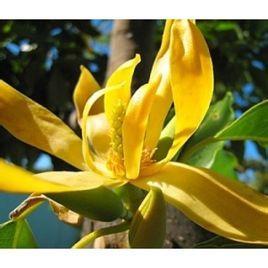
The Effects of Ylang-Ylang Flowers and Cnidium Monnieri
Ylang-ylang flowers provide multiple benefits for women, such as improvement of premenstrual syndrome, frigidity, and sexual dysfunction. Another well-known use is to help maintain the firmness and elasticity of the breasts. Cnidium monnieri can warm the kidney and strengthen yang; dry dampness and kill parasites; dispel wind and relieve itching. "Bielu" records: "It is because pungent can dry dampness, warm can dissipate cold, pungent can moisten the kidney, and sweet can tonify the spleen, so it can treat all diseases caused by deficiency, cold, and dampness in both women and men." Those with damp-heat in the lower jiao, or with insufficient kidney yin, easily stirred ministerial fire, and insecurity of the essence gate should avoid taking Cnidium monnieri. Medications all have certain contraindications, and when taking them one should consider interactions between drugs. It is not recommended to take them often, because drugs all have a certain toxicity.
Cnidium monnieri is warm in nature and pungent and bitter in taste, entering the kidney and spleen meridians. According to determinations, the fruit contains volatile oil, mainly pinene, camphene, isoborneol, bergapten, and angelic acid esters, etc., and has the effects of warming the kidney and assisting yang, dispelling wind, drying dampness, and killing parasites. It is used to treat conditions such as male impotence, damp and itchy scrotum, vaginal discharge and genital itching in women, cold uterus and infertility, rheumatic arthralgia, scabies, and damp sores. On the market, dried mature fruits of celery, a plant in the same family, are used to pass off as Cnidium monnieri, so pay attention to identification when using it.
Ylang-ylang fragrance is mainly obtained by steaming fresh petals to produce oil, called ylang-ylang oil. The oil yield from fresh flowers reaches 2-3%, and it has a unique, rich aromatic scent. It is a precious raw material for the fragrance industry and is widely used in perfumes, soaps, and cosmetics, etc. The "ylang-ylang" fragrance extracted from it is one of the world's most precious natural high-grade fragrances and high-grade fixatives today, so people call it the "world champion of fragrant flowers" and the "natural perfume tree", etc.