A Detailed Guide to Identifying and Using Vetiver Essential Oil
What methods can be used to test and identify vetiver essential oil?Let's take a look at the ways to use vetiver essential oil.
How to identify vetiver essential oil:
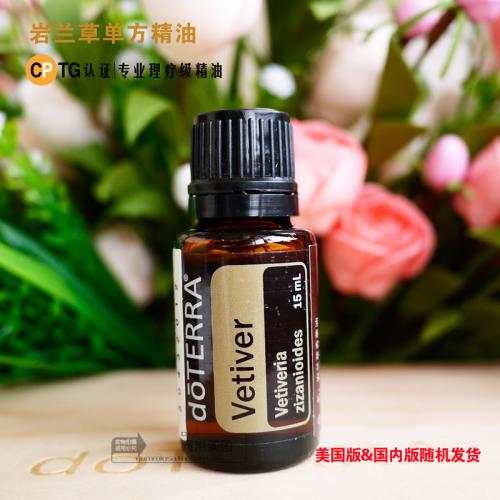
Scent: The scent of vetiver is very rich and hard to describe. It has a deep, heavy, earthy scent, somewhat similar to spikenard and patchouli, but when diluted it develops a strong lemon note. Diluted vetiver essential oil smells better, and it blends even better with other essential oils. The perfume industry often uses it as a fixative.
Color: Dark brown
How to use vetiver essential oil
1. Acne-prone skin: Apply directly to the affected acne areas.
2 drops vetiver essential oil + 1 milliliter grapeseed oil
2. Treating athlete's foot: Soak both feet; the effect is better if an appropriate amount of aromatherapy foot bath salt is added to the water.
5-10 drops vetiver essential oil, added to a basin of warm water
3. Enlarged pores and oily skin: Wash the face morning and evening, and apply a compress to the face; this can purify the skin.
1 drop vetiver essential oil, added to water
4. Acne-prone skin: Wipe on
50 milliliters aloe vera gel + 3 drops vetiver + 2 drops rose + 3 drops cypress
5. Bathing: Makes one feel refreshed, boosts immunity, and has a good anti-stress effect; strengthens red blood cells, with a good blood-circulation effect.
2 drops vetiver + 3 drops rosemary + 3 drops petitgrain
6. Calming emotions: Use in aromatherapy; it has a good effect on high stress, anxiety, insomnia and worry.
3 drops vetiver + 3 drops rosewood + 2 drops marjoram