If you don't pick the right flower pot, learning 100 flower-growing tips won't help you grow flowers well
What materials are flower pots made of?
Flower pots are generally divided by their production material into clay pots, ceramic pots, porcelain pots, stone pots, plastic pots, etc. Flower enthusiasts need to recognize their respective pros and cons in order to better match them with plants of different habits.
What flowers are clay pots suitable for?
Clay pot advantages: There are many pores on the pot wall, giving very good water and air permeability, which can accelerate the decomposition of nutrients in the potting soil, prevent root rot, and let roots grow more robustly. Moreover, clay pots are relatively lightweight, lower in price, and quite affordable.
Clay pot disadvantages: The color is monotone, the pot surface is rough, and it is not very attractive.
What flowers are clay pots suitable for growing?
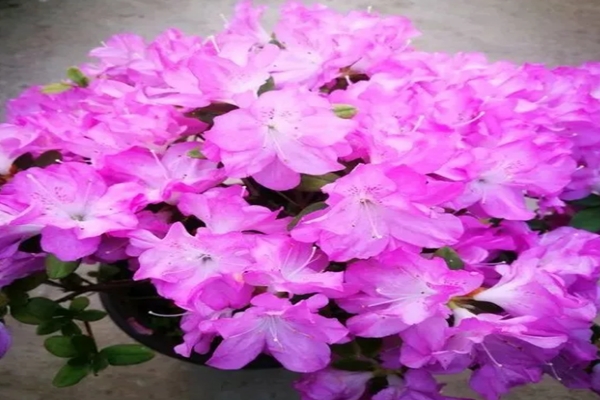
Clay pots are suitable for growing all flowers, such as succulents, pothos, azaleas, etc. If you don't know what flower pot to choose, choosing a clay pot is definitely not wrong.
What flowers are ceramic pots suitable for?
Ceramic pot advantages: The pot surface has relatively rich colors and is fairly attractive.
Ceramic pot disadvantages: Compared with clay pots, the surface has an extra layer of glaze, so water and air permeability are slightly worse than clay pots, and they are slightly more expensive than clay pots.
What flowers are ceramic pots suitable for?
Ceramic pots are suitable for growing flowers with relatively high requirements for water and air permeability, such as pothos, orchids, kalanchoe, and other flowers that are very afraid of root rot.
What flowers are porcelain pots suitable for?
Porcelain pot advantages: Brilliantly colored, very beautiful, and highly decorative.
Porcelain pot disadvantages: Poor water and air permeability.
What flowers are porcelain pots suitable for?
Porcelain pots can be used to grow flowers that are very tolerant of moisture, such as coin grass, selaginella, maidenhair fern, and other flowers. You can also slip a beautifully made porcelain pot over the outside of a clay pot for more ornamental value. Note that there should be a certain gap between the porcelain pot and the clay pot so that water and air permeability are not affected.
What flowers are stone pots suitable for?
Stone pot advantages: Most are shallow-mouthed pots with good shapes, and they match flowers and plants more naturally. The trace minerals they contain can be absorbed by the flowers, which is beneficial to the growth of the flowers.
Stone pot disadvantages: Poor water and air permeability, relatively bulky, and expensive.
What flowers are stone pots suitable for?
Stone pots are suitable for growing hydroponic flowers, such as hydroponic lucky bamboo, hydroponic coin grass, etc. They are also fairly suitable for growing moisture-loving flowers, such as maidenhair fern.
What flowers are plastic pots suitable for?
Plastic pot advantages: Not easy to break, relatively cheap, and available in diverse colors.
Plastic pot disadvantages: Poor drainage and air permeability, and over time they easily age and deform.
What flowers are plastic pots suitable for?
Plastic pots are suitable for growing moisture-loving flowers, such as calla lily, narcissus, monstera, and other flowers.
The method for choosing flower pots,
Huahua will introduce it here for now,
Flower enthusiasts, hurry and share it with your friends!