Ylang-Ylang Benefits and Uses, and Precautions for Using Ylang-Ylang Essential Oil
Precautions for Ylang-Ylang Essential Oil
1. Do not frequently use it at too high a dosage. To achieve therapeutic effects, a low dosage is usually required, continued over a period of time; this gives the best results for regulating body functions. For regular use, a concentration of 35% is appropriate; for more dangerous essential oils, do not exceed 3%.
2. Do not use photosensitizing essential oils on areas exposed to the sun. Some essential oils contain ingredients that cause photosensitivity; if the skin is exposed to the sun after use, it will darken and may even lead to skin cancer. Photosensitivity also varies in severity; mild ones such as grapefruit can be used at a low dosage at night, and exposure to the sun the next day is fine. But citrus essential oils such as lemon, bergamot, mandarin, sweet orange, lime, angelica root, lemon verbena and coriander are all photosensitizing essential oils. Essential oils are extremely concentrated, so they must not come into contact with the eyes.
They irritate extremely sensitive skin; it is best not to use them on inflammation and eczema. Use at a low dosage; too high a dosage easily causes dizziness and nausea. Both hot and cold compresses can be used, and they can also be added to floral water, face cream or face masks, or used under the guidance of an aromatherapist. Do not use on inflamed skin, and do not use if you have neurasthenia.
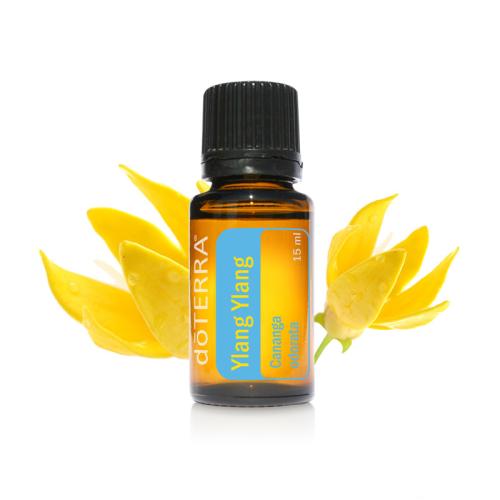
Benefits and Uses of Ylang-Ylang
It relaxes the nervous system and makes people feel joyful. It can relieve feelings of anger, anxiety and panic. It has an aphrodisiac effect and can improve frigidity and impotence. Suitable for dry and oily skin.